
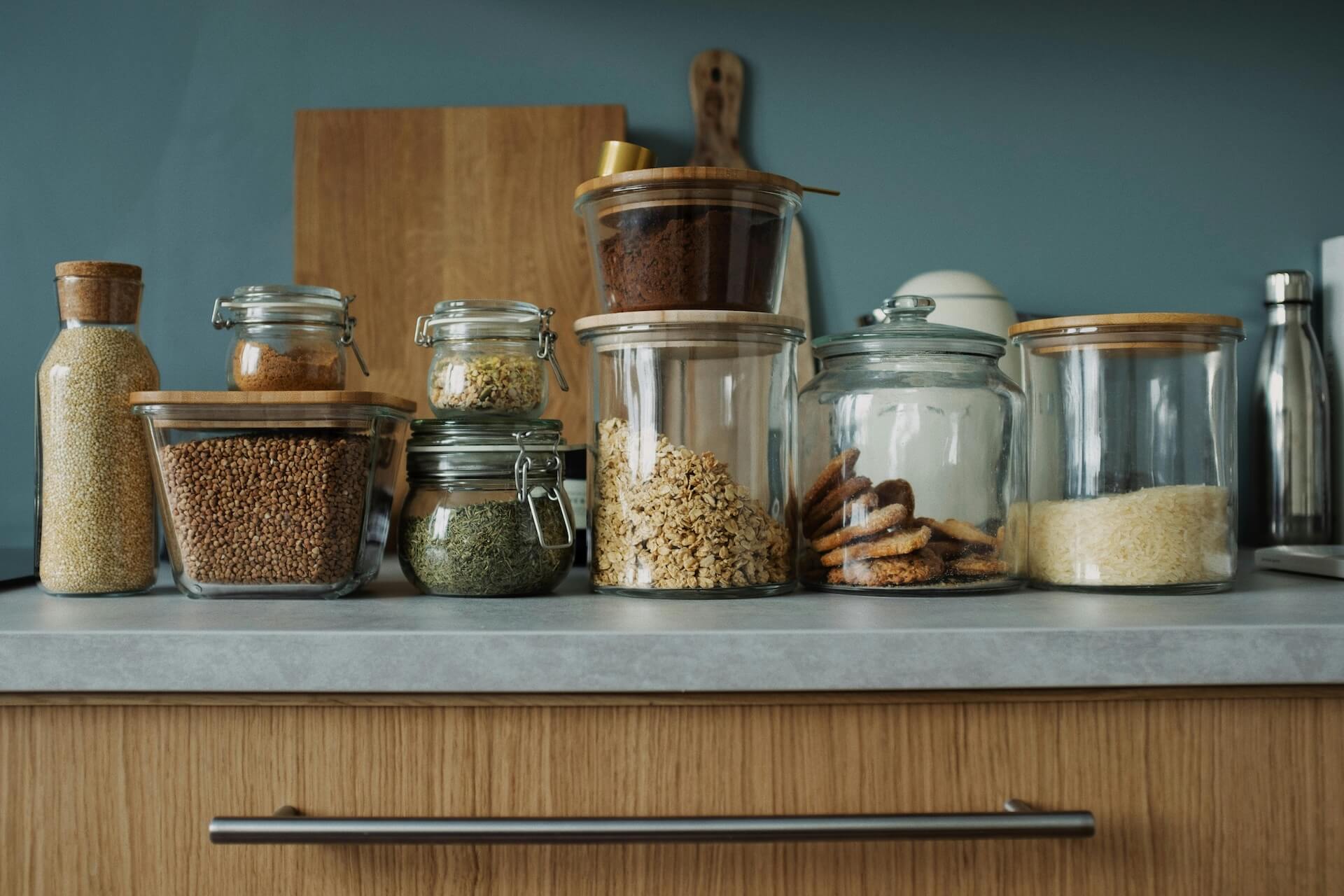
7 Best Food Grade Storage Bags For Dry Ingredients
Safeguard your dry ingredients with the 7 best food grade storage bags. Find durable, safe options and buy now for freshness!
Opening a pantry cabinet to find a box of flour spilled or a bag of rice compromised by moisture is a frustration every homeowner knows well. Proper food storage is the silent backbone of an efficient kitchen, protecting investments and preventing the headache of unwanted pests. Choosing the right bags requires balancing shelf space, the frequency of use, and the specific moisture-sensitivity of the dry goods being stored.
Ziploc Freezer Gallon Bags: Best for Bulk Pantry Goods
When purchasing large bags of flour, sugar, or oats from warehouse clubs, transferring them into smaller, manageable portions is essential for kitchen workflow. Ziploc freezer bags offer a thicker plastic construction than standard sandwich bags, which prevents accidental tears when pulling them from a crowded shelf.
Their wide opening makes pouring dry ingredients easy, minimizing the mess that often occurs with rigid canisters. Because they are transparent, checking inventory levels takes only a quick glance, helping to prevent unnecessary duplicate purchases.
While these bags lack the absolute airtight seal of a vacuum system, they are perfectly adequate for ingredients expected to be used within a few months. For the average family household, the combination of low cost and reliable zipper closures makes them the gold standard for daily pantry rotation.
FoodSaver Bags: Best for Long-Term Freshness
For ingredients used infrequently, such as specialty grains, dried beans, or seasonal spices, oxygen exposure is the primary enemy of flavor and longevity. FoodSaver bags, when paired with a vacuum sealer, remove air entirely to create a shrink-wrapped environment that prevents oxidation and staving off staleness.
This method is particularly effective for those living in humid climates where moisture can quickly ruin powdered goods. By removing the air, you also reduce the physical footprint of the ingredient, allowing for tighter stacking in limited pantry or freezer spaces.
While the upfront cost of a sealer and specialty bags is higher, the ROI is found in the reduction of food waste. These bags are the ideal solution for protecting bulk purchases that sit on the shelf for half a year or longer.
Mylar Bags with Oxygen Absorbers: Best for Prepping
Homeowners looking to stock a deep pantry for long-term emergencies rely on Mylar bags because they provide a near-impenetrable barrier against light, moisture, and oxygen. These silver-lined bags are significantly more durable than standard plastic, making them the industry standard for long-term food preservation.
When paired with an oxygen absorber, these bags essentially stop the biological clock of dry goods like wheat berries, rice, and dried legumes. Because the material is opaque, it protects nutrients that might otherwise break down when exposed to ambient light in a garage or basement storage area.
It is important to note that Mylar is not transparent, meaning an external labeling system is mandatory. For preppers or those who buy significant quantities of food a year in advance, this is the most reliable way to guarantee quality over a long duration.
Re-Zip Reusable Bags: Best Eco-Friendly Pick
If the goal is to reduce single-use plastic waste while maintaining kitchen organization, reusable silicone or reinforced PEVA bags offer a sturdy alternative. These bags feature heavy-duty seals that are designed to be washed and reused dozens of times, making them a staple for the environmentally conscious household.
They are particularly useful for dry snacks like crackers, pretzels, or nuts, as the rigid sides provide more structure than a standard thin plastic bag. Because they are thicker, they hold their shape well, making them easy to fill and clean in a busy kitchen.
While the initial cost is higher than a box of disposable bags, their durability over time balances the budget. They are an excellent choice for items you access daily, though they may not be the most cost-effective solution for long-term, deep-storage needs.
Smelly Proof Storage Bags: Best for Containing Odors
Certain dry ingredients, such as dried herbs, spices with high oil content, or pungent items like cocoa powder, can permeate other foods or leave a lingering scent in the pantry. Smelly Proof bags are specifically engineered with heavy-duty, odor-trapping technology to keep your cabinet smelling neutral.
The double-seal mechanism is significantly stronger than a typical grocery store zipper bag, ensuring that nothing leaks out and nothing leaks in. This is a game-changer for small apartments where pantry space is shared with other household storage or where ventilation is limited.
These bags are typically more expensive and geared toward niche storage needs, so they are best used sparingly. Reserve them for your most aromatic ingredients to maintain a clean-smelling, organized cupboard.
Glad Storage Zipper Bags: Best Everyday Value Option
For common kitchen tasks—like storing a half-used bag of chocolate chips or a portion of crackers—the humble Glad storage bag provides reliable performance at a fraction of the cost. These bags are designed for convenience rather than long-term preservation, making them perfect for items that will be finished within a few weeks.
Their ease of use ensures that even the busiest family members can reseal a package correctly, which is vital for keeping pests out. The zipper closure provides a tactile “click” that offers peace of mind that the bag is properly shut.
While these bags lack the heavy-duty thickness of freezer-grade options, they excel in price-per-bag value. Keep a box of these on hand for high-turnover items to keep the pantry tidy without overspending.
ClearBags Stand-Up Pouches: Best for Easy Access
Stand-up pouches, often used for commercial goods, are an underrated hero for the home pantry because they utilize vertical space more effectively than floppy bags. The gusseted bottom allows them to sit upright on a shelf like a jar, making it simple to scoop out ingredients with a measuring cup.
Many of these bags come with a zip-lock closure and a tear-notch for the initial opening, providing a professional look that keeps shelves looking uniform. They are especially helpful for organizing bulk goods like seeds, grains, or dried fruits in smaller cabinets.
When purchasing, look for food-grade pouches with a high-barrier film to ensure they provide adequate protection. These are a great way to bring order to messy, mismatched original packaging.
Understanding Bag Thickness (Mil) for Durability
When selecting bags, the term “mil” refers to the thickness of the plastic, with one mil equaling 1/1000th of an inch. A higher mil count indicates a thicker, more puncture-resistant bag that is better suited for heavy or sharp-edged dry ingredients like dried pasta or nuts.
- 1–2 Mil: Best for light, everyday items like bread, cookies, or small snacks.
- 3–4 Mil: Ideal for standard pantry storage of flour, sugar, and grains.
- 5+ Mil: Necessary for long-term storage or items with sharp edges that could pierce standard plastic.
Always check the packaging for the mil rating if you are planning to store heavy or bulky items. Choosing an appropriately thick bag prevents the frustration of split seams and spilled ingredients.
How to Properly Seal Bags for Maximum Freshness
Even the most expensive bag will fail if the seal is compromised by trapped air or debris. Before closing any bag, use your hands to gently push out as much air as possible to slow the oxidation process.
If using a zipper bag, run your fingers firmly along the track from one end to the other to ensure the seal is locked tight. For vacuum-sealed bags, ensure the rim is clean and free of fine powders like flour or spices, as even a few grains can prevent an airtight seal from forming.
If you find it difficult to get a tight seal, a quick wipe with a clean, dry cloth is usually all it takes to clear the tracks. Following these simple steps ensures you get the full protective benefit of the storage solution you have chosen.
Labeling & Organizing Your Bags in the Pantry
An organized pantry is only useful if you can identify your ingredients at a glance. Always use a permanent marker or a label maker to note the contents and the date of purchase on every bag.
If the bag material is difficult to write on, use masking tape or painter’s tape to create a surface for your label. This simple habit allows you to practice “first-in, first-out” inventory rotation, ensuring that older ingredients are consumed before newer ones.
Store bags in bins or baskets if your shelves are deep, which prevents them from getting lost in the back. By treating your pantry like a small inventory system, you will save both time and money on every grocery trip.
Effective pantry storage is not about finding the perfect, high-tech solution, but about finding the right tool for the specific job at hand. By understanding the tradeoffs between cost, durability, and convenience, you can create a kitchen environment that works for your household’s unique rhythm. Start by auditing your most-used ingredients and selecting bags that match their shelf life, and the result will be a more organized, efficient home.


