
7 Best Vehicle Logs for Tracking Oil Change Intervals
Track oil change intervals effectively! Discover the 7 best vehicle logs to keep your car running smoothly. Get organized today!
Missing a routine oil change is the silent engine killer that turns a manageable maintenance task into a costly repair bill. Relying on memory or fading window stickers often leads to missed intervals, especially in busy households managing multiple commutes and errands. A physical vehicle log provides a permanent, reliable safety net that keeps your car running smoothly for years longer than the alternative.
Adams Vehicle Mileage Log: Best No-Frills Tracker
For the driver who wants a simple, immediate solution without the clutter of extra columns, the Adams log is the gold standard. It is small enough to fit into any glove box or side door pocket, making it accessible the moment the hood is popped.
The layout is refreshingly sparse, focusing exclusively on date, mileage, and service description. This is perfect for those who do not want to track every penny spent on gas or incidentals, but simply want a foolproof way to remember when the next filter change is due.
Because it lacks extra frills, the price point is extremely low, making it an easy addition to any household budget. The bottom line: if the goal is purely to track mechanical intervals without distractions, this is the most efficient tool available.
The Glove Box Book: Easiest for Quick Notetaking
When the morning routine is hectic and a quick stop at the service station is all that time allows, complex logs often go ignored. The Glove Box Book is designed specifically for those moments, featuring an intuitive layout that encourages instant entries.
The design relies on large, legible fields that are easy to fill out even in low-light conditions or while parked in a crowded lot. It avoids the tiny grids that can frustrate those who prefer clear, bold handwriting.
This is an excellent choice for a household with teen drivers who need a simple, structured way to learn the discipline of vehicle maintenance. Its simplicity ensures that the habit of logging services sticks because it never feels like a chore.
Blueline Vehicle Log Book: Best for Detailed Records
For the homeowner who manages both personal vehicles and a small home business, the Blueline log offers a superior level of organizational depth. It provides dedicated space for tracking expenses, tax-related deductions, and fuel efficiency alongside standard maintenance.
The paper quality is typically higher than standard notebooks, allowing for years of heavy use without the binding failing or the pages yellowing prematurely. The layout allows for a side-by-side view of service history and operating costs, which is invaluable for long-term budget planning.
While it occupies more space in the console than a basic notepad, the trade-off is a complete financial and mechanical profile of the vehicle. It is the ideal choice for those who treat their vehicle maintenance as a serious household investment.
Redi-Tag Log Book: Most Durable for Daily Drivers
Daily drivers face constant temperature fluctuations inside a car, ranging from freezing winter nights to scorching summer afternoons in the driveway. The Redi-Tag log is built to survive these extremes, featuring a durable cover that protects the internal records from humidity and minor spills.
The pages are securely bound, meaning there is no risk of losing important maintenance receipts or notes over time. This makes it a reliable companion for a family car that sees high mileage and constant use, where the interior experience is often less than gentle.
If the vehicle serves as a primary mode of transport for errands, school runs, and road trips, the ruggedness of the Redi-Tag is worth the slight investment. It ensures that critical maintenance data remains intact regardless of how many passengers share the vehicle.
Peter Pauper Press Log: Best for Multiple Vehicles
Managing the maintenance schedule for a two-car garage requires a log that is organized and capable of handling split data points. The Peter Pauper Press log is structured to accommodate multiple vehicles, making it easy to keep the history of a sedan and a truck in one convenient location.
This log excels in its clear labeling, which prevents the accidental logging of one vehicle’s service under another’s history. It is a clean, classic option that fits perfectly into a home office desk drawer or a kitchen organizer for easy access.
For families who keep their maintenance records centrally located inside the home rather than in the vehicle, this is a top-tier choice. It allows a single household manager to oversee the health of the entire fleet from one consistent, reliable source.
Tuttle Auto Log Book: The Most Comprehensive Option
The Tuttle Auto Log Book is designed for the owner who wants to capture every single aspect of their vehicle’s life cycle. Beyond simple oil change tracking, it includes sections for tire rotations, brake work, battery replacements, and even insurance contact information.
Having this depth of information available in one place is a massive advantage when it comes time to sell or trade in a vehicle. A documented service history often increases the resale value, as it proves to future buyers that the car was treated with consistent, professional care.
While it is the most detailed option, the organization remains logical, meaning the user is never overwhelmed by the sheer volume of fields. It represents the best value for those who believe that meticulous documentation is the key to vehicle longevity.
USA Fleet Supply Log: Built Tough for Work Trucks
For homeowners using a truck for light contracting, landscaping, or heavy hauling, the USA Fleet Supply log is the most practical tool. It is engineered with the rigors of heavy-duty use in mind, featuring thick, tear-resistant paper and a heavy-gauge cover.
The formatting is optimized for tracking high-frequency maintenance that comes with a harder-working engine, such as cooling system checks and transmission fluid changes. It is clearly built to withstand being handled with greasy hands or stored in a toolbox.
Even for non-professional drivers, this log offers a sense of security and durability that standard consumer-grade notebooks cannot match. If the vehicle is essential for daily work or heavy-duty household tasks, the rugged construction is an essential, not a luxury.
What to Record Besides Your Regular Oil Changes
While oil changes are the heartbeat of vehicle maintenance, they are only one part of a healthy machine. Every log should also include data on tire pressure checks and rotations, which prevent uneven wear and improve fuel efficiency.
Always track replacement dates for items like cabin air filters, wiper blades, and engine air filters. These small, inexpensive components are often forgotten until they fail, but tracking them ensures they are replaced before they affect performance.
Record any significant repairs or non-routine service, including the shop name and the date of service. Having this history helps identify recurring issues, allowing a mechanic to diagnose problems much faster than if they are starting from a blank slate.
Why a Simple Paper Logbook Is Still Your Best Bet
Despite the rise of digital apps and smartphone reminders, paper logbooks remain the most reliable method for long-term record-keeping. Digital systems often require subscriptions, software updates, or cloud syncs, all of which can fail or become obsolete over the years.
A paper book never runs out of battery, does not require a password, and is instantly accessible to anyone driving the vehicle. It provides a tactile connection to the maintenance schedule that makes the task feel more tangible and important.
Furthermore, a physical log serves as a permanent record that stays with the car. When the time comes to pass the vehicle on to a new owner, the physical log is a powerful, credible testament to the care taken during the ownership period.
Where to Store Your Log for Easy, Consistent Use
The best logbook is useless if it is never accessible when the work is actually being performed. For many, the glove box is the natural home, but it can become crowded with insurance cards and manuals.
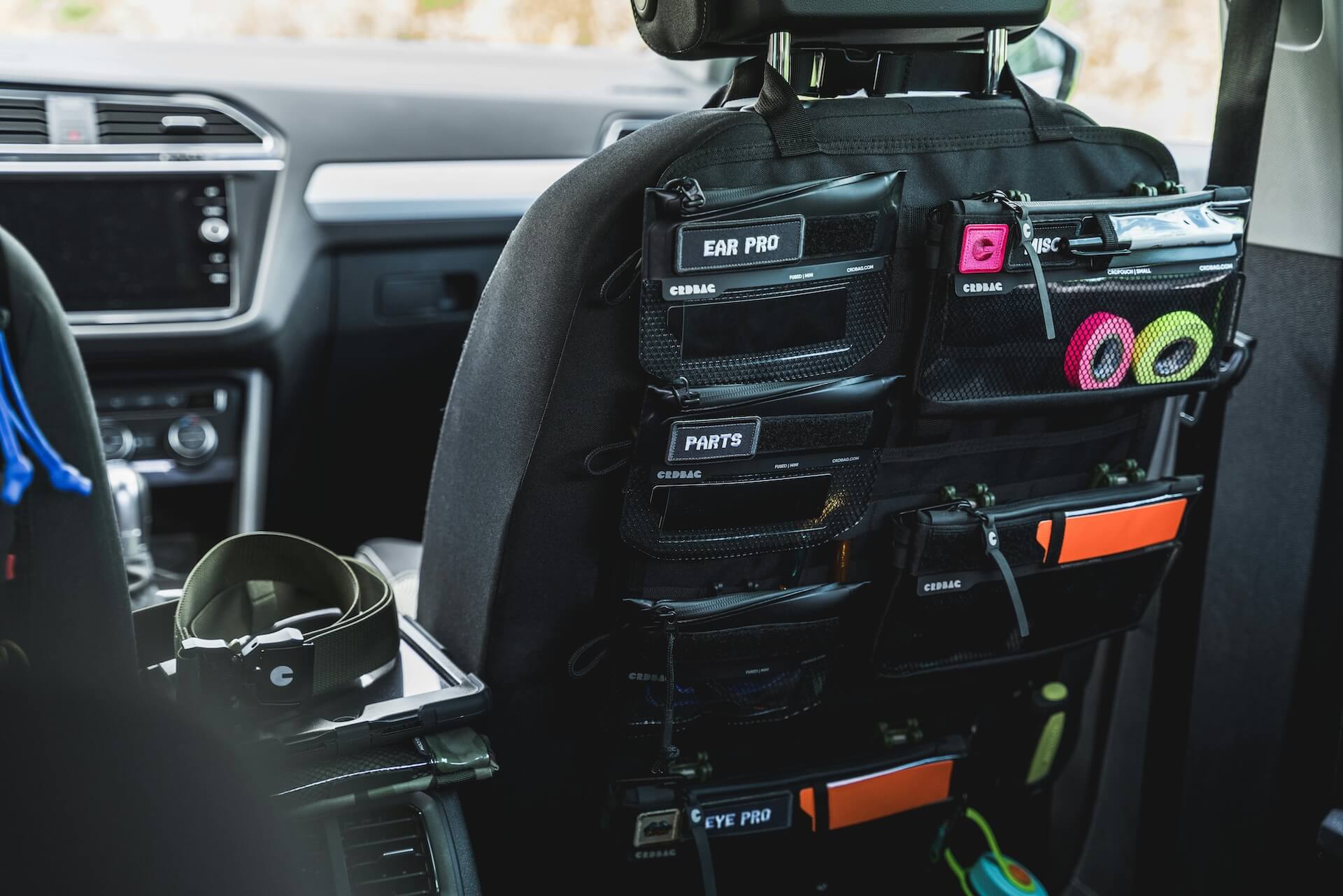
Consider using a dedicated small pouch or a document folio that clips to the sun visor or slides into the seat-back pocket. This keeps the log separate from the clutter of registration and insurance documents, ensuring it stays clean and easy to find.
If the vehicle is parked in a garage, a wall-mounted clipboard near the driver’s side door is an excellent alternative. Wherever it is kept, the golden rule is that the log must never leave the vehicle, so the record is always updated at the moment the service concludes.
Maintaining a clear, written record of vehicle service is one of the most effective ways to protect a significant household asset. Whether a simple notepad or a comprehensive ledger fits your routine, prioritizing consistency over perfection will keep your car reliable for years to come. Start the habit today, and you will save both time and money at the mechanic’s bay for the life of the vehicle.
