
7 Best Desktop Computers For Creative Software
Find your perfect desktop PC for creative software. Discover the top 7 machines for design, video, and more. Explore now!
Whether setting up a dedicated corner for digital scrapbooking or managing a home office that handles high-resolution photography, selecting the right computer is a foundational step in your creative journey. The right machine removes the friction between a vision and its execution, ensuring software runs smoothly without constant freezes. This guide helps match specific household needs with the hardware that delivers the most value for long-term reliability.
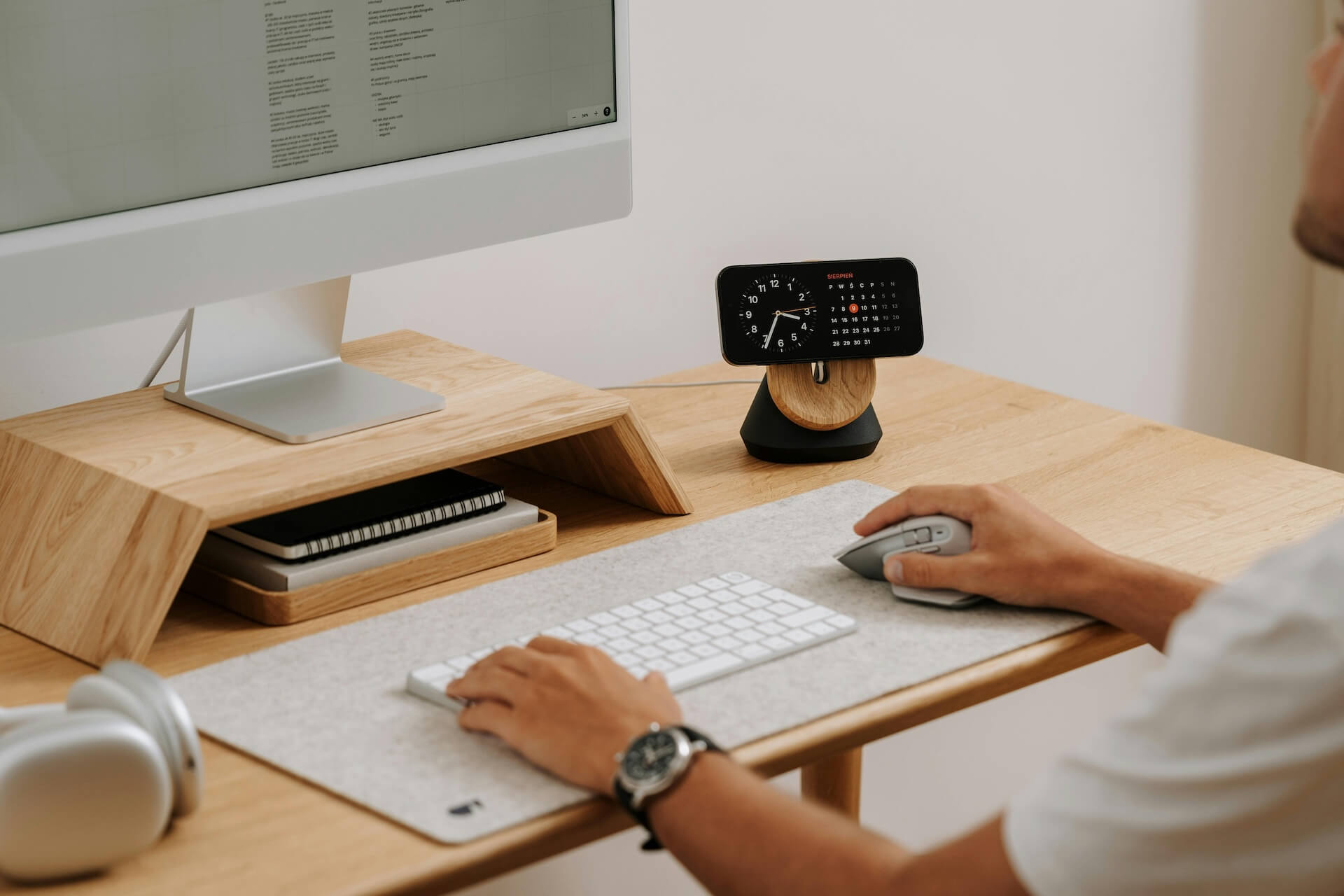
Apple iMac 24-inch: Best All-in-One for Photos
For households where desk space is at a premium—such as a small study or a shared corner of a bedroom—the iMac 24-inch excels by eliminating cable clutter. Its integrated design houses everything inside a thin screen, making it ideal for maintaining a tidy, minimalist aesthetic in any living room.
The brilliant color accuracy of the screen serves photographers who need to edit family albums or professional portraits with precision. Because the speakers and camera are built-in, there is no need to purchase extra peripherals, saving both money and counter space.
The primary tradeoff is the inability to upgrade hardware later; once the machine is purchased, the specifications are fixed. For those who view computers as long-term appliances that stay on the desk for five to seven years, this is a polished, reliable solution.
Dell XPS Desktop: Power for Serious Video Editing
When video editing for school projects, vlogs, or community events becomes a regular routine, processing power becomes the priority over aesthetics. The Dell XPS Desktop provides the expandability required to handle heavy software loads, offering enough internal room to upgrade components as the need arises.
Its tower design allows for better cooling and airflow, which is critical when a computer is running intensive rendering tasks for hours on end. This machine is a workhorse, designed to sit under a desk and perform reliably regardless of the complexity of the project.
While it lacks the compact charm of an all-in-one, it offers superior value for the money by allowing users to replace just the parts that slow down over time. It is the practical choice for a household that wants a machine capable of growing with its creative ambitions.
HP Envy Desktop: A Great All-Around Family PC
The HP Envy balances sophisticated style with the versatility needed for a household where one person might be editing photos while another handles standard office tasks. It features a modern, clean design that fits comfortably in a common area without looking like an industrial piece of equipment.
Reliability is the hallmark of the Envy series, providing a stable environment for creative suites like Adobe Lightroom or Canva. It offers enough ports to easily connect printers, external storage drives, and digitizing tablets, making it the central hub for home creative activities.
Because it falls in the mid-range price bracket, it avoids the premium costs of high-end specialized hardware while delivering more than enough power for non-professional creative work. It is the goldilocks option for families seeking a balance between performance and household budget.
Apple Mac Mini: Compact Power for Your Current Setup
If a perfectly functional monitor, keyboard, and mouse already occupy the desk, the Mac Mini serves as a smart, economical upgrade. By only replacing the computer tower, you reduce electronic waste and keep the familiar peripherals you already know how to use.
This tiny, square device occupies less footprint than a hardcover book, making it the ultimate solution for cramped apartment living or narrow home offices. Despite its small stature, it packs enough punch to handle graphic design and video editing software without breaking a sweat.
The main consideration is remembering to factor in the cost of cables or adapters if current peripherals use older connection standards. For the homeowner who likes to keep their desk footprint small but demands high-speed creative performance, it is an unbeatable choice.
HP Pavilion Desktop: A Reliable, Budget-Friendly Start
New creative hobbies, such as learning digital illustration or video production, rarely require a professional-grade workstation on day one. The HP Pavilion provides a gentle entry point, offering modern processing speeds at a price that leaves room for software subscriptions and online classes.
Its tower chassis is easy to access, meaning maintenance like cleaning out dust or upgrading the memory is a straightforward task even for those not comfortable with complex tech. It handles standard creative software efficiently and provides a stable, no-nonsense platform for daily use.
While the casing is not as premium or sleek as higher-end models, the performance-per-dollar ratio is exceptional. It represents a practical, low-risk investment for households looking to explore new digital skills without a large upfront commitment.
Dell Inspiron All-in-One: For Family Photo Projects
Managing the thousands of digital memories collected over a decade requires a machine that is accessible and intuitive. The Dell Inspiron All-in-One acts as a user-friendly family station, perfect for sorting, organizing, and touching up photos during a rainy afternoon.
The touch-screen interface can make photo organization feel more tactile and engaging, especially for younger household members getting involved in digital storytelling. Its simplified setup is designed for the person who wants to sit down and get to work immediately rather than spending time configuring hardware.
While not intended for high-end professional video editing, it is a sturdy, reliable companion for general creative tasks and everyday computing. It brings the convenience of a tablet-style interface to the desktop world.
Acer Aspire TC: The Most Affordable Creative Option
When the budget is strictly set but the need for a creative PC is non-negotiable, the Acer Aspire TC offers the most direct solution. This desktop prioritizes raw functionality, stripping away unnecessary frills to keep the price accessible for tight household budgets.
It provides a decent amount of storage capacity, which is essential for creative work that involves saving large project files and image libraries. If you are a student or a beginner who needs a machine that simply works, this is the most utilitarian choice on the list.
The tradeoff here is in the build materials and secondary components, which feel more functional than premium. If you prioritize utility and low cost over style, the Acer Aspire TC is a dependable workhorse that leaves more room in the budget for creative tools and software.
All-in-One vs. Tower: Which Fits Your Home Best?
Deciding between an all-in-one and a traditional tower is a choice based on your specific spatial constraints and future-proofing goals. Use this breakdown to see which fits your home:
- Choose an All-in-One if: You have limited desk surface, prefer a clutter-free environment, and value a unified design that looks good in a main living space.
- Choose a Tower if: You need high-end performance for long video renders, want the ability to upgrade specific parts over time, and have space under or beside your desk.
Remember that towers usually require more cable management, while all-in-ones rely on a single power cord. Evaluate the layout of your current office to see which configuration prevents the dreaded “cord nest” behind the desk.
Understanding Specs Without Getting Too Technical
When shopping, it is easy to get overwhelmed by numbers, but focusing on three key areas will suffice for most creative software. First, look at the Processor (CPU); aim for a modern multi-core chip, as this determines how quickly the computer executes commands.
Second, consider the RAM; 16GB is the current “sweet spot” for smooth creative work, while 8GB is the bare minimum for light tasks. Third, look for SSD storage over traditional spinning hard drives, as an SSD makes the computer boot up and open programs almost instantly.
- Processor: Think of this as the brain—faster is better for rendering.
- RAM: Think of this as the desk surface—more space allows you to keep more files open simultaneously.
- Storage: Think of this as the filing cabinet—SSD is significantly faster and more durable than older HDD technology.
Mac vs. PC: What Matters for Your Creative Habits
Choosing between Mac and PC is often less about which is “better” and more about which ecosystem fits your existing household habits. If your household already uses iPhones or iPads, the integration features of a Mac—such as transferring photos or messages instantly—provide a seamless experience.
Windows-based PCs offer more variety in hardware price points and physical styles, making them easier to tailor to a specific budget or desk setup. Most creative software, like the Adobe Creative Cloud suite, runs identically on both systems, so the actual creative output will not change.
Ultimately, the best choice is the one you are most comfortable using daily. Prioritize the platform that offers the smoothest workflow for the specific tasks you do most often, whether that is organizing photos or editing video.
The ideal computer for your creative work is one that stays out of your way and allows you to focus on the project at hand. Focus on matching the machine to your space and your long-term goals rather than searching for the absolute highest specifications. By choosing a system that balances your budget with your daily routine, you ensure a reliable creative foundation for years to come.

