
7 Best Oxygen Absorbers For Food Preservation That Last
Preserve food longer with our 7 best oxygen absorbers. Discover top picks for lasting freshness. Shop now!
Managing a pantry inventory often feels like a race against the clock, especially when dry goods like rice, flour, and beans begin to lose their quality. Oxygen absorbers serve as the silent sentinels of food storage, effectively halting oxidation and keeping bulk purchases tasting fresh for years. Investing in the right size and type ensures that every bag of grain remains a viable resource for the household budget.
Oxi-Sorb 300cc: The All-Around Workhorse Pick
For the average household balancing weekly grocery hauls with occasional bulk buying, the 300cc size hits the “Goldilocks” zone. These packets provide enough scavenging power for standard one-gallon Mylar bags or medium-sized storage bins without overwhelming the container.
Reliability remains the primary draw here, as these absorbers are engineered to work consistently across varied climates and humidity levels. Because they occupy a middle ground in capacity, they prevent the waste that occurs when choosing a packet too small for the job.
Opt for the Oxi-Sorb 300cc when the pantry contains a mix of grains, legumes, and dehydrated vegetables. It stands as the most versatile choice for homeowners who want a singular, dependable solution that fits 90% of standard storage tasks.
Harvest Right 100cc: Sized for Small Batches
Not every preservation project involves a massive industrial-sized barrel or heavy-duty tote. When storing smaller quantities—like dried herbs, spices, or single-meal portions—a smaller absorber is necessary to maintain the proper environment without wasting potency.
The Harvest Right 100cc units are designed specifically for these smaller footprints, such as quart-sized jars or smaller Mylar pouches. They are perfect for apartment dwellers or those with limited kitchen space who prefer buying in smaller, manageable increments.
Using a massive absorber in a small space can sometimes cause the container to collapse inward too aggressively due to the vacuum effect. Rely on these 100cc packets to keep small-batch items shelf-stable without compromising the integrity of the bag or jar.
OxyFree 500cc: For Your Largest Storage Jobs
Large-scale preservation projects, such as storing 25-pound bags of wheat berries or bulk sugar, demand a higher scavenging capacity. A 500cc packet ensures that the oxygen levels inside the large vessel drop quickly and stay low throughout the extended shelf life of the product.
These packets are the heavy hitters of the pantry, intended for five-gallon buckets or extra-large Mylar liners. They provide the peace of mind necessary for long-term food security, where the consequence of a failed seal is a lost investment.
Remember that these are not for everyday pantry staples that are accessed weekly. Reserve the OxyFree 500cc units for deep-storage items that remain tucked away in a basement or garage closet for months or years at a time.
Wallaby Goods 300cc: Best Kit with Mylar Bags
Consistency is the biggest challenge in food storage, and Wallaby Goods simplifies the process by bundling their absorbers with high-quality Mylar bags. This eliminates the guesswork of matching the right bag thickness to the absorber‘s strength.
This option works exceptionally well for homeowners who are just starting their storage journey and want a standardized system. The bags provided in these kits are usually puncture-resistant and feature effective seals, which are just as critical as the oxygen absorber itself.
Investing in a kit helps avoid the frustration of ordering incompatible sizes separately. For those who value a streamlined, all-in-one approach to organizing their pantry, this brand represents the most efficient path forward.
PackFreshUSA 100cc: Top Choice for Quart Jars
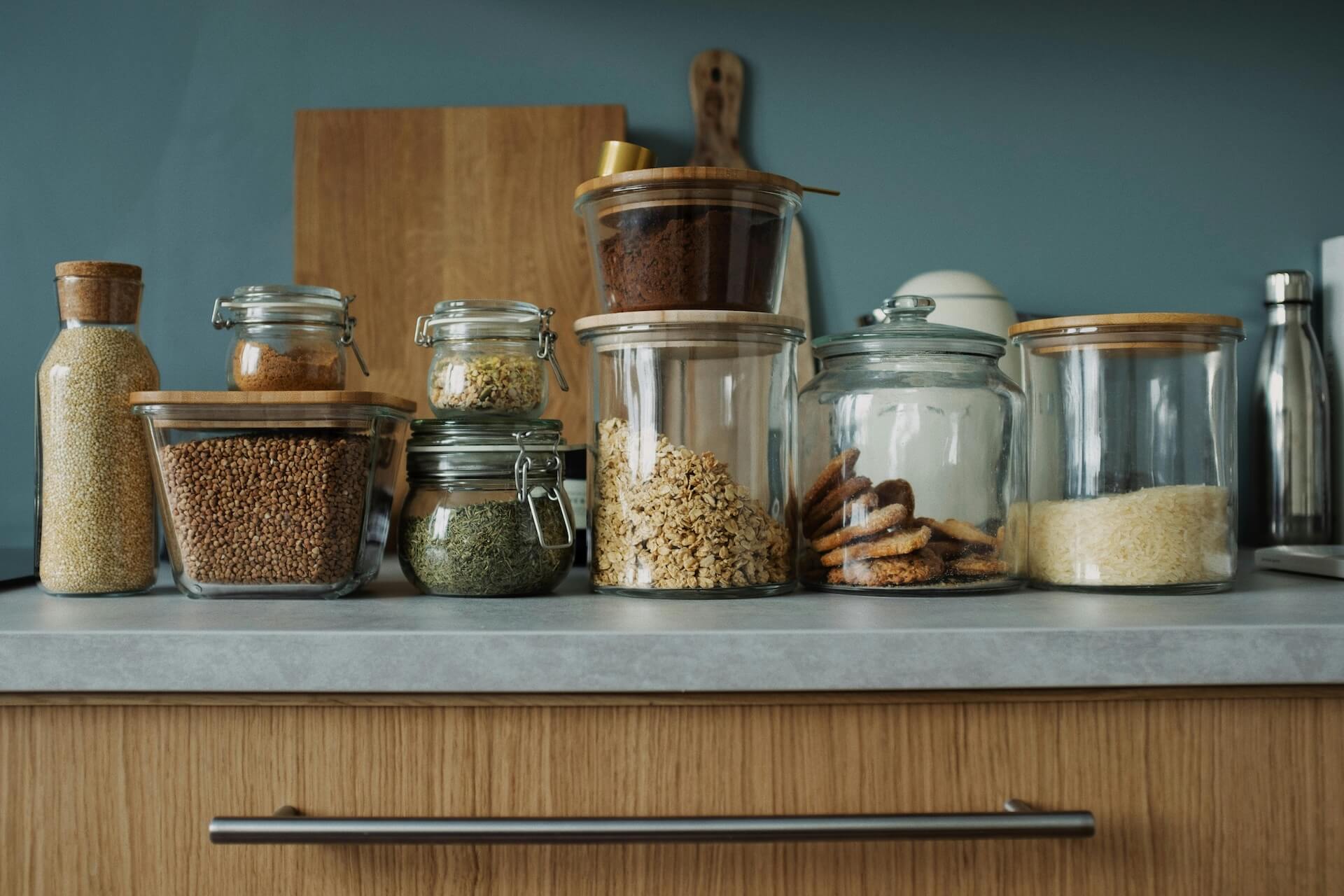
Many homeowners prefer storing pantry staples in clear glass jars for easy visual access. PackFreshUSA 100cc packets fit seamlessly into the mouth of standard quart jars without taking up precious room intended for food.
These absorbers are particularly useful for items like coffee beans, dried fruits, or nuts that get used more frequently than bulk staples. They allow the lid to seal tightly while ensuring that the air left at the top of the jar does not compromise the freshness of the contents.
Keep a stock of these smaller units for immediate use when organizing kitchen cabinets or pantry shelves. They offer the perfect balance of convenience and protection for the items that occupy the front lines of daily cooking.
Dry & Dry 500cc: Bulk Value for Big Pantries
For households that maintain a deep pantry or run a food-focused operation, buying individual packets can become unnecessarily expensive. Dry & Dry offers larger quantities at a price point that favors those who process dozens of bags at once.
The trade-off here is volume management; because they come in bulk, it is vital to have a storage plan for the unused packets. Keeping them in a vacuum-sealed secondary bag is essential to prevent them from activating prematurely in the open air.
Choose this brand when the scope of the project requires high efficiency and cost-effectiveness. It is the practical choice for homeowners who have graduated to buying supplies in true bulk and want to keep their overhead costs low.
Wisedry 300cc: Best Packaging for Freshness
The biggest failure point for oxygen absorbers is the original packaging. If the bag is not hermetically sealed or if the seal is compromised, the absorbers arrive already depleted. Wisedry is recognized for superior barrier packaging that keeps the product potent until the very moment of use.
This brand is an excellent choice for homeowners living in humid environments where moisture and air can degrade the packets quickly. The quality of the outer wrapping ensures that the absorbers inside remain in a dormant, active state.
Focus on Wisedry if previous experiences with other brands resulted in packets that felt hard or already “used” upon arrival. Quality packaging is the quiet feature that guarantees the investment actually works once placed inside a Mylar bag.
Matching Absorber Size to Your Container Type
Selecting the correct size is a balance of volume and displacement. A standard rule of thumb is to use 100cc for every gallon of container space, but this can vary depending on whether the container is filled with dense grains or bulky items like pasta.
- Quart Jars: 100cc is sufficient for almost all dry goods.
- One-Gallon Bags: 300cc provides the necessary safety margin.
- Five-Gallon Buckets: 500cc to 1000cc is required for full capacity.
Always over-estimate slightly rather than under-estimate. A slightly larger absorber will simply work faster and more efficiently, whereas a small one may fail to reach the necessary oxygen levels to prevent spoilage.
How to Properly Reseal Your Unused Absorbers
Once a bulk bag of absorbers is opened, the clock starts ticking immediately. To prevent the entire batch from being ruined, move unused packets into a small, thick-walled Mason jar or a heavy-duty vacuum-sealed bag.
If using a jar, ensure the lid has a tight rubber seal and consider placing a piece of tape around the rim for extra security. For vacuum-sealed bags, use a heat sealer to create an airtight environment that mirrors the manufacturer’s original packaging.
Mark the date of the first opening on the container to keep track of freshness. If the packets have been sitting for more than a month after the original seal was broken, perform a test before committing them to expensive food storage.
Signs Your Oxygen Absorber Isn’t Working Right
An active oxygen absorber that has been exposed to air for too long will become firm or hard to the touch. If the packet feels gritty or crunchy rather than like a soft, pliable pouch of powder, it has likely already absorbed ambient oxygen and lost its utility.
Another clear sign is the lack of a “vacuum look” after 24 to 48 hours. If the Mylar bag or container doesn’t show slight contraction or tightening, the oxygen was not effectively removed, indicating a faulty absorber or a leak in the container seal.
Never attempt to “reactivate” or dry out an absorber that has turned hard. Once the chemical reaction is complete, the shelf life has expired, and the safest course of action is to dispose of the item and start with a fresh one.
Maintaining a well-stocked pantry is a rewarding way to gain household autonomy and protect against rising grocery costs. By selecting the right size and handling your absorbers with care, your food storage will remain fresh, safe, and ready whenever the need arises. Remember that the quality of your sealing process is just as important as the quality of the absorber itself, so invest in reliable Mylar bags or airtight containers to complete the system. With these essentials in place, your long-term storage will be as robust as your short-term planning.



