
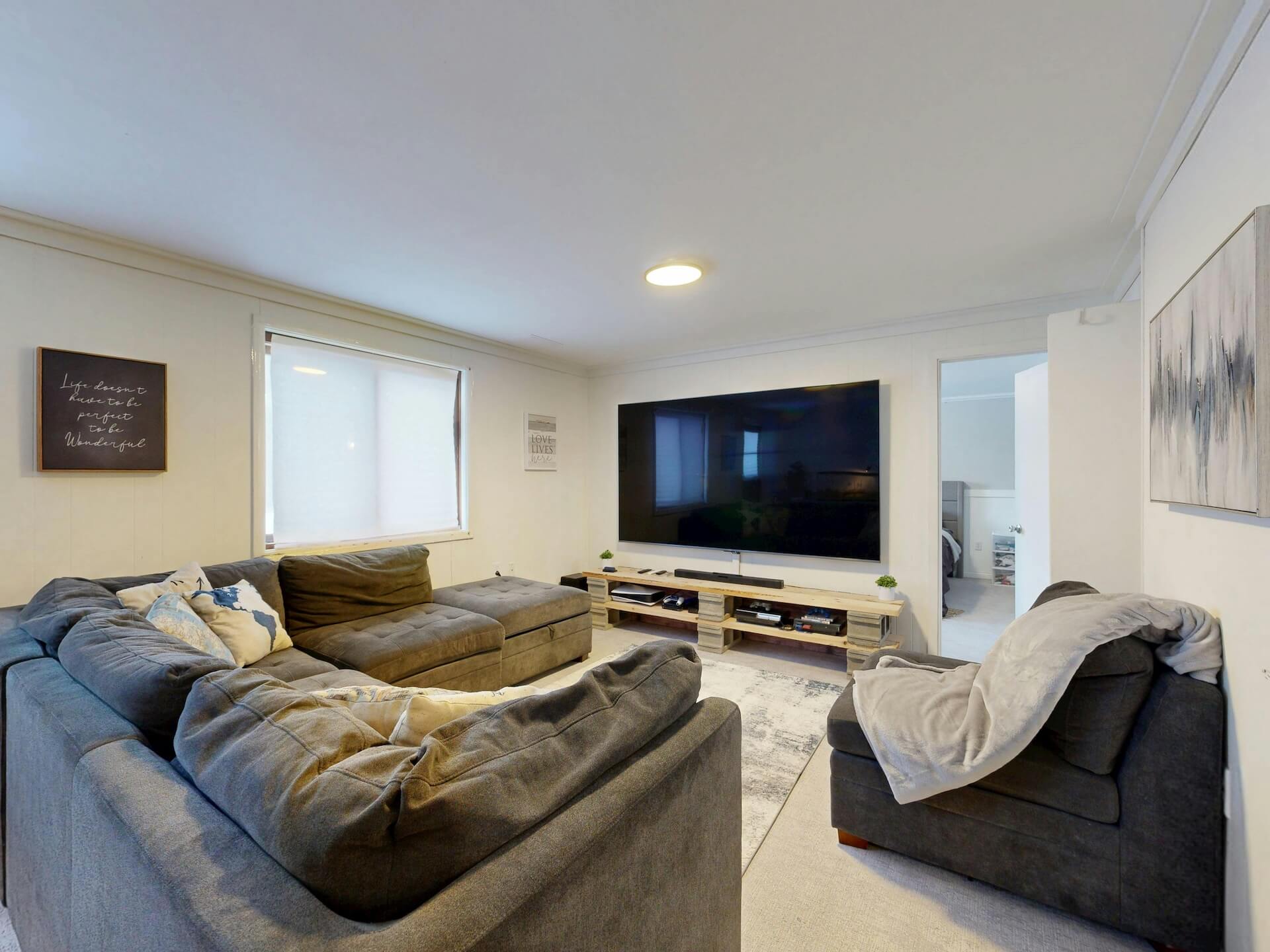
6 Best Surge Resistant Power Bars for Expensive Home Theaters
Protect your home theater! Discover 6 surge-resistant power bars. Shop now to safeguard your expensive electronics from power surges.
The sudden flash of a summer thunderstorm often leaves homeowners worrying about the safety of their television and sound systems. Protecting an expensive home theater setup requires more than just a standard power strip; it demands a robust surge protector capable of handling delicate electronics. Making the right choice now prevents the headache and significant expense of replacing equipment damaged by common power fluctuations.
APC P12U2: A Trusted Name for Everyday Protection
When a living room layout requires connecting a TV, soundbar, gaming console, and streaming box all in one place, the APC P12U2 offers a dependable foundation. Its twelve outlets provide ample room for those bulky power bricks that often block neighboring ports, making it a favorite for complex entertainment centers.
The inclusion of USB charging ports is a practical touch for keeping tablets or remotes powered without occupying wall outlets. While the unit maintains a sleek profile, it provides significant energy absorption capacity for the price.
Bottom line: This is a solid, mid-range choice for families who want name-brand reliability without over-engineering their home theater setup.
Tripp Lite ISOBAR8ULTRA: Top-Tier Electrical Safety
For those who live in older homes with unpredictable electrical wiring or frequently experience minor power fluctuations, the Tripp Lite ISOBAR8ULTRA is the industry standard for rugged protection. It features a unique metal housing that feels indestructible, setting it apart from the plastic construction found in most consumer-grade strips.
The hallmark of this unit is its internal diagnostic system, which uses filters to eliminate electromagnetic and radio frequency interference. While it carries a higher price point, the build quality justifies the cost for expensive hardware that needs a clean, stable power signal to function at its best.
Bottom line: If the goal is professional-grade protection for a high-end audio or video rig, the ISOBAR is the most trusted, heavy-duty solution available.
Belkin PivotPlug: Solves Your Bulky Plug Problem
Finding a surge protector that accommodates large, irregularly shaped power adapters is a common frustration in modern homes. The Belkin PivotPlug solves this elegantly with rotating outlets that allow each plug to find its own space, regardless of its shape or size.
This design is particularly useful in tight spaces like behind a media console where depth is restricted. Despite its focus on physical convenience, it does not compromise on safety or surge capacity, meeting the basic requirements for most home theater installations.
Bottom line: This is the go-to choice for homeowners tired of “outlet Tetris,” where one large plug prevents the use of three other available sockets.
Anker PowerExtend Strip: For All Your New Gadgets
Modern home theaters often evolve, with new streaming devices and chargers being added regularly to the setup. The Anker PowerExtend Strip addresses the need for versatility by packing multiple high-speed USB ports alongside standard outlets.
Its compact design fits well in smaller apartments or media rooms where floor space is at a premium. While it may not offer the extreme industrial-level filtration of higher-end units, it provides reliable surge protection for standard consumer electronics.
Bottom line: Choose this for a tidy, modern setup where mobile devices and streaming sticks are just as important as the primary television.
GE Pro 10-Outlet: The Reliable All-Around Choice
The GE Pro 10-Outlet is a workhorse that fits into almost any home theater budget without sacrificing core performance. It offers a generous ten outlets and a long cord, providing the flexibility needed to reach outlets located behind heavy cabinets or entertainment units.
It is straightforward, easy to install, and designed for long-term placement. While it lacks the fancy bells and whistles of more expensive units, its performance remains consistent for everyday use.
Bottom line: This is the quintessential “buy it and forget it” product for homeowners who prioritize straightforward utility and value.
AmazonBasics 12-Outlet: Best Value for Many Plugs
For basement theaters or expanded media setups that require a high volume of connections, the AmazonBasics 12-Outlet provides a cost-effective solution. It is designed to handle a large number of components at once, making it ideal for setups involving multiple consoles, speakers, and players.
While the build quality is more basic compared to professional-grade metal units, it includes the essential surge protection ratings needed to safeguard standard equipment. It is a practical choice for renters or those setting up a second room who need to maximize their budget.
Bottom line: It is the most economical way to gain a high number of outlets while still ensuring a baseline level of protection for electronics.
Understanding Joules: What This Number Means for You
The Joule rating is the most critical metric on a surge protector’s packaging, as it indicates how much energy the device can absorb before it fails. A higher number generally suggests a greater capacity to handle multiple small surges or a single, significant spike in electricity.
For a home theater, look for a rating of at least 2,000 to 3,000 Joules to ensure adequate protection for sensitive television circuitry. Anything less may be insufficient for high-end equipment that remains plugged in 24/7.
Bottom line: Prioritize the Joule rating over the number of outlets; a protector that cannot absorb enough energy is useless regardless of how many plugs it holds.
When to Replace Your Old Surge Protector for Safety
Many homeowners keep power strips for decades, but these devices have a finite lifespan. Once a surge protector has successfully absorbed a significant electrical event, its internal components degrade, leaving your equipment vulnerable to future spikes.
Most high-quality protectors include an indicator light that signals when the protection has been exhausted. If that light turns off or the unit seems to be failing, it must be replaced immediately, as it has effectively become a standard extension cord.
Bottom line: Treat surge protectors as disposable safety equipment; replace them every three to five years or sooner if they have been subjected to a major lightning strike or brownout.
Power Strip vs. Surge Protector: Know the Difference
It is easy to confuse a simple power strip with a surge protector, but the distinction is vital for hardware safety. A power strip is merely an extension cord that allows multiple devices to share an outlet; it offers zero protection against electrical damage.
A true surge protector contains components like Metal Oxide Varistors (MOVs) that detect excess voltage and shunt it away from your devices. Always check the packaging for a Joule rating and a UL certification; if the box only mentions “multiple outlets” without a Joule rating, it is likely just a power strip.
Bottom line: Never plug an expensive TV or receiver into a strip that lacks a clearly stated Joule rating on the box.
What Really Matters: Key Features for Home Theaters
When selecting a unit, consider the physical placement first. A longer cord is often necessary for reaching wall outlets in large rooms, while space-saving flat plugs are essential for positioning furniture flush against the wall.
Also, look for “connected equipment warranties” that some manufacturers offer. These warranties indicate that the company stands behind the surge protector’s ability to prevent damage, adding a layer of peace of mind to your investment.
Bottom line: Focus on the combination of a high Joule rating, appropriate cord length for your room, and a reputable brand that offers a warranty.
Protecting your home theater doesn’t have to be a complicated or overly expensive endeavor. By focusing on the correct Joule ratings and choosing a layout that fits your specific furniture, you can keep your electronics safe for years to come.

