
6 Best Power Strips for Cable Management
Eliminate cable clutter for good. These 6 power strips with mounting brackets let you securely attach power sources under desks or on walls for a clean setup.
That tangled nest of cables under your desk isn’t just an eyesore; it’s a dust magnet and a tripping hazard waiting to happen. Every time you need to unplug one thing, you end up wrestling with a jumble of cords. A mountable power strip is one of the simplest, most effective tools for reclaiming your space and bringing order to your electronics.
Taming Desk Clutter with Mountable Power Strips
The single biggest advantage of a mountable power strip is getting it off the floor. By attaching it to the underside of a desk, the back of a media cabinet, or a wall, you instantly hide the power source and make cable management a hundred times easier. This simple move transforms a chaotic floor space into a clean, usable area.
The way a strip mounts is a key decision point. Most models use keyhole slots on the back, designed for simple screw-in installation, which is a secure, permanent solution for homeowners. For renters or anyone hesitant to drill holes, desk clamps offer a sturdy, damage-free alternative that attaches directly to a tabletop’s edge. Some smaller units even use strong adhesive strips for a quick fix on smooth surfaces.
Beyond aesthetics, a mounted power strip is a practical safety measure. Cords kept off the ground are less likely to be kicked, pulled, or damaged by vacuum cleaners or rolling office chairs. This organized approach also makes it much easier to identify and unplug specific devices without having to trace a single cord through a tangled mess.
Anker PowerExtend USB-C 3 for Compact Versatility
If your desk is command central for charging phones, tablets, and headphones, a modern power strip with integrated USB ports is a must. The Anker PowerExtend line is designed specifically for this need, combining traditional AC outlets with high-speed USB-A and USB-C ports. This eliminates the need for multiple bulky charging bricks, freeing up valuable outlet space.
This unit’s compact, lightweight design makes it an excellent candidate for mounting in tight spaces. You can attach it to the side of a nightstand, the back of a headboard, or the leg of a desk without it feeling obtrusive. Its primary mounting method is often a strong adhesive pad, which is perfect for a clean, drill-free installation on a finished wood or metal surface.
The tradeoff for its sleek profile and convenience is durability. Unlike heavy-duty metal strips, this is a plastic-housed unit built for light-duty office or bedroom environments. It’s the right tool for powering your personal electronics, but not what you’d choose for a garage workshop.
Tripp Lite Isobar 6 for Heavy-Duty Metal Housing
For a home office with expensive computer equipment or a workshop powering tools, surge protection and durability become top priorities. The Tripp Lite Isobar series is known for its rugged, all-metal housing that can withstand the bumps and scrapes of a high-traffic area. This isn’t a delicate piece of plastic; it’s built for demanding environments.
The Isobar’s main selling point is its high-level surge protection, measured in joules. A higher joule rating means it can absorb more energy from a power surge, offering better protection for sensitive electronics like PCs, servers, or audio/video equipment. While it costs more than a basic strip, it’s an investment in protecting the gear plugged into it.
Mounting is straightforward and secure, thanks to integrated tabs with screw holes. This design is meant for a permanent installation on a wall, workbench, or server rack. This is the choice for someone who values maximum protection and a rock-solid mount over the convenience of a temporary clamp or adhesive.
Belkin PivotPlug for Accommodating Bulky Adapters
We’ve all experienced it: you try to plug in a large power adapter and it immediately blocks the two outlets next to it. The Belkin PivotPlug series directly solves this common frustration. Each outlet can rotate, allowing you to arrange bulky adapters and standard plugs side-by-side without conflict.
This feature makes it an ideal choice for an entertainment center, where you’re juggling power bricks for a router, speakers, gaming console, and TV. By angling the outlets, you can use every single one, maximizing the utility of the strip. It’s a design born from a very real, everyday household problem.
Most PivotPlug models come with standard keyhole slots on the back for wall or under-desk mounting. This combination of flexible outlets and a secure mounting option makes it a workhorse for messy cable situations. It’s a perfect middle-ground option that prioritizes convenience and usability.
APC Desk Mount PE6U2 for Clamp-On Convenience
For those who live in apartments, dorms, or simply don’t want to put holes in their furniture, a clamp-on power strip is the perfect solution. The APC Desk Mount unit is designed with a built-in, adjustable clamp that securely fastens to the edge of a desk or shelf. Installation takes less than a minute and requires no tools.
This design brings power right to your fingertips without taking up any desk surface area. The outlets face you, making it easy to plug and unplug devices without crawling on the floor. It often includes USB ports as well, turning it into a complete, accessible charging and power hub.
The primary consideration here is desk compatibility. You’ll need to ensure the clamp can open wide enough for your desk’s thickness and that there’s a sufficient lip for it to grab onto. While incredibly convenient and non-permanent, it’s less versatile than a screw-in model that can be mounted on virtually any flat surface.
ECHOGEAR On-Wall EGAV-ASU61 for a Sleek Profile
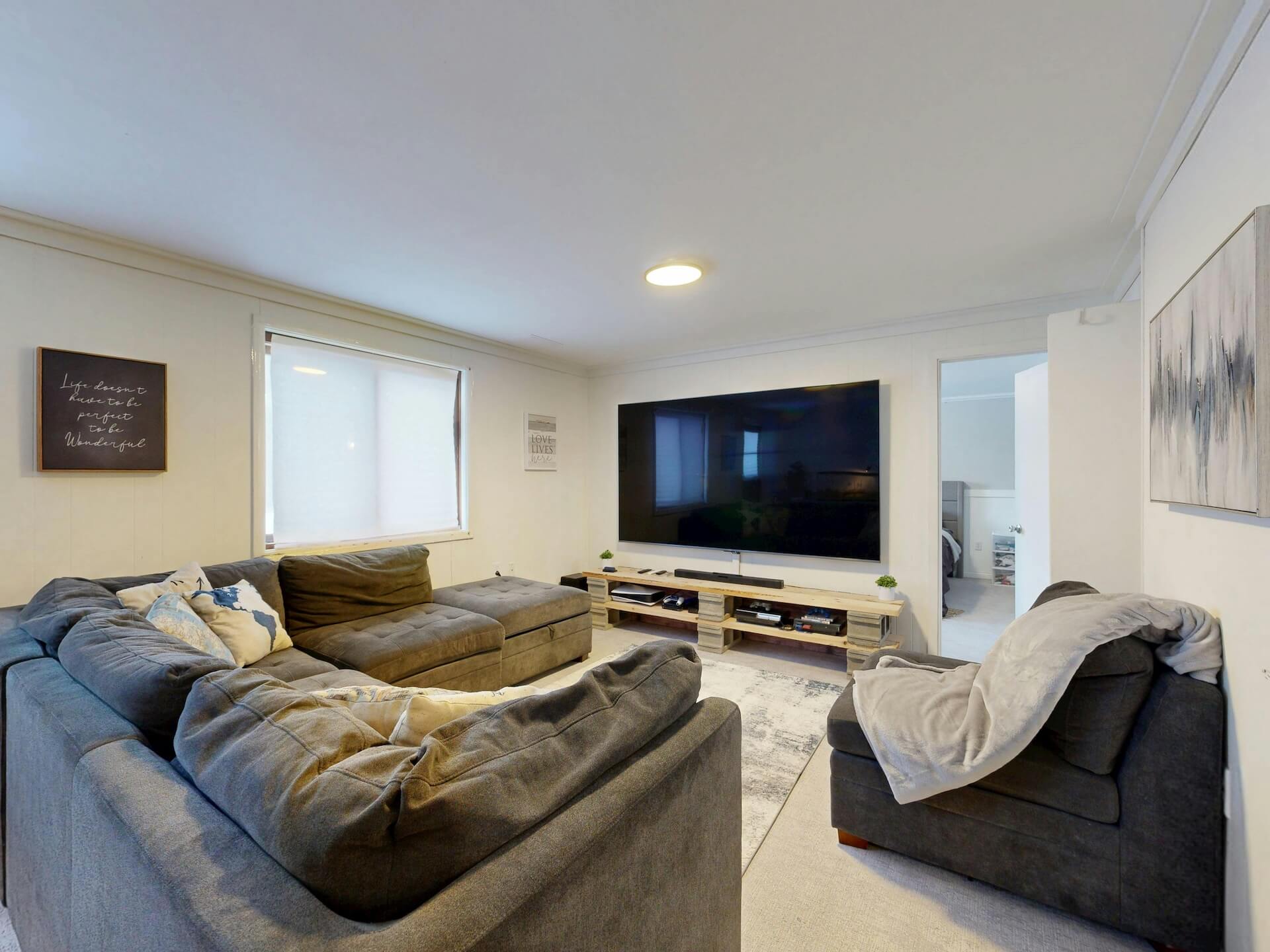
When mounting a flat-screen TV, the goal is often to make the installation look as clean and wireless as possible. The ECHOGEAR On-Wall surge protector is purpose-built for this scenario. Its slim, low-profile design allows it to be mounted directly on the wall behind the TV, completely hidden from view.
This unit not only provides surge-protected outlets for your TV and soundbar but also includes USB ports for powering streaming sticks like a Fire TV or Roku. Many models also feature advanced fireproof technology for added safety and peace of mind when installed inside a wall or behind expensive electronics. It’s a specialized tool for creating a professional-looking media setup.
This is a dedicated wall-mount solution, complete with included screws and drywall anchors. It isn’t designed for desk or workshop use. Choose this option when your primary goal is a clean aesthetic for your home theater, and you’re comfortable with a permanent, screw-in installation.
AmazonBasics 8-Outlet for a Simple, Budget Mount
Sometimes, you don’t need fancy features like pivoting plugs or USB-C ports. You just need a reliable power strip with plenty of outlets that you can get off the floor. The AmazonBasics 8-Outlet surge protector is a perfect example of a functional, no-frills solution that gets the job done.
This power strip provides a solid level of surge protection for everyday electronics and features a simple, durable plastic housing. Its key feature for our purposes is the pair of keyhole mounting slots on the back. With two simple screws, you can easily mount it vertically or horizontally under a desk or on a wall.
While it lacks the heavy-duty build of an Isobar or the adapter-friendly design of a Belkin, its value is undeniable. For a child’s bedroom, a craft table, or a basic computer setup, it provides the organizational benefits of a mountable strip at a very accessible price point. It’s a reminder that a practical solution doesn’t have to be an expensive one.
Choosing Your Mount: Screws, Clamps, or Brackets
Ultimately, the best power strip is one that fits your space and your needs. The mounting method is just as important as the number of outlets, so consider your situation carefully before you buy.
Your choice generally comes down to three main types, each with clear pros and cons:
- Screws (Keyhole Slots or Tabs): This is the most common and secure method. It’s perfect for homeowners who want a permanent installation on drywall, wood, or metal. It offers the most versatility in terms of placement but requires tools and creates small holes.
- Clamps: This is the ideal no-damage solution for renters and anyone with a standard desk edge. It offers excellent accessibility and is completely removable, but it only works on surfaces of a specific thickness.
- Adhesive: Best for small, lightweight power strips, this method is fast and tool-free. However, its holding power can vary greatly depending on the surface texture and weight of the cords, making it less reliable for heavy-duty applications.
Think about where the strip will live and how you use your space. A clamp is fantastic for a frequently used work-from-home desk, while screws are a better choice for a "set it and forget it" installation behind your TV cabinet. Match the mounting style to your lifestyle for a clutter-free solution that lasts.
Organizing your cables by mounting a power strip is a small project with a big impact. It instantly makes a space feel calmer, cleaner, and safer. By choosing the right tool for your specific home and habits, you can conquer cord chaos for good.

