7 Best Indoor Plants for Decorating Entertainment Spaces
Elevate your entertainment spaces with these 7 best indoor plants for decor. Discover vibrant greenery and add life to your home – shop now!
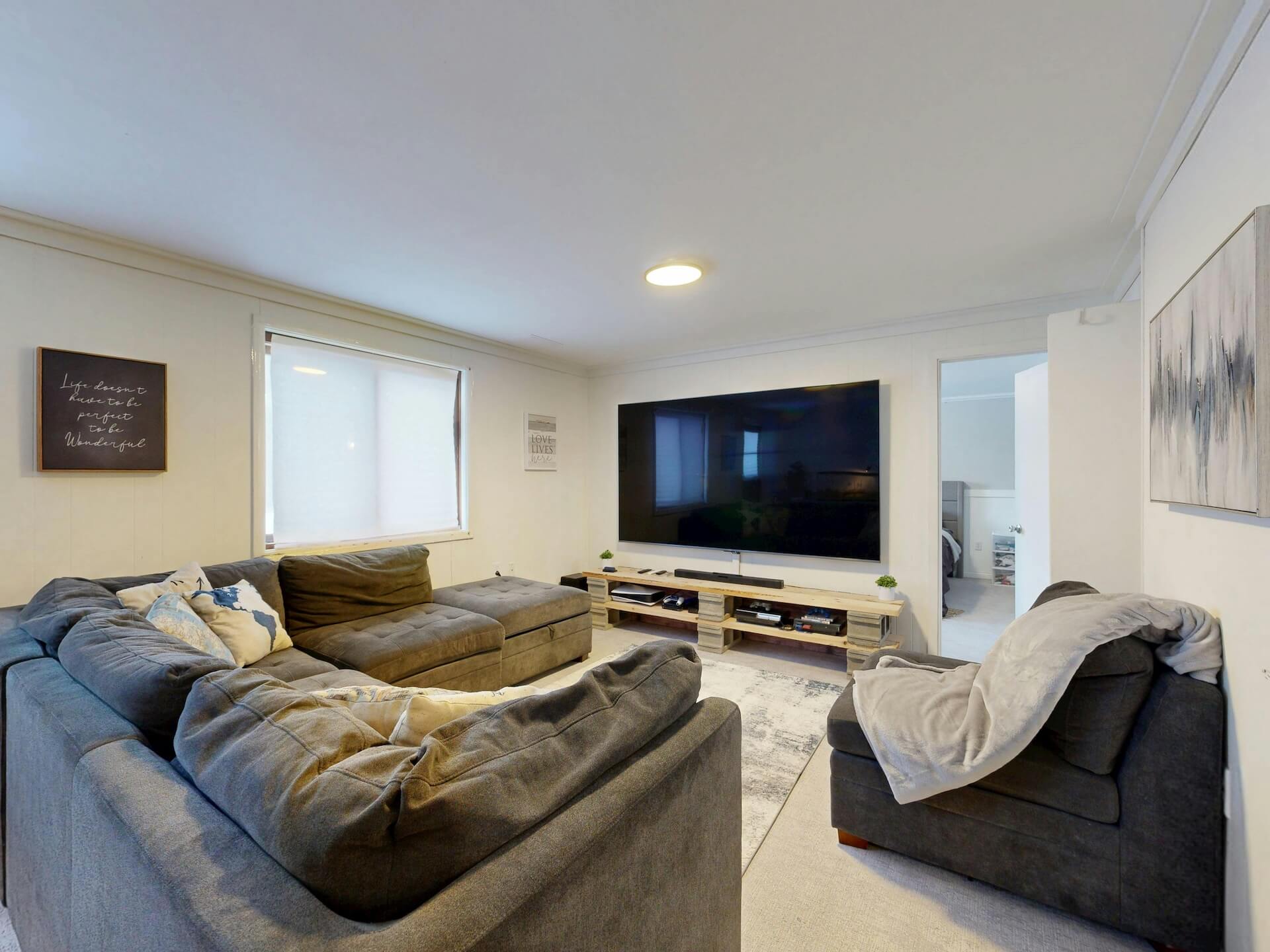
Entertainment spaces often feel sterile when populated only by electronic screens and media consoles. Introducing living greenery softens these hard lines, turning a functional living room into a comfortable sanctuary for guests and family alike. Selecting the right plant requires balancing the unique lighting of a home with the reality of a busy, everyday schedule.
Snake Plant: Best for No-Fuss Vertical Style
The Snake Plant stands out as the ultimate choice for homeowners who want greenery without the burden of a demanding schedule. Its architectural, upright leaves occupy very little footprint, making it perfect for tucking into narrow gaps beside a television stand or between two accent chairs.
Because it thrives on neglect, this plant is ideal for households that frequently travel or simply forget to water on a regular cadence. It handles low-light conditions well, though it remains versatile enough to sit in brighter, filtered light near a window.
Bottom Line: Purchase a Snake Plant when structural height and extreme durability are the top priorities. It is an affordable investment that rarely needs repotting or specialized attention.
ZZ Plant: Best for Low-Light Corner Spaces
Media rooms and dens often feature heavy curtains or minimal window access, creating a challenging environment for most houseplants. The ZZ Plant flourishes in these dim conditions, maintaining its waxy, deep-green foliage even when natural sunlight is scarce.
Its slow growth rate ensures that the plant does not outgrow its designated corner too quickly. This trait makes it a reliable choice for homeowners who prefer a consistent look without the constant need for pruning or reshaping.
Bottom Line: Choose the ZZ Plant for dark corners where other plants might wither. It is exceptionally resilient, though it prefers to be kept away from direct, harsh sunbeams that can scorch its leaves.
Golden Pothos: Best for Cascading Bookshelves
When a room needs a touch of softness to break up the rigid lines of media storage or tall bookshelves, the Golden Pothos provides a lush, trailing effect. Its vines grow quickly, allowing homeowners to drape them across horizontal surfaces or train them to climb nearby structures.
This plant is incredibly forgiving, signaling its thirst by slightly wilting, which takes the guesswork out of maintenance. It is a cost-effective starter plant that can easily be propagated to fill other areas of the home once the original begins to thrive.
Bottom Line: Use the Golden Pothos to create a relaxed, cozy aesthetic on high shelves. Remember that its vines grow long, so periodically trim them back to maintain the desired density.
Peace Lily: Best for Elegant, Low-Effort Blooms
The Peace Lily brings a sophisticated, floral touch to an entertainment space without the high maintenance usually associated with flowering indoor plants. Its white, sail-like blooms offer a sharp contrast to its dark, glossy foliage, providing a high-end look at a moderate price point.
It performs well in indirect light and acts as a visual indicator of water needs, as the leaves will droop significantly when thirsty. Once watered, the plant bounces back quickly, making it a rewarding choice for those who enjoy seeing immediate results from their care efforts.
Bottom Line: Select a Peace Lily for a refined aesthetic that bridges the gap between living room decor and traditional floral arrangements. Keep in mind that its need for consistent moisture is higher than that of succulents.
Spider Plant: Best for Purifying Air Naturally
Spider Plants are classic household staples for good reason: they are incredibly adaptable and produce “babies” that can be used to grow new plants. Their arching, variegated leaves add texture to small spaces, such as an end table or a floating wall shelf.
Beyond their appearance, they are frequently cited for their ability to help keep indoor air feeling fresh. They are safe, reliable, and produce a sense of abundance that makes a living space feel well-cared-for and inviting.
Bottom Line: Invest in a Spider Plant if budget and ease of propagation are important factors. It is a workhorse that fits almost any interior design style from traditional to modern.
Cast Iron Plant: The Toughest Plant You Can Own
True to its name, the Cast Iron Plant is nearly indestructible, making it the perfect choice for high-traffic entertainment areas. It tolerates wide fluctuations in temperature and humidity, meaning it will not suffer if placed near a heating vent or a drafty doorway.
This plant grows slowly and features deep green, leathery leaves that provide a classic, understated backdrop. It does not require frequent fertilizing or precise soil adjustments to remain healthy over several years.
Bottom Line: If previous attempts at indoor gardening have failed, the Cast Iron Plant is the reliable, long-term solution. It represents excellent value because it rarely needs replacement.
Bird of Paradise: Best for a Dramatic Focal Point
When a living room features vaulted ceilings or large, empty walls, the Bird of Paradise creates an impressive vertical statement. Its large, tropical leaves draw the eye upward and bring a sense of scale and luxury to the room.
Unlike smaller options, this plant requires a specific spot with bright, indirect light and a bit more room to breathe. It is a higher-maintenance plant that serves as the centerpiece of a room, acting as a living sculpture.
Bottom Line: Choose a Bird of Paradise if you are looking for a singular focal point rather than a collection of smaller plants. Ensure you have the physical floor space to accommodate its wide, expansive reach.
Choosing a Planter: Drainage and Proper Sizing
The most common mistake homeowners make is choosing a decorative pot without considering the function of the plant inside. Always ensure the container has drainage holes to prevent standing water, which is the primary cause of root rot.
When sizing a planter, select a vessel only one to two inches wider than the nursery pot. A container that is too large holds excess soil and moisture, which can overwhelm the plant’s root system.
- Ceramic: Heavy and stable, good for tall plants like the Bird of Paradise.
- Plastic: Lightweight and inexpensive, ideal for high shelves where weight is a concern.
- Terra Cotta: Porous, helping soil dry out faster for plants like the Snake Plant.
Matching Plants to Your Home’s Natural Light
Understanding the light in a room is the foundation of a successful plant purchase. A south-facing window provides bright, direct light, while a north-facing window offers softer, consistent, indirect light.
Monitor how sunlight moves through the entertainment area during the day before placing a plant. If a space receives no direct sun, stick to low-light specialists like the ZZ Plant or Cast Iron Plant to avoid disappointment.
- Bright Indirect: Best for Peace Lilies and Bird of Paradise.
- Low Light: Best for ZZ Plants and Snake Plants.
- Variable: Golden Pothos and Spider Plants handle moderate fluctuations well.
A Note on Plant Safety for Pets & Grandkids
Many popular houseplants contain compounds that can be irritating or toxic if ingested by pets or small children. Before bringing a plant home, verify its safety profile, especially if it will be placed on low surfaces or the floor.
If a home includes curious pets or toddlers, consider placing toxic varieties on tall, unreachable shelves or in hanging planters. Always keep a list of common plant names and their toxicity levels handy to ensure a safe environment for all family members.
Greenery transforms any entertainment space from a functional utility room into a warm, inviting hub for the home. By choosing plants that align with specific light levels and maintenance capabilities, any homeowner can achieve a vibrant, healthy living area.