
7 Best Seed Storage Containers for Longevity
Ensure high germination rates with proper storage. Discover 7 top labeled containers that keep seeds dry, dark, and organized for successful future plantings.
You eagerly open your garden shed in spring, ready to plant, only to find a jumble of half-used seed packets from last year, some damp and others faded beyond recognition. We’ve all been there, losing a future harvest not to pests or weather, but to a simple lack of organization. The right storage container is more than just a box; it’s an inexpensive insurance policy for the time, money, and hope you invest in your garden.
Why Proper Seed Storage Preserves Your Harvest
Think of seeds as tiny, sleeping plants. To keep them viable for the next season, and often for many years to come, you must protect them from their four main enemies: moisture, heat, light, and oxygen. When seeds are exposed to moisture or wild temperature swings, they can lose their ability to germinate or even begin to mold. Consistent, cool, dark, and dry conditions are the gold standard for preserving their life force.
Proper storage isn’t just about preserving seeds; it’s about preserving your budget and your time. Every packet you save is one you don’t have to rebuy next year, and good organization prevents you from purchasing duplicates. For gardeners who save their own heirloom seeds, a reliable storage system is absolutely critical for protecting unique genetic lines and ensuring a successful crop year after year. A small investment in the right container pays for itself in a single season.
IRIS USA Photo Keeper for Organizing Seed Packets
If your seed collection consists mostly of standard paper packets from various brands, a photo keeper is one of the most practical solutions available. These systems feature a large, suitcase-style plastic case that holds multiple smaller, individual 4×6-inch cases inside. Each small case is perfectly sized to hold several seed packets, protecting them from being crushed or torn.
This modular approach is ideal for sorting. You can dedicate one case to tomatoes, another to herbs, and a third to root vegetables, labeling each one for quick access. While these cases are not perfectly airtight or waterproof, they provide excellent physical protection and organization for short-to-medium-term storage (1-3 years) in a stable indoor environment, like a closet or a cool basement shelf. The primary tradeoff is its bulk; it’s an efficient use of space for a large collection but can be overkill if you only have a few packets.
Garden Pack Organizer: A Dedicated Seed Storage Box
For the serious gardener who views their seed collection as a long-term library, a purpose-built seed storage box is a worthy investment. Often crafted from powder-coated steel or durable wood, these boxes are designed specifically with the gardener in mind. They typically include features like hinged lids, secure latches, and alphabetical or monthly dividers to keep your collection meticulously organized.
The main advantage here is durability and a focused design. A steel box offers superior protection against pests and moisture compared to basic plastic bins. The cost is higher, but you are buying a permanent solution that can be passed down. This option is best for homeowners with a dedicated space for their gardening supplies, as these boxes can be heavy. It’s a "buy it once, buy it right" choice for those committed to saving and storing seeds for many years.
Seed Savers Exchange Envelopes for Easy Labeling
If you save your own seeds from the garden, you know that labeling is everything. This is where specialized seed envelopes become an essential part of your system, not as the container itself, but as the first layer of organization within it. Made from paper or semi-translucent glassine, these envelopes provide a dedicated space to write down crucial information: plant variety, harvest date, and any specific notes on germination.
These envelopes are not a standalone storage solution; they offer no real protection from moisture. Their job is to contain and identify your seeds before they go into a larger, more protective container like a mason jar or an airtight bin. They are inexpensive, take up minimal space, and are far superior to using random plastic baggies, which can trap moisture and ruin seeds. Think of them as the file folders within your larger filing cabinet.
PackFreshUSA Mylar Bags for Long-Term Protection
When your goal is archival storage—keeping seeds viable for five, ten, or even more years—Mylar bags are the undisputed champion. These foil-lined bags, when paired with an oxygen absorber packet and properly heat-sealed, create a vault-like environment. They block 100% of light and are impermeable to moisture and oxygen, effectively putting the seeds into a state of suspended animation.
This method is perfect for building a long-term seed bank or storing a large quantity of a particularly valuable seed. The tradeoff is convenience. Once sealed, you can’t see what’s inside, so clear labeling is non-negotiable. They also require a heat sealer (a simple impulse sealer or even a household iron can work) for a perfect seal. This isn’t for the seeds you’ll be using next month; it’s for the seeds you want to guarantee are ready for your garden a decade from now.
ArtBin Solutions Box for Tiny, Hard-to-Sort Seeds
Do you struggle with tiny, slippery seeds like carrot, lettuce, or poppy? A small craft organizer, often sold under brands like ArtBin, can be a game-changer. These are typically clear plastic boxes with many small, individual compartments, sometimes with adjustable dividers. They allow you to decant small amounts of seed from their bulky original packets into dedicated, easy-to-see slots.
This is an organizational tool first and a storage container second. The clear lid lets you see your entire tiny-seed inventory at a glance, preventing you from losing a $4 packet of seeds in a messy drawer. Be aware that most of these boxes are not airtight, so they are best for storing seeds you plan to use within the next season. For the home gardener with a diverse collection of flowers and herbs, this solution can bring welcome order to the chaos of tiny packets.
Ball Mason Jars: Airtight Bulk Seed Protection
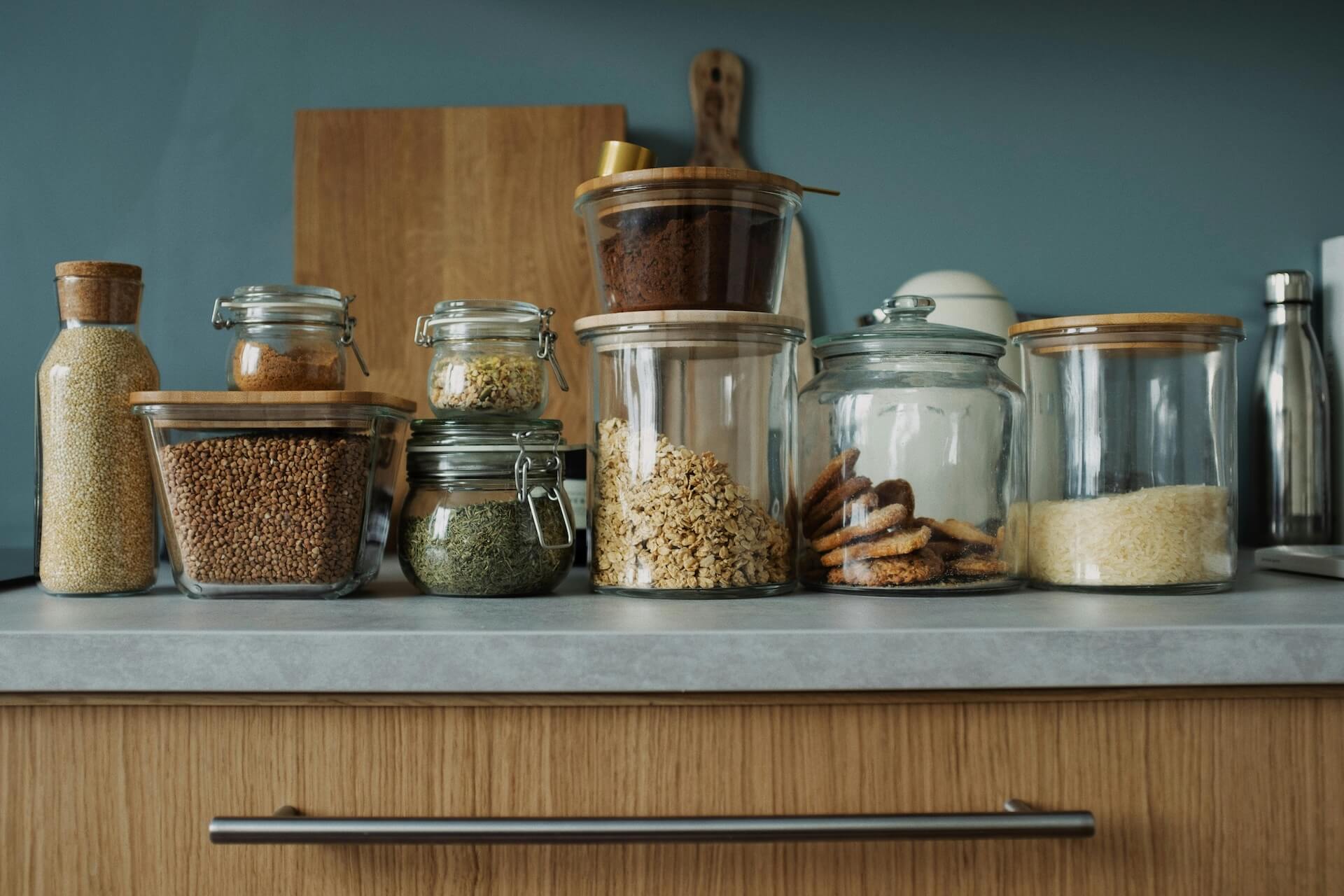
For storing larger seeds like beans, peas, corn, or squash, the humble mason jar is a fantastic and readily available option. When fitted with a standard two-part canning lid, a glass jar creates a truly airtight and moisture-proof seal. This is an ideal solution for seed savers who have harvested a large quantity of a single crop and need a simple, effective way to protect it.
Glass is inert, so it won’t impart any chemicals or odors, and it’s impenetrable to rodents. The biggest tradeoff is that glass is clear, and light is a primary enemy of seed viability. Therefore, jars used for seed storage must be kept in a completely dark location, such as a cabinet, a pantry, or inside an opaque box. While excellent for bulk storage, their round shape makes them less space-efficient for organizing dozens of different varieties compared to rectangular containers.
BCW Pro Pocket Pages for Binder Organization
If you are a planner who loves to see your entire inventory laid out, consider organizing your seed packets in a binder. Using plastic pocket pages—the same kind used for collecting trading cards or photos—allows you to slip each seed packet into its own clear sleeve. You can flip through your collection like a book, easily comparing varieties and planning your garden layout.
This method offers maximum visibility and organization for the price of a binder and a pack of pages. However, it’s crucial to understand this is an organizational system, not a preservation one. The thin plastic offers minimal protection from humidity, temperature changes, or crushing. This approach is best for gardeners in stable indoor climates who use most of their seeds within one or two seasons and prioritize planning over long-term archival storage.
Ultimately, the perfect seed storage container is the one that matches your gardening habits, your space, and your budget. Don’t chase a flawless system; choose a practical one you’ll consistently use. Whether it’s a simple photo box or a collection of airtight jars, the goal is the same: to protect your future harvest and ensure the seeds you buy or save are ready when you are.

