
8 Replacement Feeder Parts for Extending Product Life
Extend your feeder’s life! Discover 8 essential replacement parts to keep it running smoothly. Shop now!
Watching the birds gather in the backyard is a simple pleasure that can quickly turn into a source of frustration when a feeder starts to show its age. Weathering, squirrel damage, and the simple passage of time often compromise equipment that otherwise remains perfectly functional. Investing in replacement parts rather than discarding the entire unit is the smartest way to maintain a thriving garden habitat while keeping costs manageable.
Droll Yankees Replacement Tube: For Cracked Feeders
Acrylic tubes often suffer from UV degradation or accidental drops, leading to unsightly spiderweb cracks. Rather than tossing a high-quality metal-base feeder, a replacement tube restores the structural integrity of the unit for a fraction of the cost.
This is an ideal solution for homeowners who prefer to keep their existing hardware while simply refreshing the clear viewing window. Ensure the replacement tube matches the specific diameter and length of the original model to guarantee a snug, leak-proof fit.
- Budget tip: Check for end-cap compatibility before purchasing to avoid needing additional hardware.
- Bottom line: Replacing just the tube keeps high-quality, long-lasting metal feeders in rotation indefinitely.
Perky-Pet Feeder Ports: Restore Old Feeding Stations
Over time, plastic feeding ports can become brittle or lose their tension, causing them to fall off or leak seed continuously. These ports are high-wear items because birds constantly pull at them, leading to natural degradation in busy feeding areas.
Swapping out old, discolored ports makes the feeder look brand new while ensuring the seed remains protected from moisture. When choosing replacements, prioritize UV-resistant plastic to ensure the ports don’t snap during the next harsh winter season.
- Practical note: If the existing holes have widened, a larger-diameter port may be required to secure the fit.
- Bottom line: A five-minute installation can prevent significant seed waste caused by loose or broken ports.
Squirrel Buster Perch Ring: A Sturdier Footing
Squirrels are notorious for chewing through plastic perches, eventually rendering a feeder unusable for smaller birds. Replacing only the perch ring is a tactical way to maintain a squirrel-proof system without replacing the entire complex spring mechanism.
These rings are designed to withstand significant weight and environmental pressure, making them a durable upgrade. For homeowners in squirrel-heavy suburban zones, choosing a metal replacement ring over a plastic one provides a more resilient barrier against persistent pests.
- Installation check: Confirm the wire gauge compatibility with the specific feeder model to ensure the ring locks into place correctly.
- Bottom line: Replacing a chewed perch restores the feeder’s utility and preserves its anti-squirrel functionality.
Woodlink Weather Guard: Protects Seed from the Rain
Excessive moisture is the primary enemy of bird health, leading to moldy seed that clogs ports and harms wildlife. Adding a weather guard—or replacing a damaged one—acts like an umbrella for the feeder, keeping the contents dry and free-flowing.
This is a particularly smart investment for residents in humid or rainy climates where seed spoilage is a constant chore. The guard should be wide enough to extend past the feeding ports but not so heavy that it destabilizes smaller hanging hardware.
- Placement advice: Ensure the guard is positioned high enough to allow birds easy access to the ports.
- Bottom line: A weather guard significantly extends the time between required cleanings.
Aspects Nyjer Feeder Port Kit: For Finch Feeders
Nyjer feeders feature delicate, small ports that are prone to clogging or being pried open by larger, aggressive birds. An aspect-specific port kit provides the necessary components to keep the feeder strictly for finches and smaller songbirds.
Homeowners who notice seed pouring out too quickly will find these kits essential for maintaining proper flow control. Always opt for kits that include the specialized rubber gaskets, as these prevent fine Nyjer seed from leaking at the seams.
- Maintenance tip: Use a small pipe cleaner to clear any residue before installing new ports for a better seal.
- Bottom line: Dedicated kits prevent seed loss and ensure the feeder continues to attract intended species.
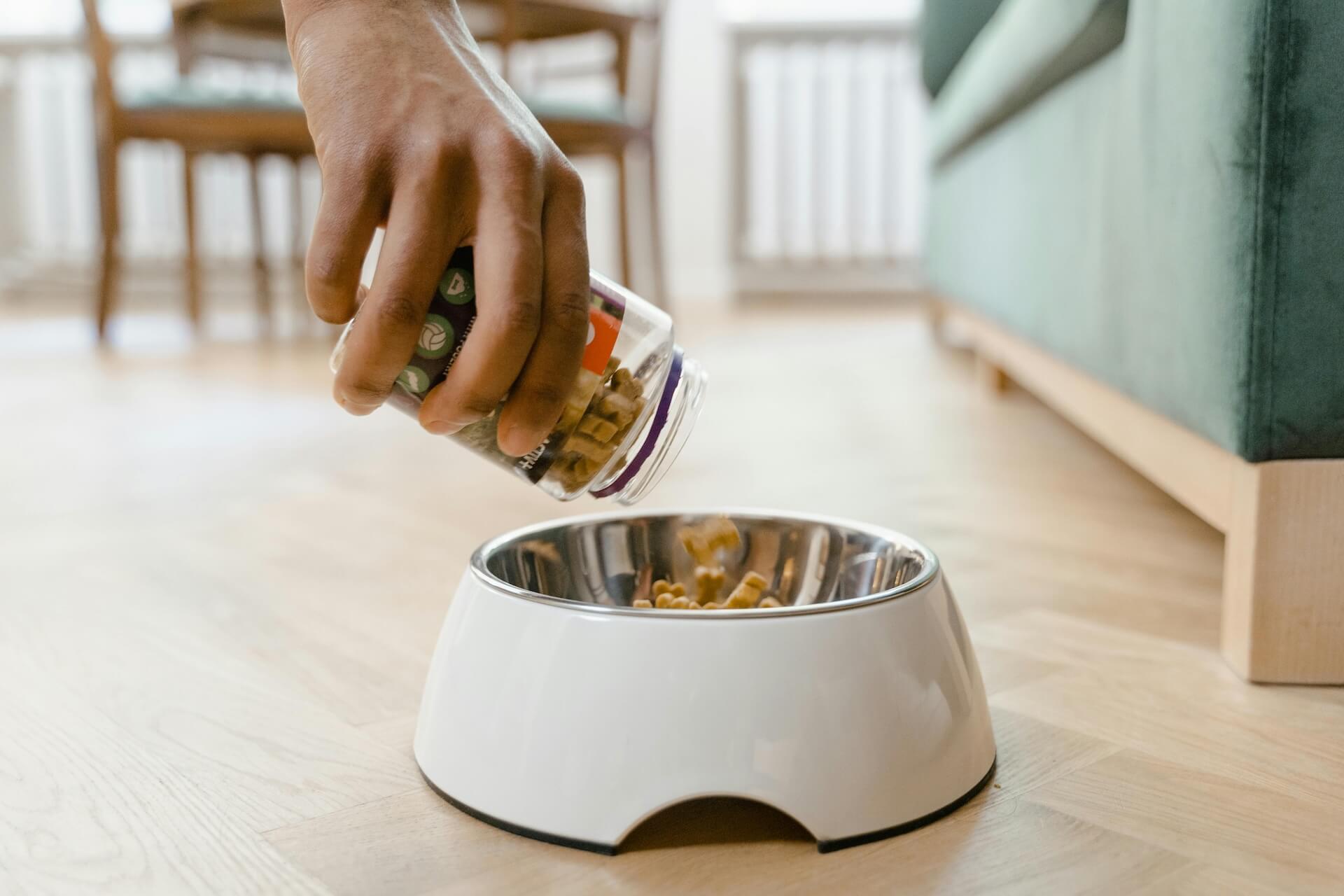
PetSafe Healthy Pet Bowl: For Automatic Feeders
Automatic feeders often suffer from wear on the feeding tray due to consistent interaction with pets or cleaning cycles. Replacing the bowl is a straightforward way to maintain hygiene standards without needing to buy an entirely new automated system.
Stainless steel bowls are generally preferred over plastic for these units, as they are easier to sanitize and less prone to odor retention. Verify that the bowl shape matches the specific dispensing mechanism of the original unit to prevent jamming.
- Sanitation note: Dishwasher-safe replacements offer the best convenience for busy households.
- Bottom line: Keep the feeding station sanitary by replacing worn trays rather than relying on deep scrubbing that may damage surfaces.
Droll Yankees Seed Tray: Catches Spilled Birdseed
A seed tray serves a dual purpose: it acts as a landing platform for birds and keeps expensive seed off the ground, where it attracts unwanted rodents. If a tray has cracked from heavy squirrel traffic or winter ice, replacing it is highly recommended.
This addition makes a feeder more inclusive for birds that prefer larger landing surfaces, such as cardinals or jays. Ensure the mounting bracket fits the diameter of the feeder pole to prevent the tray from sliding downward.
- Capacity consideration: Larger trays can support more birds but may require more frequent cleaning.
- Bottom line: A seed tray prevents waste and keeps the area beneath the feeder significantly cleaner.
PetSafe Power Adapter: Keep Automatic Feeders On
While battery power offers portability, power adapters provide the reliability needed for consistent feeding schedules in a home setting. If an adapter becomes frayed or stops making a consistent connection, replacing it immediately prevents the interruption of a pet’s mealtime.
Look for adapters with reinforced cables to prevent fraying near the plug, which is the most common point of failure. Using the manufacturer-recommended adapter is essential for preventing electrical surges that could damage the feeder’s internal motor.
- Safety check: Always check the cable for signs of pet chewing before each use.
- Bottom line: A dedicated power supply ensures a steady routine and eliminates the hidden costs of constantly buying batteries.
Measuring Your Feeder for the Correct Part Size
Proper measurement is the difference between a successful repair and a return trip to the store. Use a digital caliper or a flexible measuring tape to determine the precise diameter of tubes, the exact width of slots, and the threading of screws.
Do not rely on estimation, as even a quarter-inch difference can prevent ports or tubes from snapping into place. Write down the model name and, if possible, the serial number or manufacturing date found on the bottom of the feeder before researching parts.
- Quick tip: Many manufacturers list exact part numbers on their websites, which should be used instead of generic measurements.
- Bottom line: Precision saves time and ensures the replacement part functions as intended from day one.
When to Repair and When to Replace Your Feeder
Repairing a feeder is a wise decision when the primary structure—the housing, base, or rod—remains sound despite wear to secondary components. If the cost of the combined replacement parts exceeds fifty percent of a brand-new model, it is often more economical to upgrade to a newer, more efficient version.
However, prioritize repair if the feeder is a high-end, weather-resistant model that is otherwise in good condition. Conversely, if the structural plastic has become brittle or the hanging mechanism is warped, the safety of the birds and the longevity of the repair may be at risk.
- Decision rule: If the repair requires specialized tools or adhesives that do not hold, it is time for a full replacement.
- Bottom line: Value is found in keeping high-quality products in use, but recognize when a unit has reached its structural limit.
Maintaining your feeding equipment with the right parts ensures that your backyard remains a reliable source of energy for local wildlife while keeping your household routines running smoothly. A proactive approach to small repairs prevents larger messes and helps you get the maximum value out of your initial investment.
