7 Clothing Care Kits For School Uniforms To Last Longer
Keep school uniforms pristine! Discover 7 essential clothing care kits to make them last longer. Shop now for quality care!
School mornings are often a frantic race against the clock, leaving little room for dealing with last-minute wardrobe malfunctions or yesterday’s lingering mess. Investing in a strategic set of maintenance tools ensures that uniforms withstand the daily grind without requiring constant replacements. A well-stocked care kit preserves both the fabric and the family budget by keeping school-ready attire in rotation for as long as possible.
Tide To Go Stain Pen Trio: For Cafeteria Spills
Lunchroom mishaps are inevitable, whether it is a rogue drop of spaghetti sauce or a misplaced swipe of a juice box. Carrying a compact stain pen in a backpack ensures that acidic or oily spills do not have the chance to set into the fibers before the school day ends. Speed is the most important factor in stain prevention, making these pens a vital first line of defense.
These pens are designed for portability and immediate intervention, though they are not a replacement for a thorough machine wash. For smaller households or apartment dwellers with limited laundry room space, keeping a trio in a kitchen drawer or a car console is a practical way to manage accidents on the go. Always remember that these pens work best on fresh stains; once a spill dries, the chemical effectiveness significantly decreases.
Bottom line: Keep a pen where the spills happen—backpacks, lockers, or mudrooms—to treat spots before they become permanent fixtures on a uniform shirt.
Conair Fabric Defuzzer: To Shave Off Sweater Pills
Uniform sweaters and cardigans frequently develop unsightly pilling due to the friction of backpack straps and active play. A battery-operated fabric defuzzer safely trims these loose fibers, instantly restoring the garment to a crisp, professional appearance. This process extends the life of school knitwear by several seasons, preventing the need for early replacement.
When selecting a defuzzer, consider the thickness of the fabric and the frequency of use. Models with adjustable height settings are safer for delicate knits, while corded or high-capacity battery units work better for larger families managing multiple sweaters. Avoid applying heavy pressure, as this can snag the fabric or damage the mesh guard.
Bottom line: A fabric defuzzer is a low-cost investment that makes used uniforms look near-new, providing significant value for those managing a multi-child wardrobe.
SINGER Beginners Sewing Kit: For Hems & Buttons
A missing button on a blazer or a hanging hem on a skirt can make a clean uniform look unkempt in seconds. A basic sewing kit provides the essential tools to make these five-minute repairs, avoiding the cost and inconvenience of a tailor. Mastering these simple stitches builds confidence and saves money over the long term.
Focus on kits that include pre-threaded needles and a variety of basic thread colors to match common uniform shades like navy, khaki, or black. For those with limited space, a small tin or plastic organizer keeps needles and scissors safely stored away from children. If stitching seems daunting, remember that a simple whip stitch is sufficient for keeping a hem in place until a proper repair can be done.
Bottom line: Choose a kit with high-quality needles and a sturdy seam ripper, as these are the tools used most often for everyday quick fixes.
Kiwi Shoe Polish Kit: To Buff Out Scuffs & Dings
School shoes endure more physical abuse than almost any other part of the uniform. Regularly cleaning and polishing leather footwear covers scuffs, protects the material from moisture, and keeps the shoes looking polished rather than neglected. A standard kit containing cream or paste, a brush, and a soft cloth is all that is required for a professional result.
Storage for these kits is crucial, as polish can stain flooring or surfaces if leaked. Keep the kit in a designated plastic bin or a dedicated shoe cabinet in the mudroom to ensure it stays upright and tidy. Remember to wipe off loose dust with a damp cloth before applying polish; otherwise, the grime will simply be trapped under the new layer of wax.
Bottom line: A five-minute weekend polish session drastically increases the longevity of leather shoes, often allowing them to survive a full school year of heavy use.
Evercare Pet Hair Roller: For A Lint-Free Finish
Pets and wool-blend uniforms are a challenging combination for a tidy appearance. Keeping a lint roller near the front door allows for a quick final check before heading out to the bus stop or carpool line. This simple step ensures that uniforms remain free of fur, lint, and stray fibers that can otherwise make clothing look dated.
While refillable adhesive rollers are the industry standard, some homeowners find that reusable silicone rollers work well for heavy-duty cleanup in small spaces. The key is accessibility; if the roller is buried in a closet, it will never get used. Store these tools where the morning transition happens to guarantee they remain part of the daily routine.
Bottom line: Keep a full-size roller by the laundry station and a travel-sized version in the locker or backpack to maintain a clean aesthetic throughout the day.
Downy Wrinkle Releaser: For No-Iron Mornings
Ironing a week’s worth of school shirts is a time-consuming chore that many families prefer to skip. Wrinkle-releasing sprays act as a fabric relaxant, allowing you to smooth out creases with a simple tug or a light shake of the garment. It serves as a practical shortcut for parents who prioritize speed over the crispness of a heavy starch.
These sprays work best on cotton blends, which are common in many uniform styles. While they offer excellent convenience, they do not replace the need for occasional deep laundering or pressing. Test the spray on an inconspicuous area of a new uniform first to ensure no color bleeding occurs, although this is rare with reputable brands.
Bottom line: Use this spray as a time-saving tool for minor touch-ups, keeping mornings stress-free and smooth.
OxiClean Stain Remover: For Set-In Grass Stains
Active students often return home with grass, dirt, or markers on their uniforms. Having a reliable oxygen-based stain remover on hand is essential for lifting these stubborn marks without ruining the fabric colors. Proper pre-treatment is the secret to ensuring these spots do not become a permanent part of the uniform’s history.
To use these products effectively, soak the affected garment in a warm water solution for at least an hour before laundering. Never mix different types of chemical removers, as this can damage the fibers or cause unexpected chemical reactions. For families with limited space, a concentrated powder format is often more efficient to store than bulky liquid bottles.
Bottom line: Keep a pre-treatment soak ready to go; it is the most effective way to salvage a uniform that would otherwise be destined for the donation bin.
A Quick Guide to Common Schoolyard Stains
- Grass Stains: Soak immediately in a cold-water solution with an oxygen-based cleaner before washing.
- Ink Stains: Dab—never rub—with rubbing alcohol on a cotton pad to lift the ink before it spreads.
- Juice or Soda: Rinse with cold water and treat with a mild detergent solution to prevent sugar-based browning.
- Mud: Let the mud dry completely, brush off the excess, and then treat with a stain remover.
Washing Tips to Keep Uniforms From Fading
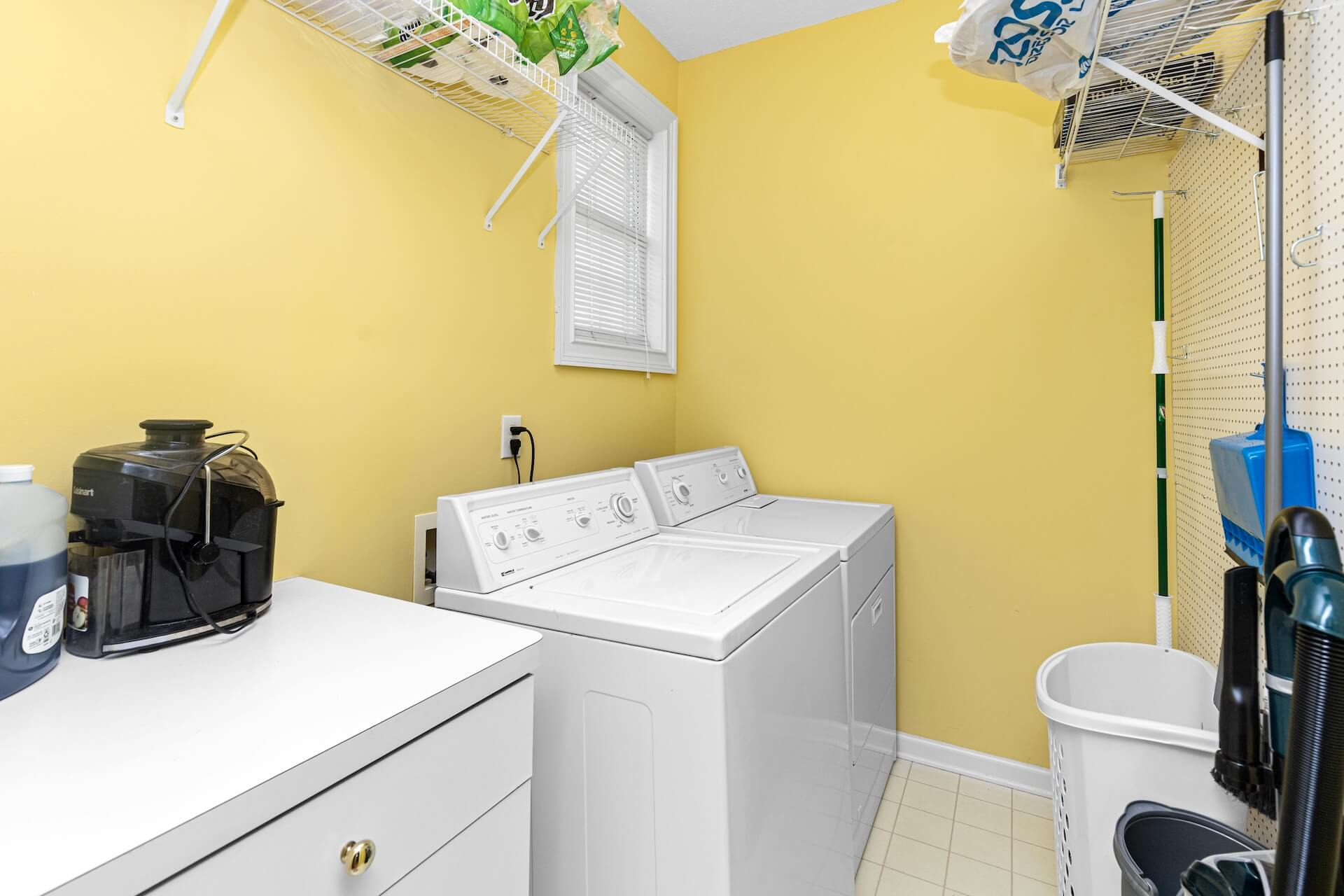
Turning garments inside out before placing them in the machine is the single most effective way to prevent surface friction and fading. Always wash in cold water using a gentle cycle, which is less abrasive than hot water on synthetic uniform fibers. Overloading the washer prevents clothes from moving freely, leading to poor cleaning and potential damage to buttons or zippers.
Avoid over-drying uniforms in the dryer, as high heat is the primary cause of fabric shrinkage and premature breakdown. Remove garments while they are still slightly damp and hang them to finish drying; this naturally helps reduce wrinkles and saves energy. If using a dryer, utilize a lower heat setting to protect the elasticity and color of the uniform fabrics.
Basic Mending: Fixing Buttons and Simple Seams
When a button falls off, resist the urge to discard the garment or wait for a professional repair. A simple sewing needle and matching thread are sufficient to secure a button back in place in a matter of moments. To ensure longevity, use a small amount of clear nail polish on the thread knot after sewing to prevent it from unraveling.
For seam tears, use a straight stitch along the original seam line, matching the tension of the surrounding fabric as closely as possible. If the tear is in a high-stress area, such as a pocket or a pant crotch, add a second row of stitching to reinforce the area. Basic mending is a practical skill that turns a ruined uniform into a repaired asset in under ten minutes.
With these seven tools and a few simple maintenance habits, school uniforms can easily last the entire academic year and beyond. Focus on quick interventions to prevent minor issues from becoming major repairs, ensuring the wardrobe remains in top condition for your student. Simple, consistent care is the most effective way to keep uniforms looking their best while maximizing value.