
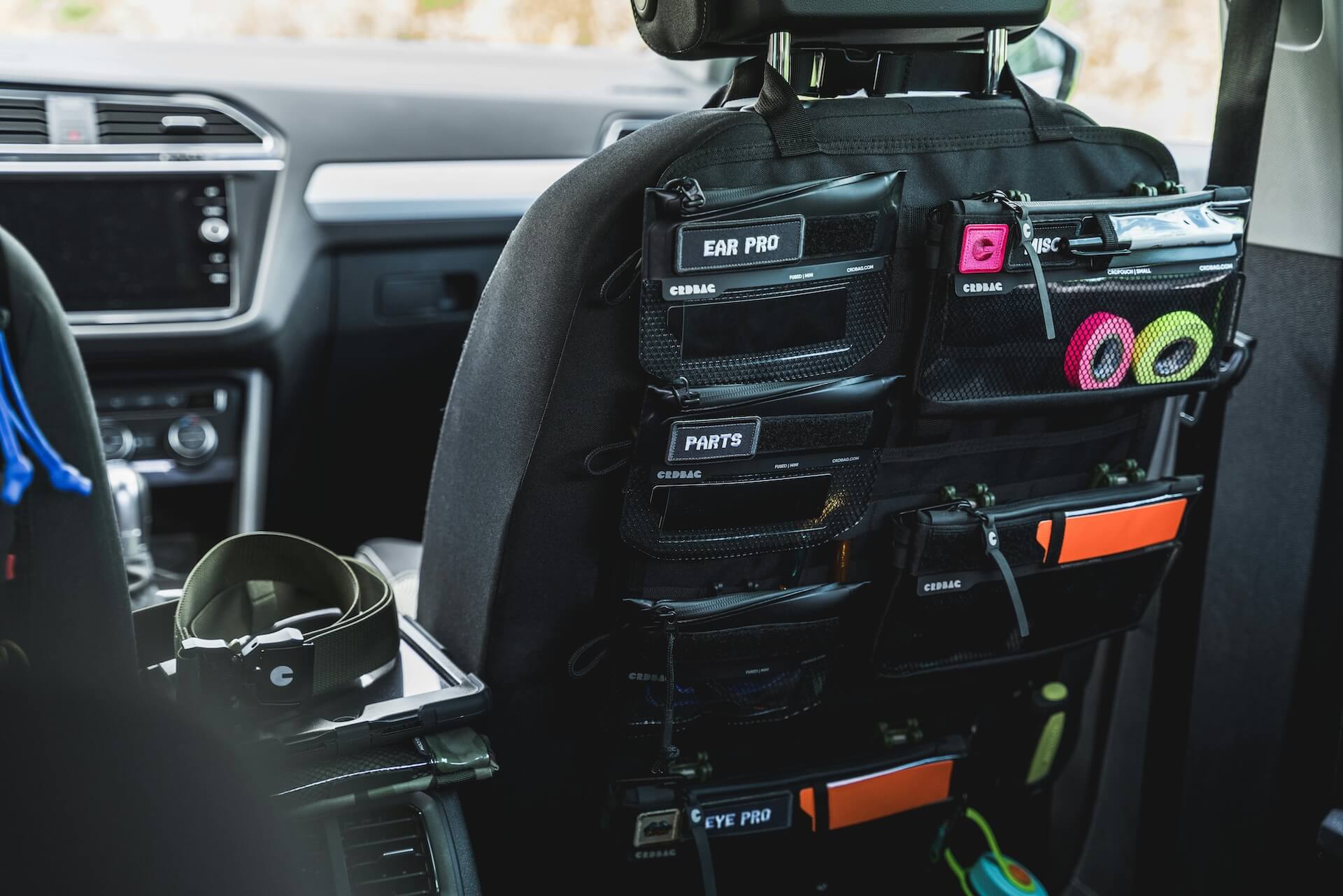
7 Best Portable Glove Kits for Emergency Roadside Kits
Stay prepared on the road. Discover the 7 best portable glove kits for your emergency roadside kit and get yours today!
Staring at a flat tire on a rainy evening serves as a harsh reminder that roadside preparedness is non-negotiable. Roadside kits are only as effective as the tools inside them, and a reliable pair of gloves is essential for keeping hands clean and safe during unexpected mechanical failures. Equipping a vehicle with the right hand protection ensures that small maintenance tasks do not turn into major headaches.
Mechanix Wear Original: All-Around Dexterity
Whether changing a tire or tightening a loose battery terminal, dexterity is the most important factor in a roadside emergency. The Mechanix Wear Original is widely considered the industry standard because it balances protection with the tactile sensitivity required for fine motor tasks.
These gloves feature a synthetic leather palm that resists abrasion while remaining thin enough to feel individual lug nuts. The breathable material prevents hands from sweating during stressful roadside situations, which helps maintain a steady grip.
For the average homeowner, these offer the best balance of comfort and utility. They are durable enough to survive years of storage in a trunk while remaining comfortable for anyone to slip on quickly.
Gorilla Grip All-Purpose: For No-Slip Handling
Roadside emergencies rarely happen in ideal weather, meaning surfaces are often slick with rain, oil, or road salt. Gorilla Grip gloves specialize in providing a superior, high-friction surface that prevents tools or heavy vehicle parts from slipping out of the hand.
The specialized coating on the palms and fingers provides an aggressive grip without the bulk associated with heavy-duty leather options. Because they are lightweight and flexible, they do not feel cumbersome when stuffed into a small glove box or emergency bag.
These are an excellent choice for households in humid or rainy climates. The superior grip ensures that wet lug wrenches or jack handles remain firmly in control, even when fingers are cold or wet.
AMMEX Gloveworks HD: Best for Greasy Repairs
Sometimes a roadside issue involves messy fluids like motor oil or transmission grease. While fabric gloves absorb these liquids, heavy-duty nitrile gloves like the AMMEX Gloveworks HD provide an impenetrable barrier.
These disposables feature a diamond-textured pattern that enhances grip, even when the fingers are coated in oil. Because they are discarded after use, there is no risk of transferring grease into the car interior or onto clothing after the repair is complete.
Keeping a small stack of these in a plastic bag ensures clean hands regardless of the mess. They are the most space-efficient option for those who prioritize cleanliness and quick, one-time use functionality.
Ironclad General Utility: Built for Tough Jobs
Some vehicle repairs require more than just a quick fix; they might involve moving heavy debris, clearing branches from a road, or handling rough metal components. The Ironclad General Utility glove is designed for these high-stress moments where tear resistance is the primary concern.
These gloves feature reinforced fingertips and knuckle protection that shields the hands from sharp metal edges or hot engine components. While they are thicker than other options, they provide a level of security that brings peace of mind during more intensive roadside interventions.
Investing in a pair of these is a smart move for homeowners who perform their own basic car maintenance. They bridge the gap between simple roadside comfort and the rugged requirements of heavy-duty labor.
Carhartt Insulated Glove: For Cold Emergencies
A flat tire in the middle of a winter blizzard is a significantly different challenge than one in the summer sun. Cold weather stiffens hands, making it difficult to operate jacks or handle metal tools, which is where a dedicated insulated glove becomes vital.
Carhartt’s insulated work gloves feature internal lining that traps heat while maintaining a durable outer shell. These are essential for residents in northern states where sub-freezing temperatures can make a 15-minute tire change dangerous.
While they take up more space in an emergency kit, the protection from frostbite and the ability to maintain dexterity in extreme cold is well worth the storage trade-off. Ensure they are kept in a dry area of the vehicle to prevent moisture from compromising the insulation.
SAS Raven Nitrile: Puncture-Resistant Disposables
Standard thin latex or nitrile gloves often rip the moment they touch a sharp piece of metal on a car chassis. The SAS Raven series offers a thicker, high-strength nitrile construction specifically engineered to resist punctures during automotive work.
These are an ideal secondary option to store alongside a reusable pair of leather gloves. If a task is particularly filthy, slip these on first, then put the leather gloves over them for a “double-glove” setup that keeps skin clean and provides physical protection.
They come in compact dispenser boxes that fit neatly into most trunk organizers or spare tire wells. For households with multiple drivers, maintaining a supply of these ensures everyone has access to sanitary protection.
First Aid Only Pouch: Easiest Grab-and-Go Kit
For those who prefer not to build a kit from scratch, a pre-packaged pouch is the most practical solution. The First Aid Only kits typically include basic disposable gloves alongside bandages and antiseptics, providing a comprehensive start for emergency needs.
These kits are designed for convenience and are sized to fit into door pockets or small compartments. While the included gloves may not be as rugged as professional work gloves, they are perfect for basic roadside cleanups.
These are the best choice for renters or those with limited storage space who want an “all-in-one” solution. They remove the guesswork of shopping and ensure that basic protection is always within reach.
Disposable vs. Reusable: Which Glove is Right?
The decision between disposable and reusable gloves often comes down to the frequency of use and the available storage space. Reusable gloves offer better protection and long-term value, while disposables offer superior cleanliness and zero maintenance.
- Choose Reusable if: You perform your own oil changes, live in a harsh climate, or want a one-time purchase that lasts for years.
- Choose Disposable if: You prefer a “clean hands” experience, have very limited storage space, or rarely handle mechanical repairs yourself.
Most households find the best success by keeping a pair of high-quality work gloves for heavy lifting and a small pack of nitrile gloves for quick, clean-up tasks. This combination covers every scenario from changing a tire to checking fluid levels.
How to Properly Store Gloves in Your Vehicle
Storing gloves correctly is just as important as choosing the right pair. Avoid leaving gloves in direct sunlight on the dashboard, as UV rays can degrade synthetic materials and weaken the fabric over time.
Instead, utilize a designated emergency roadside bag or a hard-shell container in the trunk. If keeping gloves in a vehicle for long periods, check them every six months to ensure they haven’t developed mold or become stiff from temperature fluctuations.
Proper storage prevents the frustration of reaching for a glove only to find it shredded or unusable. Keeping them in a sealed plastic bag within the kit will protect them from moisture and road grime.
Nitrile, Leather, or Fabric: Which is Best?
Nitrile provides a chemical-resistant barrier, making it perfect for handling oils and fuels. Leather, specifically synthetic or cowhide, offers the best abrasion resistance for tasks involving metal parts, heavy lifting, or rough terrain.
Fabric gloves with rubberized grips are the middle ground, offering breathability and comfort for general handling tasks. Selecting the right material depends entirely on the type of risks faced during a standard commute.
For the average driver, a hybrid approach works best. Invest in one sturdy pair of synthetic leather gloves for your primary roadside kit and tuck a small bundle of heavy-duty nitrile gloves into the pocket for messy fluid checks.
Choosing the right roadside glove is a simple but impactful step toward vehicle self-reliance. By selecting protection that fits the specific needs of your climate and mechanical comfort level, you ensure that every emergency is handled with confidence. Always prioritize storage that keeps your gear dry and accessible, and you will be ready for whatever the road brings.
