7 Best Stackable Recycling Bins for Small Laundry Rooms
Maximize small laundry rooms with our top 7 stackable recycling bins. Declutter efficiently & go green today!
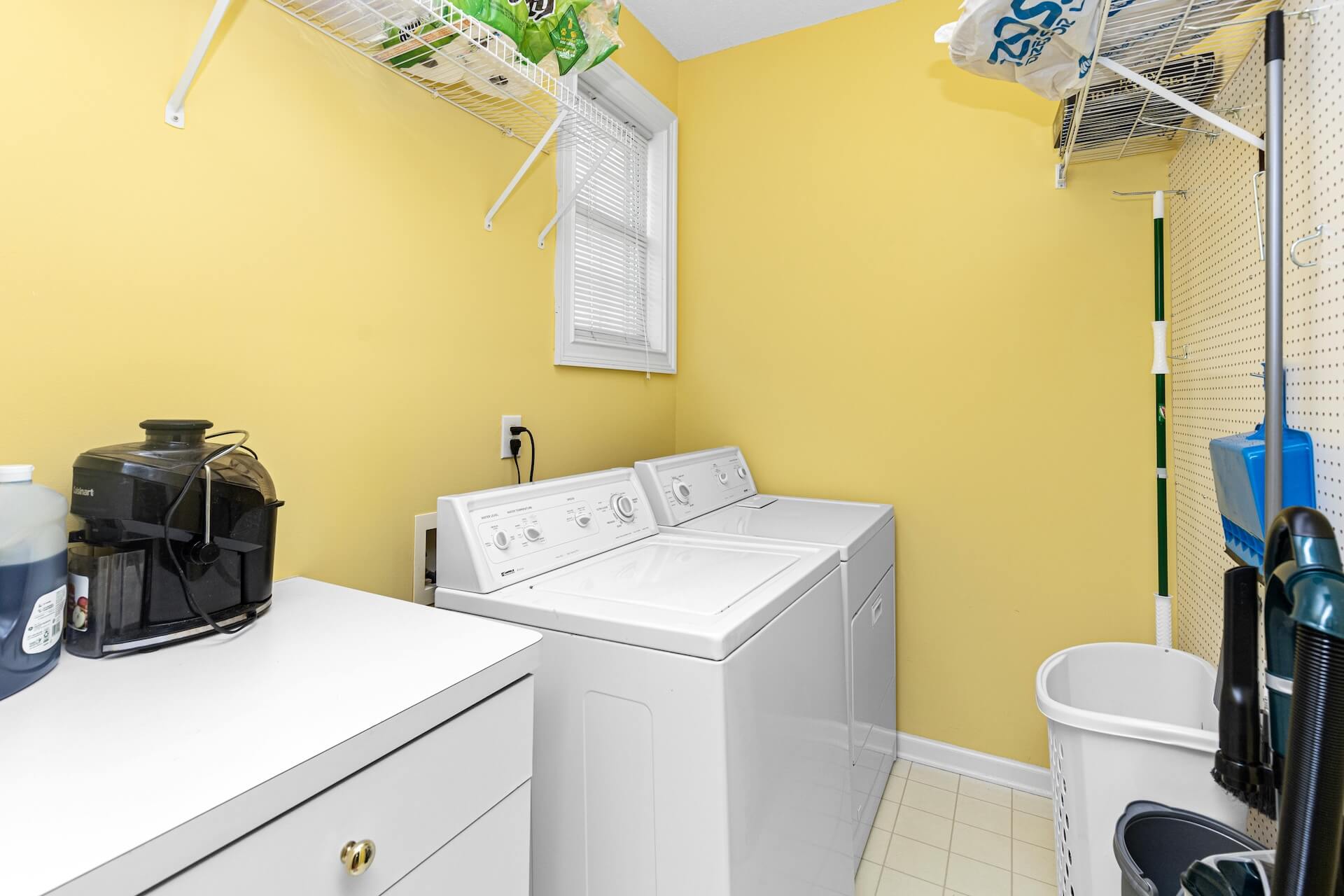
Laundry rooms are often the hardest working, smallest spaces in a home, frequently doubling as mudrooms or pantry overflow areas. When square footage is at a premium, recycling bins can easily become obstacles rather than organizational tools. Selecting the right stackable system turns a cluttered corner into a streamlined sorting station that actually works with the flow of a household.
Rubbermaid Slim Jim: The Best for Tight Corners
The Slim Jim design is a staple in professional settings, and that same space-saving engineering makes it ideal for residential laundry rooms. Its tall, narrow profile allows it to slide into slivers of space between a washing machine and a wall or a utility sink and a cabinet. Because it is designed for heavy-duty use, it handles the daily grind of paper and plastic without buckling.
While these bins are more expensive than basic plastic totes, the investment pays off in durability and footprint. The narrow base ensures you lose almost zero floor space, which is critical in tight laundry closets. If your laundry area is narrow, prioritize this model for its unmatched ability to maximize vertical storage in cramped conditions.
Suncast Stacking Bins: An Easy, Affordable System
For households looking to organize recycling without a significant financial commitment, the Suncast stacking system offers a straightforward solution. These bins are lightweight and modular, allowing for a custom stack that matches the height of your specific laundry shelving. They are particularly effective for families who separate paper, glass, and plastic into distinct streams.
Because they are made of lighter plastic, they are best suited for dry goods like newspapers, cardboard, or empty plastic jugs. Heavy items like glass bottles may cause the lids to strain or the stacks to become unstable over time. Choose this system if you need a budget-friendly way to maintain order in a low-traffic laundry room.
Sterilite 25-Quart Bins: A Classic, Reliable Choice
Sterilite bins are likely already present in most American garages or basements, and their 25-quart stackable range is a perfect size for laundry room sorting. They provide a predictable, uniform shape that makes stacking safe and stable. Since these bins are inexpensive and easy to find, replacing one that cracks or becomes too dirty to clean is rarely a logistical headache.
These are best for households that prefer a “no-frills” approach to recycling. They lack fancy sorting mechanisms, but they offer deep, open-top access that is ideal for tossing in empty detergent bottles or shipping boxes. Utilize these when you want to avoid over-complicating the system and prefer a standardized look across your storage area.
Toter Stacker Bins: For Heavy Glass and Bottles
If your recycling routine involves a high volume of glass jars and heavy metal cans, standard thin-walled plastic bins will often fail. Toter bins are constructed with a more robust material that handles significant weight without distorting or collapsing. They are designed for industrial-level durability, ensuring your stack remains upright even when filled to capacity.
These bins usually feature a wider mouth for easier dropping of recyclables, which prevents the frustration of jammed bottles. While they have a larger footprint than slimmer models, the trade-off is superior structural integrity. Opt for Toter bins if your laundry room doubles as a heavy-duty staging area for glass collection before trips to the recycling center.
United Solutions Bins: Simple, No-Fuss Sorting
United Solutions focuses on the essentials, providing bins that are designed specifically for quick, intuitive use. Their stackable designs often feature front-swing doors, which allow you to toss items into the bin without having to dismantle the entire stack. This feature is a game-changer when you are holding a pile of laundry in one hand and an empty bottle in the other.
These bins work exceptionally well in homes with children or busy schedules, as the accessibility removes the hurdle of lifting heavy lids. The construction is middle-of-the-road in terms of thickness, making them a balanced choice for average household waste. They represent the best intersection of price, convenience, and functional design for the average homeowner.
IRIS USA Stacking Bins: Clear Bins for Quick Checks
Clear bins offer an immediate visual advantage: you can see exactly when a bin is nearing capacity. The IRIS USA stacking series is popular because it eliminates the guesswork of checking if a bin is full, preventing overflows on laundry room floors. This transparency is particularly helpful in busy households where multiple people share responsibility for taking out the recycling.
The plastic used in these units is generally rigid, providing a satisfying “click” when stacked securely. However, because they are clear, they can look messy if your recycling is mismatched or heavily soiled. Choose these if your household appreciates visual cues and needs to monitor recycling levels at a glance.
Joseph Joseph Totem: Best All-in-One Space-Saver
The Joseph Joseph Totem is a premium, all-in-one solution that integrates multiple bins into a single, vertical unit. It combines recycling, general trash, and sometimes even a food waste caddy into one sleek footprint. This is the ultimate choice for a high-end laundry room or a laundry area that is visible from a hallway or kitchen.
While the price point is significantly higher than standalone bins, the space saved is substantial. It functions as a single piece of furniture rather than a collection of plastic boxes. If you are struggling with a lack of floor space and want a permanent, high-quality solution that looks intentional, this is the most effective choice.
How to Measure Your Space for Stackable Bins
Before making a purchase, use a tape measure to account for more than just the floor footprint. You must consider the “swing space” required to open lids or the height required to slide an item into a front-loading door. Measure from the floor to the lowest hanging shelf or cabinet to ensure your stack height won’t be blocked.
- Floor Depth: Ensure the bin doesn’t block the path to the washing machine door.
- Vertical Clearance: Always leave at least two inches of space above the top bin for easy access.
- Door Clearance: Check if the laundry room door hits the bins when swung fully open.
Front-Loading vs. Top-Loading: Which Is Better?
Top-loading bins are simpler and more durable, as they have fewer moving parts like hinges or flaps. They are ideal for bins that sit on the floor or bottom tier of a stack where you can easily reach the top. However, they are inconvenient if they are stacked high, as you would have to unstack the top bin to get to the bottom one.
Front-loading or “door” style bins are superior for vertical stacks. They allow you to add items to any bin in the tower without moving the others. Choose a front-loading style for your mid-level and top-level bins, and reserve top-loading bins for the base or for locations where you have plenty of clearance.
Keeping Your Recycling Bins Clean and Odor-Free
Even clean recycling can develop smells over time due to leftover liquid in bottles or residue from food cans. Rinse every single item thoroughly before placing it in the bin; a quick rinse saves hours of cleaning time later. If a bin does become sticky, spray it down with a simple mixture of white vinegar and water, then wipe it clean with a microfiber cloth.
To manage odors, place a small baking soda pack or a charcoal odor absorber at the bottom of the bin before adding your first layer of recyclables. These small additions neutralize smells before they permeate the laundry room. Regular maintenance is the key—wipe the exterior of your bins every time you clean your laundry room floor to prevent dust and detergent residue from building up.
Selecting the right stackable system depends entirely on your specific space constraints and the volume of recyclables your household generates. By prioritizing a system that fits your daily routine rather than chasing the most expensive option, you will create a laundry area that remains functional and organized for years to come.