
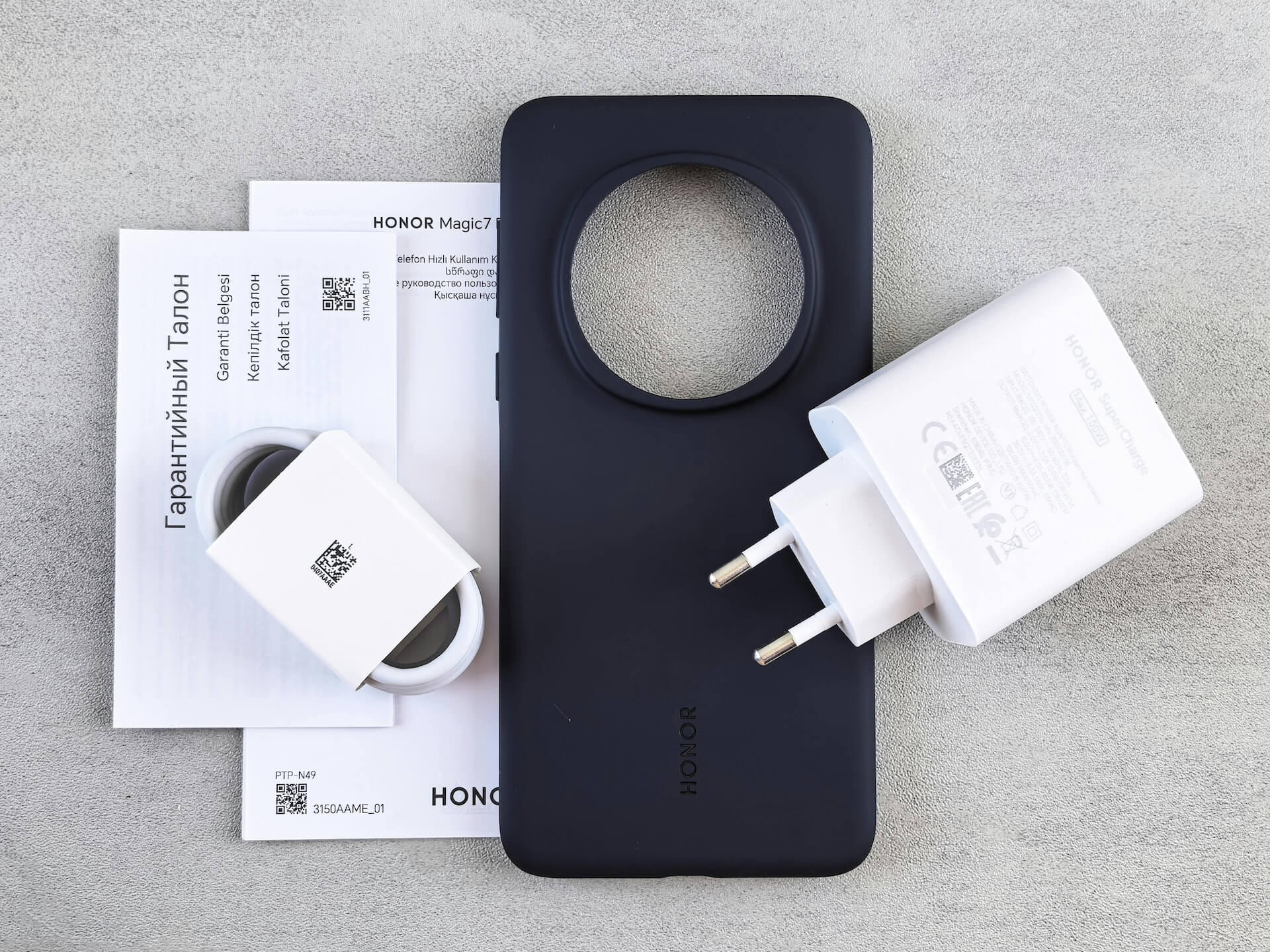
5 Best Phone Cases for Medical Alert Devices
Protect your phone without risking your safety. Discover 5 cases designed to avoid signal interference, ensuring your medical alert device stays connected.
You’ve finally set up your parent with a new smartphone and a medical alert button that pairs with it, giving everyone peace of mind. But after you put a new, super-protective case on the phone, you notice the alert device keeps disconnecting. The very accessory meant to protect the phone might be compromising the safety net you worked so hard to build.
Why Your Case Might Block a Medical Alert Signal
Most modern medical alert systems, especially the mobile ones, rely on a Bluetooth connection between a wearable button or pendant and an app on a smartphone. This connection is what allows a call for help to be sent through the phone’s cellular network. Think of that Bluetooth signal like a quiet conversation; if you put a thick wall between the two people talking, the message gets muffled or lost entirely.
The same principle applies to your phone case. Certain materials are notorious for interfering with wireless signals. The biggest culprits are cases with metal components, like aluminum frames or decorative plates. Magnets, often found in wallet-style folio cases or some car mounting systems, can also disrupt the low-power connection that Bluetooth relies on. Even exceptionally thick, multi-layered cases made of dense rubber and hard plastic can weaken the signal, reducing the effective range between the user and their phone.
It’s a common misconception that any "tough" or "protective" case will cause problems. The issue isn’t durability itself, but the specific materials and design used to achieve it. A well-designed protective case made from polycarbonate and TPU (thermoplastic polyurethane) will be far more reliable for signal transmission than a slimmer case that happens to have a metal kickstand. The goal is to find a case that protects the phone from drops without building a signal-blocking fortress around it.
Key Features for Alert-Compatible Phone Cases
When you’re shopping for a case to use with a medical alert device, shift your focus from just drop-protection ratings to signal-friendly features. This ensures the phone is both physically safe and electronically reliable. The most important factor is the material. Look for cases made primarily of silicone, TPU, or polycarbonate, as these materials have minimal impact on wireless signals.
Next, consider the design. Simpler is often better. Single-piece, slim-profile cases are generally a safer bet than complex, multi-part cases that might have hidden metallic or magnetic elements. Specifically avoid cases with:
- Built-in metal plates for magnetic car mounts.
- Magnetic clasps or closures, common in folio or wallet styles.
- Full metal frames or bumpers.
Finally, think about the user’s daily routine. A case with a good grip can prevent the drops you’re worried about in the first place, which is especially important for users with arthritis or dexterity challenges. The case should also allow for easy access to the charging port and buttons without a struggle. The best choice balances robust protection, signal transparency, and everyday ease of use.
OtterBox Symmetry for Slim, Reliable Protection
For the household that needs serious drop protection but is wary of the signal-blocking bulk of traditional heavy-duty cases, the OtterBox Symmetry series is a fantastic solution. This line strikes a careful balance, offering much of the brand’s trusted impact absorption in a design that is surprisingly slim and pocket-friendly. It’s a great choice for an active senior who is just as likely to drop their phone in the garden as they are in the kitchen.
The Symmetry case is constructed from a dual-material blend of synthetic rubber and polycarbonate. This combination is effective at absorbing shock from falls, yet it contains no metal, making it transparent to Bluetooth signals. This means you get the peace of mind that comes with the OtterBox name without compromising the vital link to a medical alert pendant.
The main tradeoff here is cost. OtterBox cases sit at a higher price point than many competitors. However, for many families, the investment is worth it for a product that reliably protects an expensive smartphone while ensuring a life-saving connection remains stable. It’s a practical choice that prioritizes both device safety and personal safety.
Spigen Liquid Air: Lightweight and Unobtrusive
If the primary user of the phone finds bulky cases to be heavy, uncomfortable, or difficult to handle, the Spigen Liquid Air is an excellent, budget-friendly option. This case is designed for someone who wants protection from everyday scratches and minor bumps without adding any significant weight or size. It’s ideal for an older adult who keeps their phone in a purse or a small pocket and values a lightweight feel above all else.
The Liquid Air is made from a single, flexible layer of TPU. This material is not only great for shock absorption on a small scale, but it’s also completely neutral to wireless signals, ensuring a clear and uninterrupted Bluetooth connection. The case features a subtle geometric pattern on the back that adds a surprising amount of grip, helping to prevent the phone from slipping out of a hand.
Of course, a slim, single-layer case like this won’t offer the same level of protection from a major fall as a more robust, multi-layer case. The tradeoff is clear: you are prioritizing a slim profile, light weight, and signal integrity over maximum drop protection. For many users whose phones rarely face high-risk situations, this is a perfectly sensible and highly effective compromise.
Speck Presidio2 Grip for Secure, Easy Handling
For many, the best way to protect a phone is to not drop it in the first place. This is where the Speck Presidio2 Grip excels. It’s designed for the person whose primary concern is secure handling, which is a critical need for anyone with limited grip strength or dexterity. A secure grip not only protects the phone but also ensures the user can confidently handle the device that runs their medical alert app.
The standout feature is the set of raised, angled rubber ridges that cover the back and sides of the case. These ridges provide a confident, non-slip hold that is unmatched by smooth cases. Beyond the grip, the case is built with "Armor Cloud" technology—air capsules that compress on impact—providing excellent drop protection without using signal-blocking materials. It’s a perfect fit for a user who is often on the move and needs to pull their phone out with one hand.
The practical tradeoff with the Presidio2 Grip is that the textured surface can sometimes catch on the fabric of tight pockets, making it slightly less convenient to slide in and out. Aesthetically, the ridged look isn’t for everyone. However, from a functional safety standpoint, the enhanced grip is a powerful feature that directly contributes to the reliable operation of a mobile medical alert system.
Apple Silicone Case for Seamless iPhone Integration
If the medical alert user has an iPhone, choosing an Apple-branded Silicone Case can eliminate a lot of guesswork. These cases are designed by the same engineers who designed the phone, ensuring a perfect fit and seamless compatibility with all of the device’s wireless functions, including Bluetooth. This is the go-to choice for the household that values simplicity and wants an accessory that is guaranteed to work right out of the box.
Made from a soft-touch silicone with a microfiber lining, the case provides good protection against everyday scuffs and minor drops without adding much bulk. Because it’s designed to Apple’s exact specifications, you can be confident that it won’t interfere with any of the phone’s antennas. While it is MagSafe compatible, the magnets used are precisely placed and shielded to work with Apple’s ecosystem, making them less likely to cause interference than poorly designed third-party magnetic cases.
The downside is primarily the price; Apple’s cases carry a premium cost for the brand name and perfect integration. They also offer solid, but not best-in-class, drop protection compared to more specialized protective brands. You’re paying for the convenience and the certainty that the case itself won’t be the source of any connectivity headaches.
Caseology Parallax for Grip Without Interference
The Caseology Parallax is a fantastic all-arounder that offers a bit of style, excellent grip, and reliable protection at a very reasonable price point. This is the perfect case for the budget-conscious family that doesn’t want to compromise on the core features needed for a medical alert setup. It provides a confident feel in the hand without the aggressive texture of some other grip-focused cases.
This case uses a proven, signal-friendly combination of a flexible TPU body and a sturdy polycarbonate frame for drop protection. Its signature feature is the 3D "Hexa Cube" pattern on the back, which looks good and provides a secure, tactile surface that’s easy to hold. It’s a smart design that balances aesthetics with the practical need for a secure grip.
The Parallax isn’t the slimmest case on the market, nor is it the most rugged. It sits comfortably in the middle, offering a significant upgrade in protection and grip over a basic, ultra-thin case without the bulk or cost of a heavy-duty model. For most everyday situations, it provides the ideal blend of safety, usability, and signal compatibility for a medical alert phone.
Final Checks for Your Phone and Alert Device Setup
Choosing the right case is a huge step, but it’s crucial to verify that everything is working together as a system. Once you’ve installed the new case, take a few minutes to perform some simple but important checks. Don’t just assume the connection is stable.
First, test the connection repeatedly. Open the medical alert device’s companion app on the smartphone and make sure it shows a strong, stable connection to the wearable button or pendant. Trigger a non-emergency test alert if the service provides that feature, following the manufacturer’s instructions carefully.
Second, check the effective range. Leave the phone on a table and walk into another room with the wearable device. See if the connection holds. A signal-blocking case can dramatically reduce Bluetooth range, which could be dangerous if the user has a fall in a different room from their phone. If you notice the connection dropping much sooner than it did without the case, that case is not a safe choice. Ultimately, the goal is dependable safety, and a simple case that guarantees a solid connection is always a better choice than a stylish or ultra-tough one that introduces any doubt.
Choosing a phone case might seem like a small decision, but when it’s part of a medical alert system, it becomes a critical component of a safety plan. By prioritizing signal-friendly materials and a secure grip, you can find a practical solution that protects the device without compromising the connection. The right case provides peace of mind, ensuring that when help is needed, the call can go through.

