
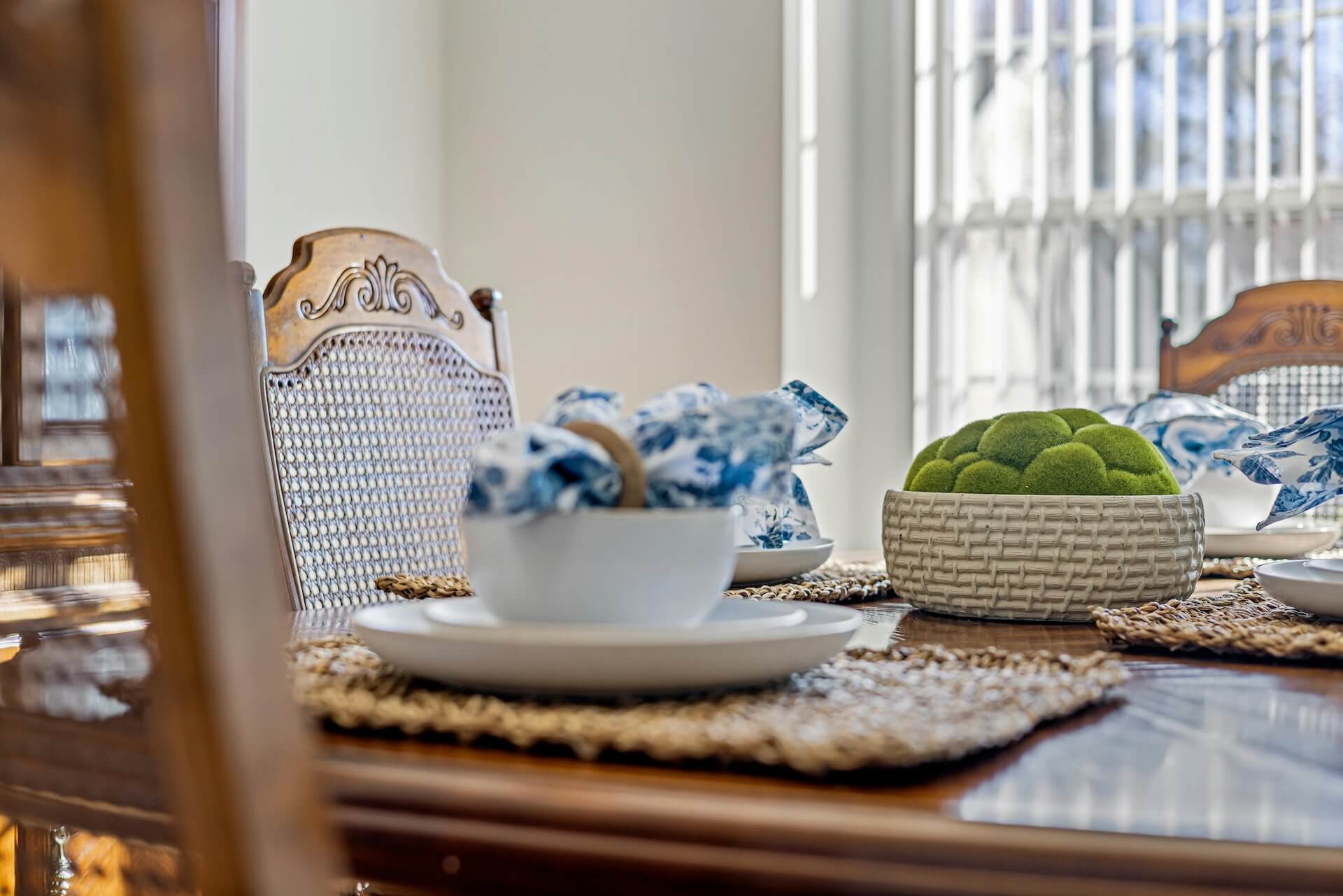
7 Best Fabric Napkins for Everyday Dining That Last
Discover 7 durable fabric napkins for everyday dining that last. Elevate your table and shop now!
The kitchen table serves as the central hub of the home, where family members gather after long days and guests share spontaneous weekend meals. Replacing single-use paper napkins with fabric alternatives reduces waste while adding a touch of warmth to every place setting. Finding the right balance between longevity and ease of care makes the transition to cloth a practical upgrade for any household.
Pottery Barn Classic: Best All-Around Durability
When a household prioritizes longevity, investing in a high-density weave is essential. The Pottery Barn Classic series features a heavy-weight cotton construction that withstands the rigors of weekly wash cycles without losing shape or fraying at the edges. These napkins are designed for families who require a reliable staple that maintains a crisp appearance even after dozens of spins in the dryer.
Because these napkins are thicker than standard options, they offer excellent absorbency for spills and messy meals. While they take slightly longer to dry than thinner fabrics, their structural integrity makes them a standout for high-traffic dining rooms. For those managing a busy home with children or frequent guests, this product provides the necessary resilience to avoid premature replacement.
- Best for: Families needing a workhorse napkin that handles heavy use.
- Trade-off: Longer drying times due to the dense, high-quality fabric.
Crate & Barrel Fete: Best for Hiding Stains
Busy weeknight dinners often involve sauces, condiments, or accidental spills that can ruin lighter-colored textiles. The Crate & Barrel Fete collection utilizes patterns and textures that are specifically engineered to mask minor discolorations. This makes them a superior choice for households where the focus is on practical, stress-free dining rather than pristine, monochromatic settings.
The fabric blend typically strikes a balance between cotton’s absorbency and a synthetic element for color retention. While pure natural fibers are favored by many, these blends are remarkably effective at resisting permanent stains from tomato-based sauces or red wine. Choosing these napkins allows for a relaxed dining experience where a small smudge does not necessitate an immediate trip to the laundry room.
- Best for: Households with active children or frequent, casual entertaining.
- Trade-off: The synthetic blend may feel slightly less organic than pure cotton or linen.
DII Basic Everyday: Best Budget-Friendly Set
Maintaining a large collection of cloth napkins can become expensive when stocking a full dining set for twelve. The DII Basic Everyday line offers an accessible entry point without sacrificing the essential functionality of a standard table napkin. These sets are often sold in bulk, providing enough inventory to keep a clean stack available at all times without constant mid-week washing.
These napkins favor a lighter-weight cotton that is easy to fold and store in tight pantry drawers. While they may require more frequent ironing or pressing to look their absolute best, their affordability is unmatched. They are the ideal solution for renters or young families who want the aesthetic appeal of fabric without committing to a significant financial investment.
- Best for: Large families or those setting up a new home on a budget.
- Trade-off: Requires more diligent pressing to maintain a crisp look compared to premium weighted fabrics.
Williams Sonoma Hotel: Best for a Formal Touch
Occasional dinner parties or holiday gatherings require a refined look that elevates the entire dining table. The Williams Sonoma Hotel line draws inspiration from professional hospitality standards, featuring crisp, tight weaves and classic mitered corners. These napkins provide the structure needed for complex folds, allowing for a sophisticated presentation that looks deliberate and polished.
Despite their elegant appearance, these are designed for frequent use in professional settings, meaning they hold up well to commercial-grade laundering. For the home entertainer, this means they can handle the heat of an iron and regular starched finishes without degrading. They provide a high-end feel that bridges the gap between everyday utility and special occasion grace.
- Best for: Entertaining and those who enjoy a traditional, elegant table setting.
- Trade-off: Premium pricing compared to everyday cotton alternatives.
Kay Dee Designs Chambray: Best Farmhouse Feel
The farmhouse aesthetic relies on textures that feel organic, approachable, and lived-in. Kay Dee Designs utilizes a chambray weave, which offers a soft, heathered appearance that hides wrinkles much better than solid, smooth-finished cotton. These napkins look perfectly at home in a kitchen with rustic decor or a casual breakfast nook.
These napkins are generally lighter and more pliable, making them highly versatile for wrapping around bread baskets or covering rising dough. They possess a casual charm that improves with every wash, softening over time rather than wearing thin. They are the quintessential choice for those who value comfort and a cozy, unpretentious atmosphere in their dining space.
- Best for: Casual, farmhouse-style kitchens where a relaxed look is preferred.
- Trade-off: The thinner material may not be as absorbent as heavier, high-density weaves.
Sur La Table Cotton Twill: Best for Softness
Tactile comfort is a significant factor for families who prefer their napkins to feel soft against the face. The cotton twill construction from Sur La Table provides a substantial weight that drapes beautifully over the lap while maintaining a plush, inviting texture. Unlike stiff, starched options, these napkins are comfortable to use immediately out of the drawer.
The twill weave also contributes to a higher durability profile, as the interlocking fibers are resistant to snags and tears. This makes them a great middle-ground option for those who want both the luxury of a soft fabric and the reliability of a long-lasting product. They are a sensible choice for homeowners who do not want to sacrifice comfort for the sake of utility.
- Best for: Those who prioritize comfort and a soft feel during meals.
- Trade-off: Can be more prone to shrinking if not washed according to the manufacturer’s directions.
Food52 Five Two: Best Modern, Absorbent Pick
Modern kitchen design often emphasizes both function and aesthetic harmony. The Five Two line addresses this by incorporating thoughtful design features, such as increased surface area and high-absorbency fibers, into a contemporary silhouette. These napkins are built to tackle messes efficiently while looking sharp on a modern dining table.
The engineering behind these napkins focuses on how they perform during a meal, ensuring they don’t just look good, but actually do the work required of them. They are exceptionally absorbent, making them ideal for handling spills or heavy-duty cleanup tasks. This is a top-tier choice for those who treat their household tools like high-performance equipment.
- Best for: Users who want a high-performing, modern product that handles messes easily.
- Trade-off: Modern aesthetic may not suit homes with a classic or traditional decor style.
Cotton vs. Linen: What’s Best for Daily Use?
Cotton remains the industry standard for everyday use because of its unmatched balance of cost, absorbency, and machine washability. It stands up to high-temperature drying, which is a major advantage for families prioritizing hygiene. Linen, while prized for its sophisticated texture and natural antimicrobial properties, often requires specialized care and can feel quite stiff without frequent laundering or ironing.
For the average household, cotton is the practical choice for durability and low-maintenance daily care. Linen is best reserved for formal settings or for those who appreciate the unique, rumpled look that develops over time. When choosing between the two, consider whether the priority is a stress-free laundry routine or a specific aesthetic preference.
- Choose Cotton if: You want a low-maintenance, highly absorbent napkin that can be thrown into any load of laundry.
- Choose Linen if: You prefer a natural, sophisticated texture and are willing to handle delicate fabrics with extra care.
A Simple Guide to Washing and Stain Removal
Maintaining fabric napkins does not require complex routines or expensive detergents. For most daily napkins, a standard warm-water cycle with a reliable detergent is sufficient to remove surface dirt and oils. Always avoid fabric softeners, as they leave a residue that reduces the natural absorbency of the fibers over time, essentially making the napkin less effective at its primary job.
For stubborn food stains, treating the area immediately with a gentle stain remover or a paste of baking soda and water is more effective than aggressive scrubbing. If a stain persists, soaking the napkin in an oxygen-based bleach solution before the main wash usually clears it up without damaging the integrity of the fabric. Always dry napkins according to the manufacturer’s instructions to prevent unnecessary shrinkage, and remove them from the dryer while slightly damp to minimize wrinkles.
- Quick Tip: Skip the dryer sheets to ensure your napkins remain as absorbent as the day you bought them.
Folding and Storing Your Everyday Napkins
Efficient storage is key to ensuring that cloth napkins remain a seamless part of the daily routine rather than a chore. A designated drawer or a labeled basket in the dining room encourages regular use by keeping the napkins accessible. Avoid tight, cramped spaces where fabrics can become permanently creased or difficult to retrieve, as this discourages their daily deployment.
While elaborate folds look beautiful for guests, a simple square fold or a neat roll is often the most practical for everyday life. If shelf space is limited, consider using vertical organizers to stack them, which allows for easy selection of a single napkin without disturbing the rest of the pile. Keeping your stash organized in this manner makes the habit of choosing cloth over paper feel like a natural, simple extension of setting the table.
- Best Practice: Store your napkins near the dining area rather than in a distant linen closet to ensure they are always ready for the next meal.
Transitioning to fabric napkins is a small, consistent change that yields long-term benefits for both the environment and the feel of your home. By choosing materials that align with your specific household rhythm—whether that means prioritizing stain resistance, softness, or budget—you ensure that your table remains a welcoming space for every meal. Rely on these practical guidelines to build a collection that serves your family for years to come.
