
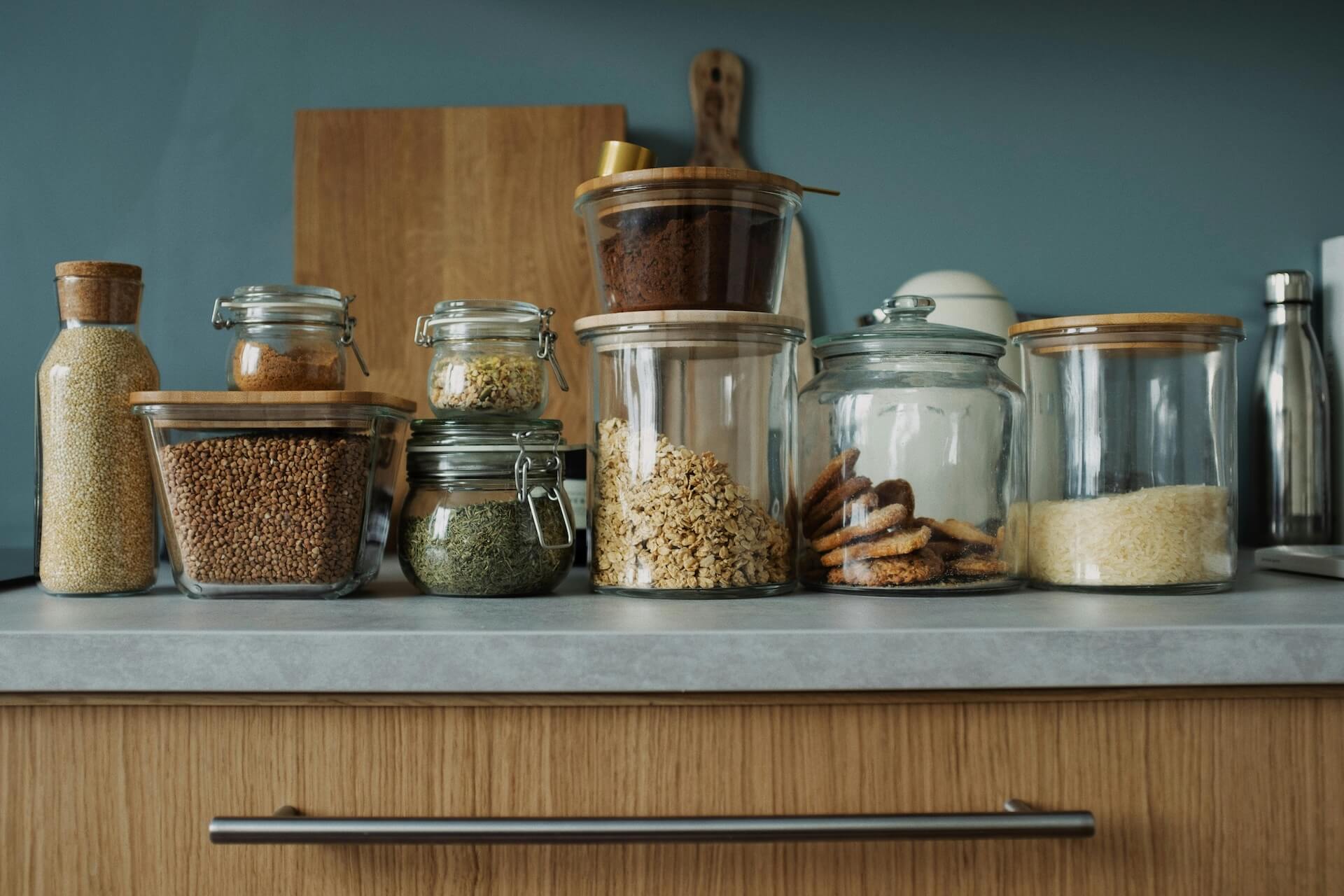
7 Best Stackable Lid Clips For Secure Storage Solutions
Secure your storage! Discover the 7 best stackable lid clips for ultimate organization. Shop now for simple, effective solutions!
A frantic search through a messy kitchen drawer for a matching lid often turns a simple meal prep session into a source of unnecessary stress. Proper storage relies not just on the containers themselves, but on the security and stackability that high-quality lid clips provide. Investing in the right locking mechanism transforms cluttered pantry shelves and refrigerator interiors into organized, efficient spaces.
Gorilla Grip Clips: Best for Heavy-Duty Use
When storing large batches of soups, stews, or bulk dry goods, standard plastic snaps often fail under the weight of a heavy container. Gorilla Grip clips are engineered with reinforced hinge points that maintain a vacuum-tight seal even when the container is jostled. These are ideal for homeowners who frequently freeze meals or utilize large, heavy-duty tubs.
The structural design focuses on high-tension springs, which provide a significantly tighter grip than standard press-fit lids. While this makes them slightly more difficult for small children or those with limited grip strength to open, the security provided prevents the dreaded refrigerator spill.
Bottom line: Choose these if your primary concern is leak prevention and long-term durability for heavy items. They offer peace of mind when moving containers from the freezer to the microwave or across the kitchen.
Prep & Store Variety Pack: Best for Mixed Sizes
Kitchen drawers rarely contain containers of a single size, leading to a disorganized collection of mismatched lids and bases. A variety pack offers a comprehensive solution by providing several clip lengths designed to fit square, rectangular, and round containers. These sets act as an “all-in-one” kit for those who find their cupboards overrun with orphaned lids.
By investing in a single, cohesive system, the visual clutter of a cabinet is reduced significantly. These packs often include universal-fit options that bridge the gap between different brands already present in the home.
Bottom line: If the current kitchen setup is a chaotic mix of various brands and shapes, a variety pack is the most cost-effective way to restore order. It eliminates the need to hunt for specific proprietary clips for each individual container.
EZ-Lock Clips: Best for Everyday Budget Value
Everyday food storage—such as keeping sandwich bread fresh or storing lunch leftovers—does not always require industrial-strength hardware. EZ-Lock clips are designed for households that prioritize affordability and ease of use over extreme durability. These are lightweight, simple to operate, and come at a price point that allows for replacing them whenever they inevitably go missing.
The ease of operation makes them a favorite for families with younger children or elderly members who need accessible, user-friendly kitchen tools. Because they are often sold in bulk, misplacing one or two does not disrupt the functionality of the entire system.
Bottom line: These represent the “workhorse” of the kitchen, perfect for high-volume households that need a reliable, budget-friendly solution for daily tasks. They are best suited for room-temperature or refrigerated items rather than heavy-duty freezer storage.
Glasslock Partner Clips: Best for Glassware
Glass containers are excellent for reheating and health-conscious storage, but they require a specific type of clip to maintain a hermetic seal against the rigid glass rim. Glasslock partner clips are designed with high-heat resistance and specific tension levels that accommodate the non-porous surface of glass. Using the wrong clip on glass often leads to cracks or an incomplete seal that allows food odors to permeate the fridge.
These clips are specifically calibrated to snap firmly onto glass lips without causing chipping or stress fractures. The hinge mechanisms are generally more flexible than those on plastic-only sets, which is necessary to prevent tension-related glass breakage.
Bottom line: For those who have invested in glass storage, do not attempt to use generic universal clips. Use these specialized hardware sets to ensure the longevity of both the glassware and the freshness of the contents.
ColorCode Lid Locks: Best for Meal Prep Sorting
Organization thrives on visual cues, especially when managing a busy week of school lunches or work meals. ColorCode lid locks allow homeowners to assign specific colors to different family members or types of meals, such as vegetarian versus protein-heavy portions. This removes the guesswork from grabbing a container out of a packed refrigerator.
Beyond mere aesthetics, these provide a functional way to track expiration dates or meal cycles. A quick glance at the shelf allows for immediate identification of which meals need to be consumed first.
Bottom line: If the household kitchen resembles a busy command center, color-coded systems turn chaotic storage into a streamlined, logical process. They are worth the extra cost for the time saved during morning routines.
Slim-Fit Lid Savers: Best for Crowded Cabinets
Apartment living or homes with galley-style kitchens often suffer from limited vertical storage and cramped cupboards. Slim-fit lid savers are designed with a low profile that allows containers to nest closely together without the clips getting caught on one another. This design prevents the “domino effect” where pulling out one container knocks over the entire stack.
These clips are often streamlined with a flush-mount profile, eliminating the bulky wings found on heavy-duty models. The trade-off is slightly less leverage when opening, but the space-saving benefits in a tight kitchen are well worth the adjustment.
Bottom line: Prioritize these if storage space is at a premium. They transform overcrowded, messy cabinets into organized, stackable units by reducing the overall footprint of the storage hardware.
Travel-Tite Clips: Best for Potlucks & Transit
Transporting food to a potluck or office event requires extra assurance that spills won’t occur in the car. Travel-tite clips are built with a secondary locking mechanism that ensures the lid cannot be jarred loose during movement. These are the “seatbelts” of the food storage world, providing an extra layer of security for items prone to sloshing, like chili or salads with heavy dressing.
Most models feature a snap-over-snap design, which acts as a safety against accidental opening. While perhaps overkill for leftovers staying inside the house, they are an essential tool for anyone who frequently travels with prepared dishes.
Bottom line: These are a must-have for the home cook who shares meals with friends and family. Keep a small set dedicated strictly to transit-friendly containers to avoid the mess of spilled food.
Will They Fit? Matching Clips to Your Containers
Selecting the right clip is not merely about finding a match; it is about understanding the geometry of the container rim. Before buying, check the “lip” depth of your existing containers, as some clips require a wide surface area to snap onto, while others need a thin, recessed edge. A clip that is too small will pop off, while one that is too large will never create a vacuum seal.
Consider the following when shopping: * Rim Height: Measure the vertical distance of the container lip. * Shape Matching: Square corners often require more flexible plastic than round, seamless edges. * Material Compatibility: Ensure the clip material can handle the expansion of plastic or the rigidity of glass.
Bottom line: Take a single, representative container to the store or measure the rim with a ruler before ordering online. Avoid the frustration of mismatched hardware by prioritizing known brand compatibility.
Plastic vs. Glass: What to Know Before You Buy
The material of the storage vessel dictates the type of clip needed, as plastic containers are prone to warping while glass is susceptible to thermal shock. Plastic containers often expand and contract with temperature changes, necessitating a clip with some degree of “give” to prevent breaking the seal. Conversely, glass stays rigid, so the clip must handle the tension perfectly to prevent chips.
Furthermore, plastic containers may lose their shape over time in the dishwasher, rendering older clips useless. Glassware maintains its shape indefinitely, making the investment in high-quality, long-lasting clips a much wiser decision for glass collections.
Bottom line: Match your clip quality to the longevity of the container. If you are using high-quality glass, invest in premium, durable clips; for budget plastic, stick to cost-effective, replaceable alternatives.
Are Lid Clips Dishwasher and Microwave Safe?
Safety labels are frequently ignored, but the chemical composition of many plastic clips can change when exposed to high heat. While many clips are advertised as dishwasher safe, frequent high-heat cycles will cause the springs and hinges to lose their tension over time, leading to loose lids. Similarly, while some clips are microwave safe, the steam buildup inside a sealed container can push those clips to their absolute limit.
For maximum lifespan, place clips on the top rack of the dishwasher and avoid the “heated dry” setting. If microwaving, always release one side of the clip to allow for steam ventilation, as a fully sealed container can cause the clips to pop off or the plastic to warp from intense pressure.
Bottom line: Treat lid clips as specialized components rather than indestructible parts. Hand-washing or top-rack placement will double their effective life, saving money and frustration in the long run.
Investing in high-quality, well-suited lid clips is one of the simplest yet most effective ways to upgrade the functionality of a kitchen. By matching the hardware to the specific demands of the household, food stays fresh and cabinets remain organized. With these considerations in mind, the journey toward a more efficient, spill-free storage system is well within reach.

