
7 Best Bluetooth Keyboards for Home Office Productivity
Boost home office productivity with our top 7 Bluetooth keyboards. Find your perfect match and upgrade your workspace today!
Whether shifting between professional projects at the kitchen table or settling into a dedicated study, the right keyboard transforms a workspace from a temporary station into a productive hub. A reliable peripheral reduces physical strain and streamlines the daily workflow, making even the longest administrative sessions feel manageable. Choosing the right tool requires balancing personal typing habits against the practical constraints of available desk space and budget.
Logitech MX Keys: Best for All-Day Typing Comfort
For households where the computer serves as the primary gateway for emails, bill paying, and remote work, typing comfort is paramount. The Logitech MX Keys features a low-profile design with spherical dished keys that cradle fingertips, significantly reducing the fatigue that comes with repetitive tasks. Its solid, weighted construction prevents the keyboard from sliding around on smooth laminate or glass surfaces.
Backlit keys that adjust based on ambient light prove especially helpful during late-night projects or in dimly lit rooms. The rechargeable battery eliminates the hassle of hunting for AA batteries, though it does require periodic charging via a USB-C cable. While the price point is higher than basic options, the longevity and tactile response make it a sound investment for heavy users.
Logitech K380: Best for Toggling Between Devices
In a busy home where the tablet is used for research and the laptop for typing, switching inputs can often feel like a juggling act. The K380 allows for seamless movement between three distinct devices with the simple tap of a dedicated button. Its compact, circular key design saves valuable desk real estate without sacrificing the ability to type full sentences comfortably.
Because of its lightweight frame, this model is an excellent choice for those who move their office from the bedroom to the living room frequently. It runs on standard AAA batteries that last for months, sparing users the frustration of constant power management. It is a practical, no-nonsense solution for multi-device households.
Microsoft Designer Keyboard: For a Tidy Workspace
A cluttered desk often leads to a cluttered mind, especially in smaller apartments or shared home offices. The Microsoft Designer Keyboard offers a minimalist, ultra-slim profile that blends into any decor and slides easily into a drawer when the workday concludes. Its sleek aesthetic prioritizes a clean look while maintaining a standard layout that feels familiar immediately.
The connection process is straightforward, focusing on reliability rather than an abundance of secondary features. It lacks the bells and whistles of high-end mechanical boards, but it excels at providing a quiet, unobtrusive typing experience. This is the ideal choice for those who value form and function in equal measure.
Apple Magic Keyboard: The Top Choice for Mac Users
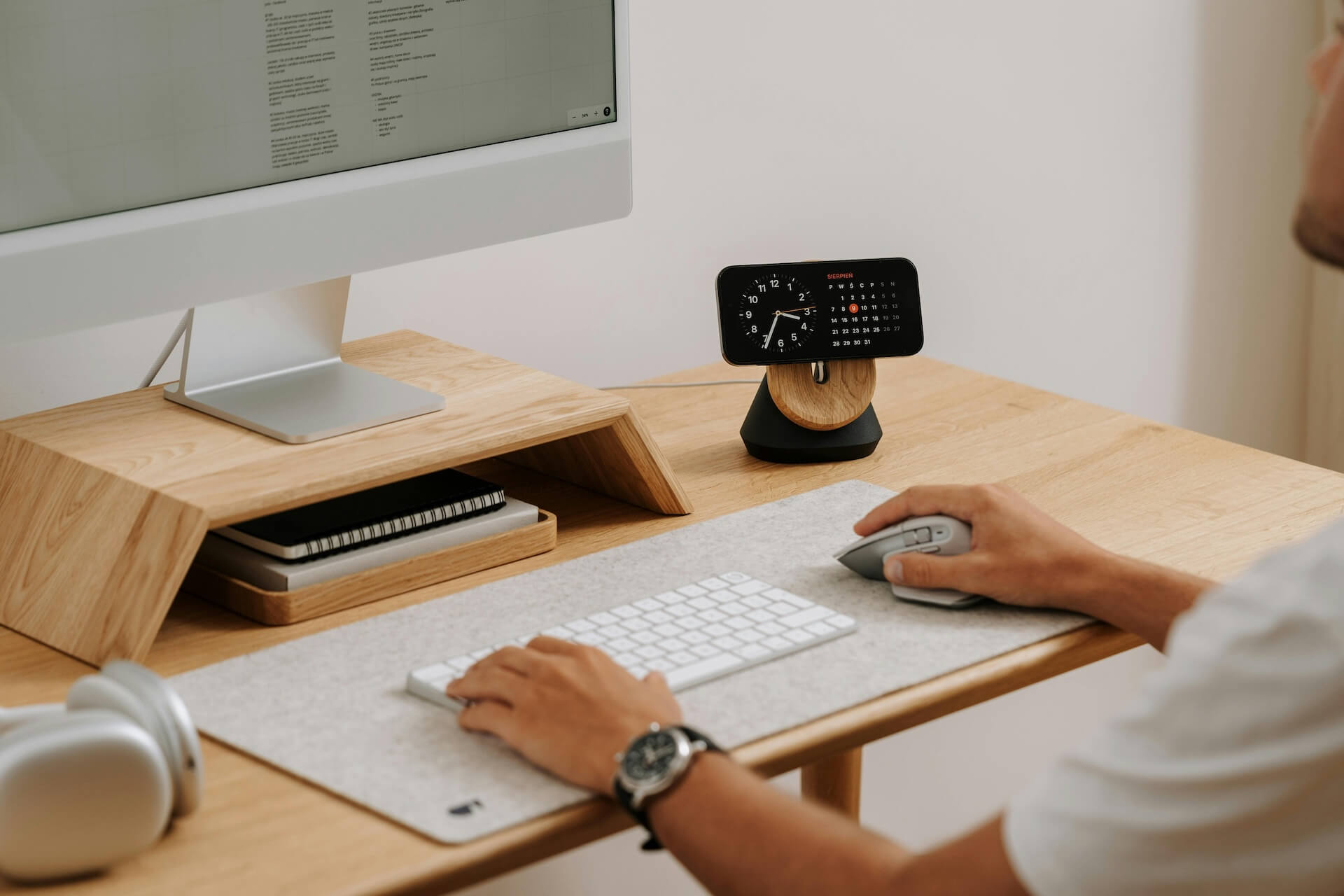
Integration matters when the entire home ecosystem relies on Apple hardware. The Magic Keyboard pairs instantly with Mac devices, providing a seamless experience that feels native to the operating system. Its scissor-switch mechanism offers a crisp, shallow keystroke that many users find perfect for rapid, high-volume typing.
The low profile of this keyboard is particularly helpful for maintaining an ergonomic wrist position, even without a separate palm rest. While it comes at a premium, the build quality ensures it survives years of daily household use. For Mac-centric households, the trade-off is often worth the seamless compatibility.
Logitech ERGO K860: Best for Lasting Wrist Relief
Prolonged hours at the desk can lead to noticeable strain, particularly in the wrists and forearms. The Logitech ERGO K860 utilizes a curved, split-key frame that encourages a more natural hand position, effectively reducing muscle tension. The integrated pillowed wrist rest provides a level of comfort that flat, traditional keyboards simply cannot match.
While the size of this board requires a larger footprint on the desk, the ergonomic benefits are immediate for those prone to discomfort. It requires a slight adjustment period for those used to standard layouts, but the health dividends are significant. It is a preventative tool that prioritizes physical well-being over a compact footprint.
Keychron K2: Best for That Old-School Typing Feel
Many users prefer the audible click and substantial travel distance of a mechanical keyboard for a more satisfying experience. The Keychron K2 provides that nostalgic, tactile feedback while remaining compatible with modern wireless technology. Its slightly thicker profile adds a robust, professional weight to the desk setup.
Customization is the primary draw here, as users can often choose between different switch types to match their preferred resistance. Because it is a mechanical board, it is also easier to maintain and clean than membrane-based alternatives. It is a fantastic choice for those who find typing to be an active part of their productive routine.
Arteck Universal Slim: Best Value for Everyday Use
Not every workspace requires high-end features or specialized ergonomics to get the job done efficiently. The Arteck Universal Slim offers a sturdy, functional solution that works reliably across almost any device. It is remarkably thin and fits perfectly into tight spaces, such as a narrow pull-out keyboard tray or a crowded side table.
The price point makes it an accessible option for students, households requiring multiple keyboards, or those looking for a reliable backup. While the keys are a bit more basic than premium models, the keyboard is surprisingly durable for its cost. It is a prime example of high-utility, low-cost engineering.
Full-Size vs. Compact: Choosing the Right Layout
Selecting a keyboard layout often comes down to the specific tasks performed on a daily basis. A full-size keyboard includes a dedicated number pad, which is indispensable for those handling spreadsheets, home accounting, or heavy data entry. These models are wider and require more desk width, which may be a limiting factor in smaller living spaces.
Compact layouts, sometimes called “tenkeyless,” remove the numeric pad to save space and keep the mouse closer to the keyboard. This adjustment can improve posture by reducing the reach distance for the dominant hand. Evaluate the daily balance of typing letters versus inputting numbers before finalizing a choice.
How to Properly Clean Your New Bluetooth Keyboard
Regular maintenance prevents the buildup of dust, skin oils, and crumbs that can cause keys to stick over time. Always start by turning off the power or removing the batteries to ensure no accidental inputs are registered during cleaning. Use a can of compressed air to dislodge debris from between the keys, holding the keyboard at a downward angle.
For the keycaps themselves, a slightly damp microfiber cloth with a small drop of mild dish soap works wonders for sanitizing surfaces. Never spray cleaner directly onto the board, as moisture can seep into the internal electronics. Instead, apply the liquid to the cloth and wipe gently, followed by a dry cloth to prevent streaks or moisture damage.
Pairing Your Keyboard: A Quick Troubleshooting Guide
Most Bluetooth connection issues are resolved by simply toggling the device’s pairing mode off and back on. If the keyboard is not showing up on the computer, ensure that the batteries are fresh or the device is fully charged. Sometimes, the computer’s own Bluetooth settings menu needs to be refreshed by toggling the Bluetooth switch on the laptop or tablet.
If the keyboard connects but acts sporadically, ensure there are no physical obstacles between the keyboard and the computer. Interference from other wireless devices, like a microwave or a cordless phone, can occasionally disrupt the signal. If persistent issues remain, removing the device from the computer’s list of saved Bluetooth connections and performing a fresh “pair” from scratch almost always fixes the problem.
Finding the right keyboard is about matching a tool to the specific habits of a household, rather than chasing the latest trends. Whether the goal is protecting the wrists, saving space, or simply finding a reliable partner for daily tasks, these options cover the most common needs of the modern home. Prioritize the features that directly improve the daily workflow, and the rest will fall into place.
