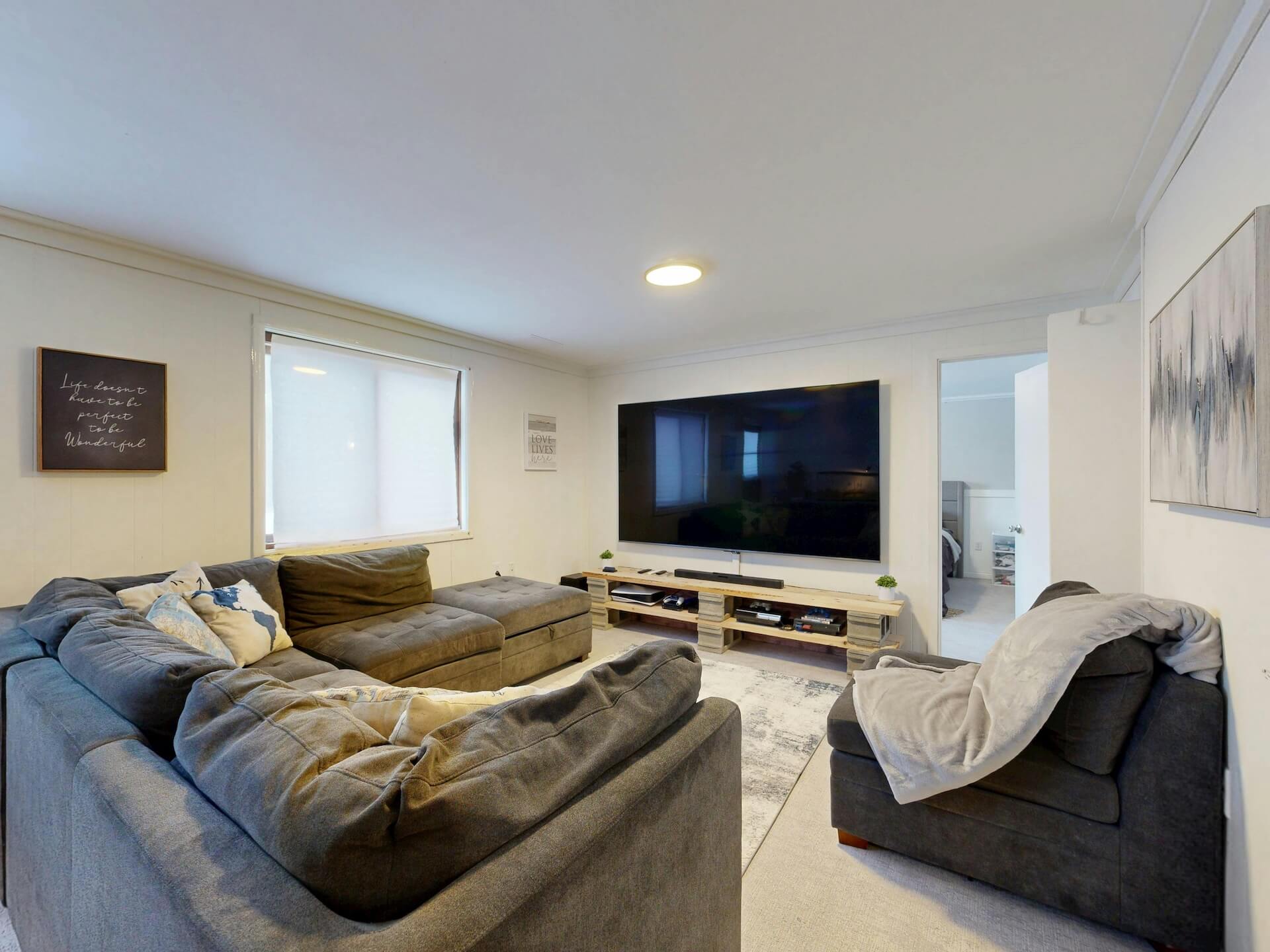
7 Best Paintable Trims For Matching Ceiling Colors
Find perfect paintable trims to match your ceiling color! Discover 7 top options for a seamless look. Shop now!
Achieving a seamless transition between walls and ceilings often comes down to the quality of the transition trim. Selecting the right material ensures that a fresh coat of paint looks professional rather than patched together. This guide simplifies the selection process by categorizing the most reliable paintable trims available for modern households.
Metrie MDF Crown Moulding: Best for a Flawless Finish
Homeowners looking for a smooth, high-end appearance often struggle with the natural knots and grain textures found in cheaper wood options. Metrie MDF provides a consistent, factory-primed surface that accepts paint beautifully, minimizing the need for heavy sanding or multiple coats.
Because this material is engineered from medium-density fiberboard, it resists the warping or splitting that frequently occurs with temperature shifts in seasonal climates. It is an ideal choice for living rooms or bedrooms where a clean, architectural look is desired without the hefty price tag of hardwood.
The tradeoff for this smooth finish is weight; MDF is denser and heavier than plastic or foam alternatives. Ensure that ceiling joists are located for secure fastening, as this trim requires proper backing to remain flush against the ceiling surface.
Royal Mouldings PVC Trim: Ideal for Bath and Kitchen
High-humidity areas like bathrooms, mudrooms, or laundry rooms quickly ruin natural wood or MDF trim through swelling and rot. PVC trim offers a completely waterproof solution that holds up against steam and moisture without ever requiring maintenance beyond a wipe-down.
This material is exceptionally durable, making it a smart choice for households with active children or pets where trim is prone to incidental bumps. It cuts easily with standard woodworking tools, though the surface requires a high-quality bonding primer to ensure the ceiling paint adheres correctly.
While PVC is resistant to moisture, it does not handle extreme heat well. Keep this material away from direct proximity to high-wattage ceiling spotlights or kitchen heating elements to prevent potential sagging or warping over time.
Woodgrain FJ Pine Crown: The Best Value for Real Wood
Many homeowners prefer the warmth and authenticity of real wood for their living spaces. Finger-jointed (FJ) pine provides the structural integrity of natural lumber at a lower cost, as small pieces of high-quality wood are joined together to create long, uniform lengths.
This option is perfect for those who want to eventually paint their trim while maintaining the option to strip and stain it in the future if tastes change. It offers a classic look that complements traditional home architecture and holds up well under standard indoor climate conditions.
Be aware that FJ pine can sometimes have visible joints if the finish coat is thin. Always use a thick, high-hiding primer before applying the final ceiling color to ensure that the grain patterns and joint lines remain completely hidden.
EverTrue Polystyrene Trim: The Lightweight DIY Option
For those working alone or tackling crown moulding installation for the first time, weight is the biggest hurdle. Polystyrene trim is incredibly light, allowing for easy handling and installation using only adhesive and finishing nails, often without needing a helper to hold the boards in place.
This material is an excellent solution for renters or those on a strict budget, as it is inexpensive and can be removed with minimal wall damage later. It is pre-primed and designed to mimic complex profiles that would otherwise be very costly to replicate in wood.
The downside is its vulnerability to physical impact. Because polystyrene is essentially a dense form of foam, a stray broom handle or vacuum nozzle can leave a permanent dent, so it is best reserved for ceilings away from high-traffic movement zones.
Fypon Polyurethane Moulding: For Ornate Ceiling Designs
When a room calls for dramatic architectural detail, standard flat trim often falls short. Fypon offers ornate, intricate profiles made from high-density polyurethane that provide the sharp, crisp look of expensive plaster moulding without the massive installation labor.
This material is remarkably stable and will not expand, contract, or decay, making it a reliable choice for long-term home improvement projects. It is essentially a “set it and forget it” product that remains beautiful for decades once it is properly installed and painted.
Because these pieces are molded to simulate wood or plaster, the edges can sometimes be brittle. Use a sharp, fine-toothed saw and apply the manufacturer-recommended adhesive liberally at the joints to ensure a seamless, gap-free transition that mimics a single continuous piece.
Alexandria Moulding Primed Pine: Ready to Paint Faster
Time is often the most precious resource for busy homeowners managing repairs around a hectic work or school schedule. Alexandria Moulding’s primed pine is manufactured with a factory-applied base coat that is specifically formulated to be ready for the final topcoat immediately.
This saves a significant amount of time and physical labor, as the need for priming individual sections is effectively eliminated. It provides a reliable, mid-range solution that balances the durability of solid wood with the convenience of a ready-to-install product.
Always inspect the boards for straightness before purchasing, as natural wood can occasionally twist or bow during shipping and storage. Pick through the rack to ensure every piece is straight, which will make the actual installation process much smoother.
Flexible Moulding Concepts: Solves Curved Wall Problems
Not all homes feature standard square corners, and curved walls or circular foyer areas often present a frustrating challenge for rigid trim. Flexible moulding is engineered from a specialized polymer that can be bent to match the radius of any curved ceiling line.
This is a niche but essential product for older homes or custom architectural layouts where standard wood or MDF will snap if forced. It paints exactly like traditional trim, allowing it to blend perfectly with the rigid boards used on the straight portions of the room.
These kits are typically more expensive and may require special ordering. Plan for extra lead time when purchasing, and ensure the profile matches your straight trim exactly so the transition between the curved and straight sections remains invisible.
MDF vs. Pine vs. PVC: Picking the Right Trim Material
Choosing the right material requires balancing the specific environment of the room with the physical demands of the project. MDF provides the most consistent finish, pine offers traditional strength, and PVC delivers the ultimate moisture protection for wet areas.
- MDF: Best for dry, climate-controlled spaces where a smooth, painted finish is the priority.
- Pine: Best for classic homes where structural durability and the look of wood are preferred.
- PVC: Best for bathrooms and high-humidity areas where rot is a constant threat.
Consider the household size and daily traffic patterns when choosing. Busy homes with pets or active children may benefit from the impact resistance of wood, while quiet, low-traffic rooms can easily accommodate the cost-effective nature of MDF or polystyrene.
How to Prep Trim for a Perfect Ceiling Color Match
Even the best trim will look unfinished if the prep work is ignored. Before painting, fill all nail holes with high-quality, paintable wood filler and sand them flush to the surface. Any bump or indentation will be magnified once a solid color is applied.
Next, caulk all gaps between the trim and the ceiling. A clean, thin bead of paintable acrylic latex caulk creates a seamless connection, making the moulding look like a natural extension of the architecture rather than an add-on.
Finally, clean the trim with a damp cloth to remove any construction dust or oils. A clean surface allows the paint to bond securely, preventing peeling or premature wear down the line.
Choosing the Right Paint Sheen for Your Ceiling Trim
For many years, the standard rule was to use high-gloss paint for trim, but modern preferences have shifted toward softer finishes. A satin or semi-gloss sheen is currently the most practical choice, as it provides enough durability to be wiped clean without creating an distracting, shiny glare.
If the ceiling itself is painted with a flat or matte finish, using a satin sheen on the trim creates a subtle, intentional contrast. This helps define the room’s perimeter without drawing excessive attention to the trim itself.
When in doubt, use the same paint on the trim as the ceiling for a monochromatic look that makes a space feel taller and more open. If choosing to differentiate, always test a small sample area to ensure the paint finish does not clash with the light quality in the room.
Choosing the right trim involves balancing the physical needs of the room with the desired aesthetic outcome. By selecting a material that suits your specific lifestyle and following proper preparation steps, you can achieve a professional-grade finish that refreshes any space.