
7 Best Tissue Box Covers For Farmhouse Decor Options
Discover 7 farmhouse tissue box covers to elevate your decor. Shop now for rustic charm!
A cardboard tissue box often stands out as the least intentional item in a carefully curated room. Replacing that visual clutter with a intentional cover can instantly elevate the look of a side table, nightstand, or vanity without requiring a major redecoration project. Choosing the right piece bridges the gap between everyday utility and the cozy, welcoming aesthetic of a farmhouse home.
Hearth & Home Barnwood Box: Best Overall Rustic Charm
When a living room features reclaimed wood shelving or neutral, textured furniture, a polished plastic box looks glaringly out of place. The Hearth & Home Barnwood Box uses natural grain patterns to mimic the look of aged fence posts or floorboards. It offers a heavy, stable base that ensures the box does not tip over when a family member grabs a tissue in a hurry.
This choice excels in high-traffic areas like family rooms where durability is non-negotiable. Because the wood is usually sealed with a matte finish, it resists light splashes and wipes down easily. Opt for this style if the room features heavy textures, leather upholstery, or neutral color palettes.
Bottom line: Choose this option for a timeless, sturdy look that blends seamlessly with existing rustic furniture.
Creekview Galvanized Cover: Best for Kitchen & Bath
Kitchen counters and bathroom vanities deal with moisture, condensation, and frequent cleaning, making wood or fabric options risky. A galvanized metal cover brings a touch of industrial farmhouse style while standing up to damp environments. The steel construction is virtually indestructible and can be sanitized with a quick wipe of a damp cloth.
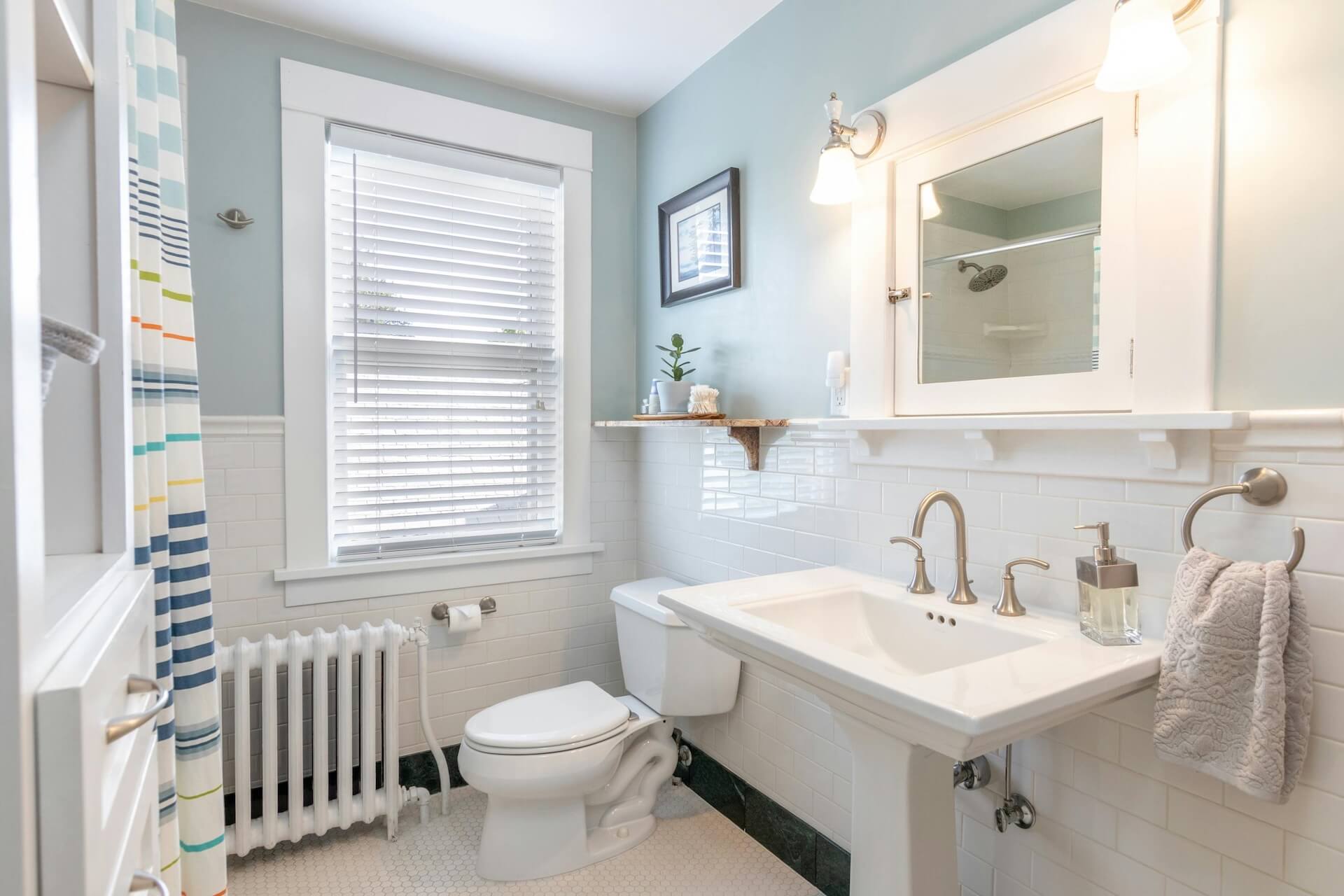
Galvanized steel works exceptionally well in homes with white cabinetry or subway tile backsplashes. The cool, grey tone provides a necessary contrast to warmer wood tones found elsewhere in the house. Ensure the cover features a base plate, as metal boxes can sometimes scratch delicate surfaces if left unprotected.
Bottom line: The galvanized finish is the most practical choice for humid, messy, or water-prone areas.
Prairie Lane Fabric Cover: A Cozy Bedroom Choice
Bedrooms require soft textures to maintain a relaxing, comfortable atmosphere. A fabric tissue cover provides a gentle visual touch that pairs perfectly with quilts, throw pillows, and linen curtains. These covers are typically designed as sleeves that slip directly over a standard boutique-sized cardboard box.
Maintenance is straightforward, as most fabric covers can be tossed in the laundry alongside bedding. For households with children or pets, choose a heavy-duty cotton canvas or linen blend that holds its shape. A simple, neutral-colored fabric prevents the cover from clashing if the bedding or throw pillows are changed seasonally.
Bottom line: Select a fabric cover for a soft, lived-in feel that prioritizes comfort and easy cleaning.
My Simple House Tissue Holder: For a Whimsical Touch
Farmhouse decor thrives on small, charming details that spark interest without overwhelming a room. Holders with whimsical cut-outs—such as star patterns, heart shapes, or vintage typography—add personality to guest rooms or small nooks. These pieces often feature a powder-coated finish that adds character while remaining easy to dust.
While these options are decorative, look for ones with a wide enough opening to prevent the tissues from tearing upon extraction. If the home has a busy aesthetic, a whimsical holder with a clean white or black finish prevents the space from feeling too cluttered. It provides a focal point on a mantle or bookshelf that feels curated rather than generic.
Bottom line: Opt for a design-forward holder to add personality to quiet corners or guest spaces.
Homestead Woven Seagrass: The Best Budget Option
Natural fibers like seagrass or rattan introduce warmth and organic texture to a farmhouse home at a fraction of the cost of heavy wooden pieces. These woven covers work particularly well in sunrooms, breakfast nooks, or near wicker furniture. They add a layer of depth to an otherwise flat-looking surface.
Woven materials are lightweight and flexible, making them ideal for smaller apartments where shelf space is at a premium. Keep in mind that natural fibers can attract dust more quickly than smooth finishes. A soft brush or a vacuum nozzle attachment makes cleaning these simple and effective for a tidy household.
Bottom line: Woven seagrass is the most affordable way to add natural texture and warmth to any room.
Two-Tone Wooden Box: For Mixed Wood Furnishings
Many households contain a mix of oak, pine, and stained wood furniture, which can make matching a single accessory difficult. A two-tone wooden box, featuring a dark stained top and a natural or white base, acts as a neutral bridge between different furniture finishes. It draws the eye and makes a mismatched room feel intentionally coordinated.
Construction quality matters here, so prioritize boxes with mitered joints rather than simple glued edges. A high-quality two-tone box feels like a piece of custom furniture rather than a store-bought accessory. It serves as a great centerpiece for a coffee table where different wood tones often collide.
Bottom line: Use a two-tone box to unify spaces that feature varied wood finishes or textures.
Bless This Home Box: For a Welcoming Entryway
An entryway is the first thing guests see, and having tissues readily available near the front door is a thoughtful touch. A box with subtle, elegant typography or a farmhouse-inspired emblem greets guests and sets a welcoming tone. These pieces are often designed to sit on a console table alongside mail organizers or key bowls.
Focus on a design that is low-profile and sleek to avoid taking up too much room on a narrow entryway surface. Matte finishes in soft creams, light greys, or muted sage greens work best to avoid a loud or overwhelming appearance. Pair this with a small tray to keep the area organized and clutter-free.
Bottom line: A message-based or stylized box is the perfect welcoming addition for high-traffic entry areas.
Matching a Cover to Your Favorite Tissue Box Size
Not all tissue boxes are created equal, and nothing is more frustrating than a cover that is a half-inch too small. Before purchasing, verify whether the cover is designed for a standard rectangular “flat” box or a square “boutique” box. Boutique boxes are taller and often fit better on small side tables or narrow vanities.
If the goal is to store tissues in a specific location, measure the footprint of the area before buying a box with a wide base. Some wooden boxes have thick walls that increase the overall size by an inch or more. Always check the interior dimensions rather than the exterior dimensions listed on the product page.
- Measure the current cardboard box height, width, and length.
- Look for descriptions stating “fits standard boutique box” or “fits flat rectangular box.”
- When in doubt, choose a cover slightly larger than the box, as most have a weighted or friction-fit base to hold the stack in place.
Sleeve vs. Box Style: Which Is Easier to Refill?
The choice between a sleeve and a full box is a trade-off between style and convenience. A sleeve simply slips over the cardboard box, meaning there is no bottom to manage. This is excellent for quick refills, but it may slide around on smooth surfaces or lift up when a tissue is pulled out.
Full boxes—especially those with magnetic or sliding bottoms—feel more substantial and offer a cleaner look. These are worth the extra effort in a formal living room or dining area where the cover remains visible at all times. A sleeve is generally better for a busy household where speed and efficiency are the primary goals.
- Sleeves are lightweight and easier to change but lack weight.
- Bottom-loading boxes look cleaner but require a few extra seconds to refill.
- Consider magnetic closures for the easiest full-box experience.
How to Clean Wood, Metal, and Fabric Covers
Keeping tissue covers clean ensures they remain a permanent part of the home decor rather than a temporary trend. For wooden covers, avoid excess water, which can cause the finish to warp or peel. Simply dust with a dry microfiber cloth and use a light wood polish once every few months to maintain the sheen.
Metal covers, particularly galvanized steel, are the easiest to maintain as they can handle soap and water. Use a damp cloth to remove fingerprints and buff dry to prevent water spots. For fabric covers, check the tag for machine-washability, and always air-dry to prevent shrinkage that would make the cover impossible to fit back onto the box.
- Use a damp, not soaking, cloth for all surfaces.
- Dust weekly to prevent debris buildup inside the tissue opening.
- Avoid harsh chemical cleaners that might strip the finish on wood or metal.
Choosing the right tissue box cover is a small investment that pays off by polishing the look of any room. By balancing the specific needs of the space—whether it is moisture resistance, ease of cleaning, or aesthetic warmth—a homeowner can ensure these everyday items remain both functional and beautiful. Selecting the right fit and style ensures that these touches remain a reliable, long-term feature of the home.
