
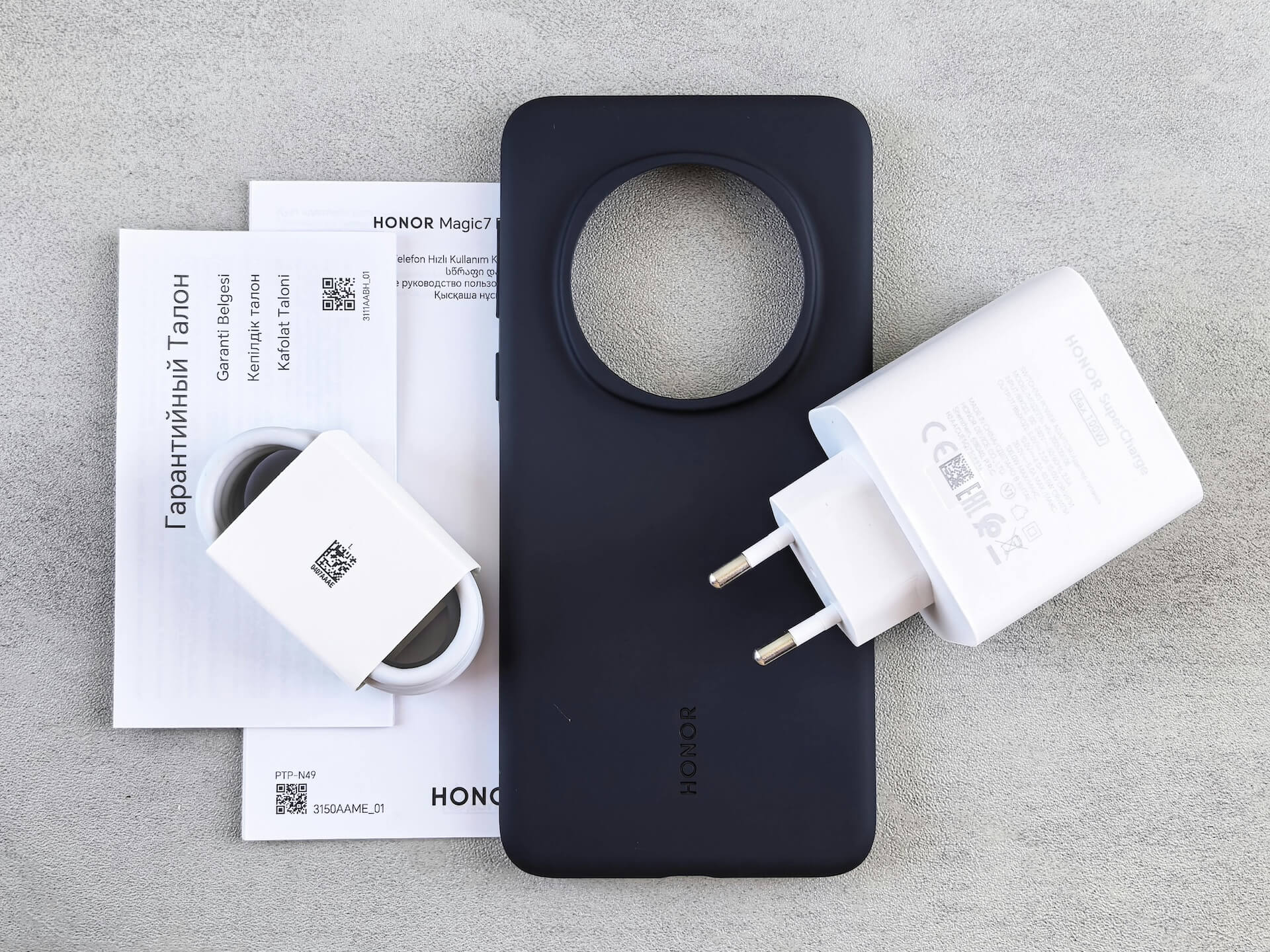
7 Best High Speed Charging Bricks For Gaming Consoles
Level up your gaming! Discover 7 best high-speed charging bricks for consoles. Power up fast & play more. Shop now!
Managing a household filled with gaming consoles often results in a clutter of tangled cords and conflicting power needs near the television. Whether it is a Nintendo Switch needing a quick boost or a wireless controller battery fading mid-session, having the right charging hardware keeps the living room organized and functional. Selecting the correct charging brick ensures devices charge safely and efficiently without taking up unnecessary outlet space.
Anker 735 (65W): Best for Multiple Controllers
When several family members use different handheld consoles or wireless controllers simultaneously, a multi-port charger becomes essential. The Anker 735 utilizes Gallium Nitride (GaN) technology to pack 65 watts of power into a surprisingly small frame.
This brick features three ports, allowing for the simultaneous charging of two controllers and a tablet or a secondary device. Its compact design fits neatly behind media consoles without crowding adjacent outlets.
For households looking to streamline a messy charging station, this unit acts as a central hub. It represents a solid investment in cable management and reliability.
UGREEN Nexode 100W: Power for the Whole Family
Larger households often struggle with a shortage of wall outlets near the entertainment center. The UGREEN Nexode 100W provides enough power to charge high-demand devices like laptops alongside smaller gaming controllers.
The four-port configuration makes it a powerhouse for a shared family space. It effectively replaces the need for a bulky power strip by consolidating multiple charging needs into one sleek brick.
While it carries a higher price point, the efficiency gained in cord management is worth the investment for busy living rooms. It is the practical choice for those who prefer to keep their gaming gear centralized.
Official Nintendo Switch AC Adapter: A Perfect Fit
Reliability is the primary concern when choosing hardware for a primary console. The official Nintendo adapter is engineered specifically to handle the fluctuating power demands of the Switch dock and the console itself.
Third-party chargers sometimes struggle with the specific power delivery requirements needed to output video to a television. Using the manufacturer’s own adapter eliminates the risk of “black screen” issues or slow charging speeds.
Keep one of these tucked in a cable box or media cabinet for the main console setup. It is the safest, most predictable option for ensuring uninterrupted gameplay.
Belkin BoostCharge Pro 65W: Tidy TV Stand Power
Small apartments or homes with limited surface area require hardware that stays out of sight. The Belkin BoostCharge Pro features a flat, slim profile that sits flush against the wall, preventing it from snagging on furniture or nearby curtains.
Because it uses the latest GaN technology, it remains cool to the touch even when powering high-drain devices. This provides peace of mind for parents worried about heat buildup in small, enclosed entertainment cabinets.
This charger offers a blend of performance and aesthetic modesty. It is ideal for homeowners who prioritize a clean, uncluttered look for their living room decor.
Anker 511 (Nano 3): A Compact, Grab-and-Go Pick
Occasional gamers who primarily play handheld consoles during travel need a lightweight solution. The Anker 511 is roughly the size of a standard cube, making it effortless to slip into a purse, backpack, or game carrying case.
Despite its tiny footprint, it delivers 30 watts, which is sufficient for charging a Nintendo Switch or a wireless controller. It occupies only a single spot on a power strip, leaving neighboring outlets free for other household items.
For those who value simplicity and portability, this is the definitive choice. It proves that significant power does not require a bulky, heavy brick.
Spigen ArcStation Pro 45W: A Reliable Mainstay
Durability matters when a charger is plugged into a high-traffic area of the home. The Spigen ArcStation Pro is built with a sturdy casing that stands up to the accidental drops and scrapes that occur in busy households.
Its 45-watt output hits the “sweet spot” for most gaming handhelds, providing a fast charge without overdrawing power. It strikes an excellent balance between price and high-quality construction.
If the goal is to purchase a reliable charger once and avoid needing a replacement for years, this unit is a standout. It fits well in any room, from a dedicated gaming den to a shared bedroom.
Baseus 100W Station: The Best Value for a Crowd
When multiple gamers are competing for wall space, a charging station is more practical than a single brick. The Baseus 100W station offers a desktop-style setup with an extended cord, allowing the brick to sit on a shelf while the plugs reach the outlet.
This design is perfect for crowded media consoles where outlets are hard to reach or hidden behind heavy furniture. It provides enough ports for everyone’s devices while keeping the actual charging area accessible.
This represents the most economical solution for large families with heavy tech needs. It avoids the frustration of constantly swapping cables in and out of the wall.
Understanding Watts: How Much Power Do You Need?
Wattage determines how quickly a device charges, but more power is not always better for every item. Gaming controllers generally require very little wattage, while a console in docked mode requires higher output.
- 5W – 15W: Sufficient for basic wireless controllers and small mobile accessories.
- 30W – 45W: Ideal for handheld consoles like the Nintendo Switch or Steam Deck.
- 65W – 100W: Recommended for high-performance laptops and multi-device charging stations.
Using a higher-wattage charger is safe, as the device will only draw the amount of power it can handle. However, buying a 100W charger for a simple controller is an unnecessary expense for most households.
Will a Fast Charger Hurt Your Controller’s Health?
A common misconception suggests that “fast charging” will degrade a controller’s battery life prematurely. Modern gaming controllers are designed with intelligent chips that regulate how much electricity enters the battery.
These devices communicate with the charger to request only the necessary current. As long as the charger comes from a reputable brand, the risks of overcharging or damaging the battery are virtually non-existent.
Focus on quality and safety certifications rather than worrying about speed. A reliable, well-made charger will protect the device’s internal hardware far better than a cheap, generic alternative.
Matching Your Charger to the Right Kind of Cable
A high-performance charging brick is useless if it is paired with a low-quality cable. Many basic cables included in the box are only capable of slow data transfer and minimal power delivery.
Look for cables that explicitly mention “Power Delivery” (PD) compatibility to ensure they can handle the wattage the brick provides. A braided, high-quality cable will also resist fraying at the connection points, which is the most common point of failure.
Always inspect cables for nicks or exposed wires after extended use. Replace any damaged cords immediately to maintain household safety and keep equipment performing at its best.
Choosing the right charging brick for a gaming setup is about balancing power, space, and the frequency of use. By investing in reputable brands and understanding basic power requirements, homeowners can keep their gaming area functional and clutter-free for years to come.
