
7 Best Decorative Vase Fillers for Seasonal Centerpieces
Transform your home with 7 vase filler ideas for stunning seasonal centerpieces. Discover easy DIY inspiration now!
A seasonal centerpiece serves as the focal point of the dining room table, anchoring the home’s decor through changing months. Selecting the right vase filler transforms a simple glass vessel into a professional-looking arrangement without the need for high-end floral design. These seven options provide the versatility needed to refresh living spaces quickly while maintaining a practical, budget-conscious household.
Ashland Red Berry Stems: Best for Winter Color
When the holidays approach, bringing warmth into a neutral dining room becomes a priority. Red berry stems provide an immediate pop of festive color that contrasts beautifully against white or clear glass vases. Because these stems have height, they are ideal for taller, cylindrical vases that need to anchor a corner or a sideboard.
Unlike loose fillers that settle at the bottom, stems offer a vertical element that adds visual interest at eye level. They work exceptionally well for busy households because they require zero maintenance and do not shed like fresh greenery. Simply trim the wire ends with household snips to match the depth of the vase.
Be aware that these stems occupy a significant amount of volume, so they are best used in vases with wider openings. For smaller apartments or crowded tables, a single stem tied with a ribbon can offer the same festive charm as a full bouquet. Stick to high-quality silk-wrapped wire stems to ensure they hold their shape throughout the season.
Super Z Outlet Pinecones: Best for a Rustic Look
Pinecones are the quintessential choice for a cozy, grounded aesthetic that transitions seamlessly from late autumn through the end of winter. They offer a rich texture that softens the hard lines of glass or ceramic vases. This filler is particularly effective in larger households where durability is a concern, as pinecones are virtually indestructible compared to glass beads or delicate faux florals.
To achieve a polished look, mix different sizes of pinecones to fill the gaps and create a natural, cascading effect. If the display feels too monochromatic, consider nestling a string of battery-operated fairy lights within the cones to illuminate the center of the vase. This adds a layer of sophistication without significant extra cost.
Because pinecones are organic in shape, they tend to leave empty pockets in square-shaped vases. A helpful tip is to place a smaller, solid-colored container inside the larger vase to reduce the volume of filler needed. Always inspect pinecones for debris before bringing them indoors to keep tabletops clean and scratch-free.
Vase-Gems Water Beads: Best for Floating Candles
Water beads offer a modern, clean aesthetic that functions brilliantly for formal dinner parties or evening gatherings. When hydrated, these polymer beads become nearly invisible in water, creating the optical illusion that flowers or candles are suspended in mid-air. They are an affordable, lightweight alternative to heavy glass marbles and are easy to dispose of or store after an event.
Using these beads requires a bit of patience, as they must sit in water for several hours to reach their full size. Once hydrated, they provide a stable base for floating candles or weighted floral arrangements. They are a top-tier choice for renters because they leave no permanent marks and are extremely easy to transport between rooms.
Safety is a primary consideration when using these, particularly in homes with small children or pets. Since they look like small candies when dehydrated, always keep the dry beads stored in a high, locked cabinet. When hydrated, they can be messy if spilled, so assemble the centerpiece on a tray for easier cleanup.
Royal Imports River Rocks: Best Year-Round Filler
River rocks are the heavy hitters of the decor world, providing the necessary weight to keep tall, top-heavy branches from tipping over. Their smooth, neutral appearance makes them the most versatile choice for year-round use, complementing everything from spring tulips to fall foliage. They provide a grounding, permanent feel that justifies the investment.
For those who prefer a low-maintenance home, river rocks are superior because they never need dusting or replacing. They can be rinsed under the sink to remove dust and returned to the vase in seconds. This makes them perfect for high-traffic areas like entryways where a centerpiece needs to look steady and deliberate.
When purchasing, look for bags with consistent color palettes to ensure a cohesive look. If a specific season requires a bit more flair, you can easily intersperse a few seasonal elements—like glass ornaments or metallic spheres—directly on top of the rocks. Use a layer of bubble wrap at the bottom of the vase before pouring in the stones to prevent them from cracking the glass.
Factory Direct Faux Acorns: Best for Fall Charm
Acorns evoke the feeling of autumn walks and harvest gatherings, making them a favorite for Thanksgiving decor. Faux versions are far more practical than the real thing, as they are pre-treated and lack the hitchhiking insects or moisture issues often found in backyard finds. They offer a muted, earthy color palette that works well in rustic or traditional homes.
These fillers look best in mid-sized, rounded bowls or vases where they can be piled high for a generous, bountiful appearance. Because they are smaller, they fill in tight spaces better than pinecones, resulting in a more uniform look. They pair beautifully with warm-toned table runners or brass accents.
A common mistake is overbuying; since acorns are dense, you need less volume than you might expect. Use a filler material like crumpled paper or a hidden plastic cup in the center of the vase to fill the void. Store these in breathable mesh bags rather than airtight plastic to keep them in peak condition for the following year.
Nautical Crush Seashells: Best for Summer Style
When the days grow long and the windows stay open, seashells bring a sense of airiness to the dining table. They are a durable, classic choice for light-colored interiors and work particularly well in homes near the coast or for those wishing to capture a beach-house aesthetic. Unlike fragile glass, seashells are sturdy and handle the wear of a busy summer household with ease.
For a cohesive look, group shells of similar colors, such as whites, tans, and pale pinks, rather than mixing too many varied species. If the shells are small, a clear glass vase allows their natural architecture to be seen from all angles. For larger shells, a shallow, wide-mouth bowl or tray is often more effective.
The primary trade-off with shells is their irregular shape, which leaves gaps that can collect dust over time. An occasional blast of compressed air or a quick rinse will keep them looking pristine. Avoid using shells with jagged edges if the vase will be placed on a surface that is prone to scratching, or use a felt coaster underneath.
SuperMoss Preserved Moss: Best for a Natural Vibe
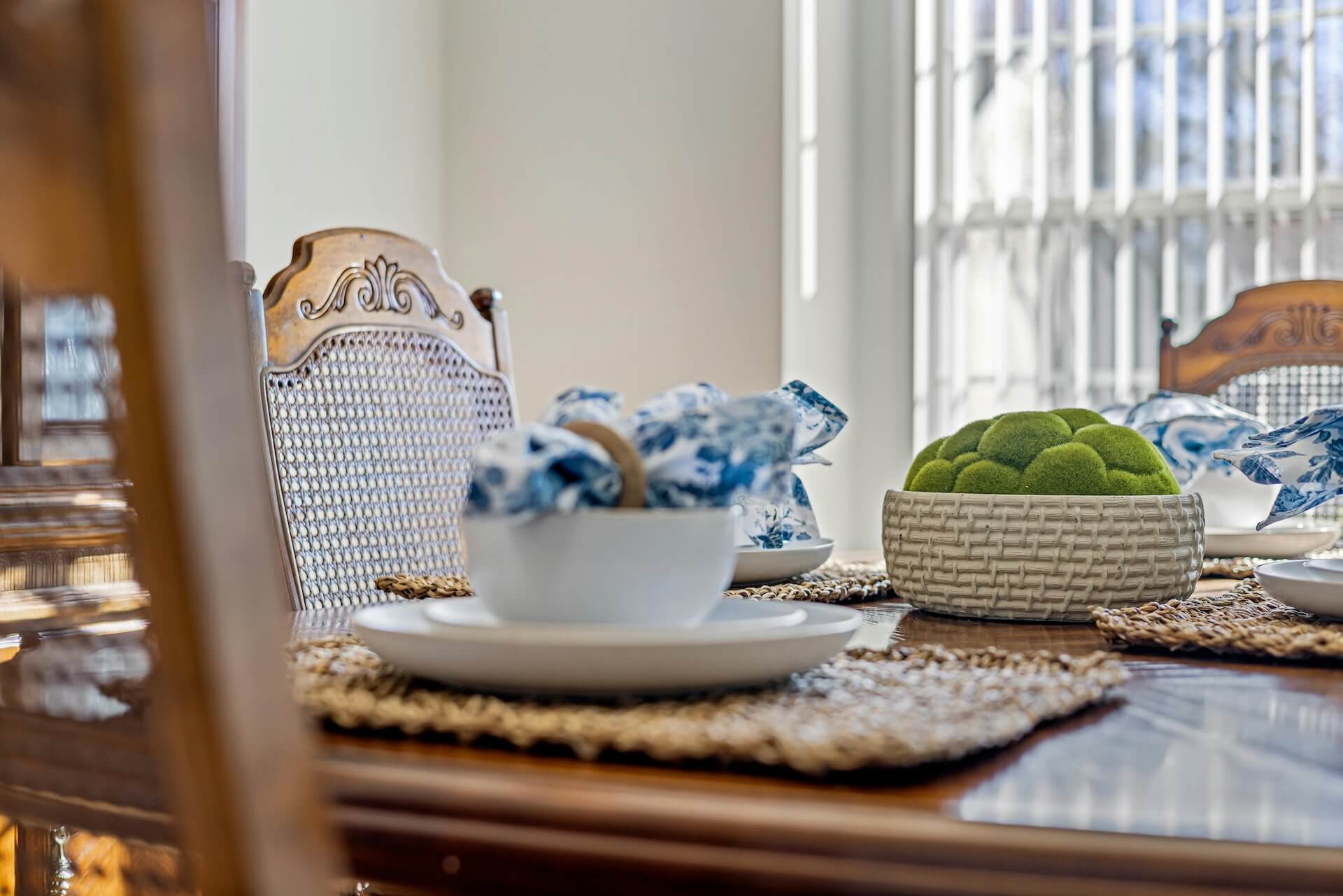
Preserved moss creates a soft, plush base that makes fresh flowers look like they are growing directly out of the vase. It adds a vibrant, organic green that provides a much-needed life force during the grey months of winter or early spring. It is lightweight, inexpensive, and incredibly easy to shape around stems.
This filler is highly recommended for homeowners who prefer a “biophilic” design style without the daily maintenance of live houseplants. It creates a lush, finished look that hides the mechanics of a floral arrangement—like tape or plastic frogs—perfectly. It is also an excellent buffer for protecting delicate glass stems from breakage.
Take note that some preserved moss products have a distinct, earthy scent that may be too strong for sensitive noses. If this is a concern, let the moss air out in a well-ventilated area for twenty-four hours before placing it on the dining table. Keep moss away from direct, harsh sunlight to prevent the vibrant green color from fading over time.
How to Match Filler Size to Your Vase Shape
The relationship between your vase’s silhouette and the size of your filler determines the overall visual balance of the centerpiece. Small, granular fillers like water beads or tiny pebbles look best in vases with narrow, necked openings, as they flow easily into tight spaces. Large items like pinecones or oversized shells require wide-mouth vessels to ensure they don’t look awkwardly wedged or sparse.
Consider the depth of your vessel as well. Deep vases are perfect for heavy, weighted items like river rocks, which prevent the center of gravity from shifting upward. Shallow, wide-mouthed bowls allow for layered arrangements, where you can combine a foundation of moss with smaller decorative elements on top.
Avoid the temptation to cram large fillers into narrow-necked vases, as this creates a cluttered and forced aesthetic. Always prioritize a filler size that allows for at least 15% to 20% negative space around the items for a professional, uncrowded look. Use a visual test: if the filler looks like a pile of rubble rather than a collection of curated pieces, the vase shape and filler size are likely misaligned.
Cleaning and Storing Your Seasonal Fillers
Proper maintenance is the secret to keeping seasonal decor accessible rather than burdensome. Hard fillers like rocks and shells can simply be rinsed in a colander with mild dish soap, patted dry, and returned to storage. Avoid soaking wooden or faux items, as water can compromise their finish and lead to mold or structural damage.
Organization is key to managing these items across different seasons. Assign a specific, labeled bin for each type of filler, and avoid mixing them together, as sorting them later is rarely worth the effort. Clear plastic containers are ideal because they allow you to see exactly what you have without opening every box during a busy holiday prep session.
If you are limited by storage space, prioritize fillers that serve multiple purposes. Neutral items like river rocks or clear water beads can transition between seasons with a simple addition of a seasonal ribbon or a colored candle. Store your fillers in a climate-controlled area, such as a hallway closet, to prevent extreme temperatures from causing plastics to warp or finishes to peel.
How Much Filler Do I Need? A Volume Guide
Purchasing too much or too little filler is a common frustration, but a simple calculation can save you unnecessary shopping trips. Most decorative vases follow a basic geometric volume, but you can estimate your needs by using the “displacement” method. Fill the vase with water to the desired depth, then measure the volume in cups; this will tell you exactly how many liters or cups of filler to buy.
For irregular fillers like pinecones or shells, account for “void space,” which is the air trapped between the items. A safe rule of thumb is to add 25% more volume to your estimate than the water test suggests. For granular fillers like rocks or beads, the void space is minimal, so you can adhere closer to your water-measured estimate.
If you are on a budget, remember that you do not need to fill a vase to the brim to achieve a high-end look. Place a secondary, smaller container upside down at the bottom of the vase to “lift” your filler, reducing the amount you actually need to purchase. Write your calculated requirements on a small index card and tape it to the bottom of your vase so you have the numbers ready for next season.
Choosing the right filler is less about adhering to strict design rules and more about understanding what works for your specific home environment and storage capacity. By selecting pieces that are durable, easy to clean, and versatile enough for multiple seasons, you create a home that feels refreshed and welcoming with minimal effort. Investing in a few high-quality, reusable staples ensures that a beautiful centerpiece is always just a few minutes away.

