
6 Best Wax Containers for Keeping Adhesive Fresh
Keep your adhesive fresh! Discover the 6 best wax containers to maintain optimal grip and performance. Shop now for superior storage!
Finding a hardened, useless lump of adhesive at the bottom of a container is a frustration every homeowner knows well. Proper storage prevents wasted materials and ensures supplies are ready the moment a repair project begins. Selecting the right container is the most effective way to extend the shelf life of expensive waxes, glues, and specialty adhesives.
Ball 4-Ounce Jars: An Airtight Glass Classic
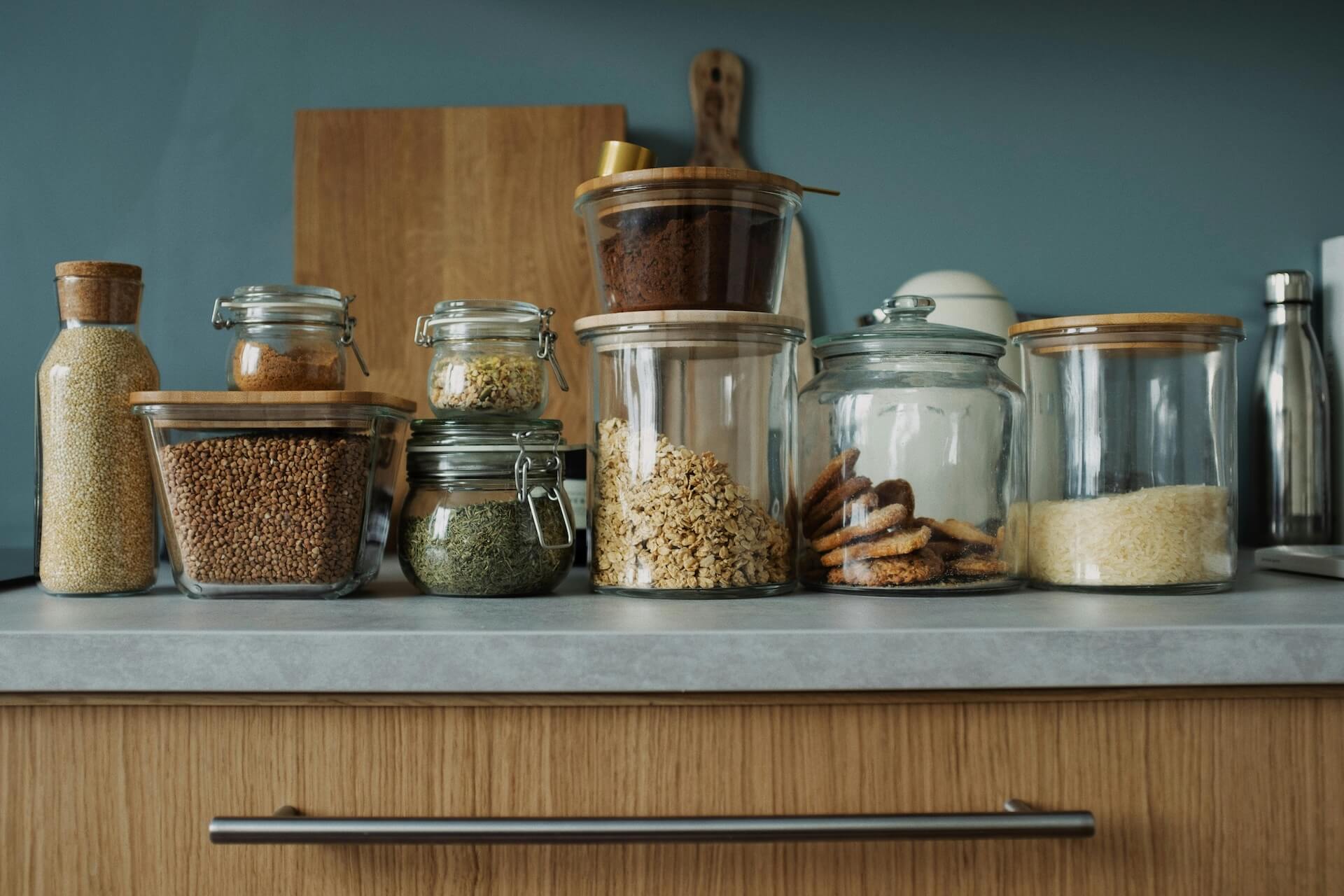
When dealing with high-quality waxes that are sensitive to air exposure, the gold standard remains the humble glass canning jar. The 4-ounce size is perfect for home workshops, providing just enough volume for frequent use without leaving excess air trapped inside to promote drying.
Because these jars feature a two-piece lid system, they provide an exceptionally tight seal that prevents solvent evaporation. Unlike plastic, glass does not degrade over time, making these a permanent, low-cost investment for any household pantry or craft closet.
Keep in mind that glass is fragile and can shatter if knocked off a high workbench. For the most secure storage, place these jars on lower shelves or within drawer dividers to prevent accidental falls.
Nalgene Travel Jars: The Leakproof Guarantee
For homeowners who move projects from the garage to the kitchen table, portability and durability are essential. Nalgene jars are engineered to withstand rigorous daily use and are essentially indestructible, even if dropped on concrete basement floors.
The threaded lids on these containers feature an internal seal that locks out moisture and air effectively. While they are marketed for travel, their reliable screw-top design makes them ideal for keeping thick adhesives contained without risk of messy leaks in a storage bin.
While slightly more expensive than basic pantry jars, the longevity of this food-grade plastic pays for itself over time. They are the best choice for busy households where tools are frequently moved between rooms or work areas.
Non-Stick Silicone Jars: For The Stickiest Glues
Some modern adhesives are designed to bond to almost anything, making them notoriously difficult to remove from glass or hard plastic. Silicone containers offer a specialized solution because the flexible walls prevent the glue from finding a permanent anchor point.
When the adhesive eventually begins to cure or stiffen, simply squeezing the sides of the silicone jar allows the contents to pop out or break free easily. This feature makes cleaning virtually effortless, ensuring the container remains reusable for years.
These are best reserved for smaller quantities, as larger silicone containers can be flimsy and harder to stabilize. They are an excellent niche tool for those who frequently work with highly tacky substances that refuse to cooperate with traditional storage.
FastCap Glu-Bot: Best Bottle for Woodworking
Woodworking often requires precise application of glue without the constant hassle of opening and closing jars. The FastCap Glu-Bot is specifically designed to use gravity to keep the adhesive at the tip, ensuring an instant flow whenever it is needed.
The bottle features a non-drip, two-chamber design that pulls glue back into the main reservoir after use. This prevents the tip from clogging—a common issue that leads to dried, wasted glue in standard store-bought bottles.
While this is a specialized tool, it is indispensable for anyone performing frequent furniture repairs or hobbyist woodworking. It turns a messy, multi-step process into a clean, single-handed operation.
Beadsmith Stackable Jars: A Smart, Tidy System
Space is often at a premium in apartments or small home offices where hobby supplies compete for shelf room. Stackable jar systems allow for vertical organization, keeping various types of waxes and adhesives contained in a single, compact footprint.
These jars usually screw into one another, creating a tower that is easy to label and identify. By grouping similar products together, the time spent searching through cluttered bins is eliminated, keeping the workspace tidy and efficient.
However, be aware that these systems usually rely on smaller threads that can become brittle if overtightened. Use these for lighter duty, organized storage rather than heavy, frequently accessed daily adhesives.
ArtBin Satchels: Organize Your Full Glue Tubes
Sometimes the best storage solution is keeping the original manufacturer’s packaging consolidated in one protected environment. ArtBin satchels provide a specialized, airtight enclosure that prevents tubes of glue or wax from rolling away or getting crushed.
These satchels are translucent, allowing for a quick inventory check without needing to open the case. By keeping all adhesive tubes in one dedicated, moisture-controlled container, the risk of misplacing individual tubes is significantly reduced.
This approach is highly recommended for homeowners who maintain an inventory of various adhesive strengths, such as super glues, epoxies, and wood glues. It turns a disorganized drawer of half-empty tubes into a professional-grade kit.
Glass, Plastic, or Silicone: Which Is Best?
Choosing the right material depends entirely on the chemical nature of the adhesive and the intensity of use. Glass is superior for long-term storage of solvent-based products because it will never react or warp, ensuring the contents stay fresh for years.
Plastic, specifically BPA-free, high-density options, offers the best balance of impact resistance and cost for general household use. Silicone is the winner when working with high-tack, sticky adhesives that would otherwise bond to the container walls permanently.
- Glass: Best for longevity, pantry storage, and solvent-based products.
- Plastic: Best for durability, portability, and high-volume storage.
- Silicone: Best for sticky, high-tack glues and ease of cleaning.
Choosing the Right Size for Your Glue Amount
The most common mistake when buying storage is selecting a container that is too large for the amount of adhesive. Excess air space inside the container accelerates the hardening process, essentially causing the product to “expire” long before it should.
Always aim for a container that is sized appropriately for the volume of product, leaving as little headspace as possible. If a small amount of glue remains, transfer it to a smaller vessel rather than keeping it in a half-empty large jar.
When shopping, look for “fill level” indicators if available, or simply use clear containers to judge remaining quantity. Keeping a secondary supply in a larger, bulk storage container while using a small, active-use jar is a pro strategy for minimizing waste.
How to Clean Dried Glue Out of Your Containers
Routine maintenance is the secret to extending the life of your storage containers. For most containers, a simple soak in warm, soapy water is enough to loosen residue, though some glues may require a specialized solvent based on the manufacturer’s recommendations.
Never use metal tools or abrasive scouring pads to scrape hardened glue out of plastic or silicone containers. Doing so creates microscopic scratches where glue will bond more aggressively in the future, accelerating wear on the container walls.
If glue is stubborn, often letting the container sit upside down with a drop of mineral oil or isopropyl alcohol can soften the bond. Once clean, always ensure the container is completely dry before adding fresh adhesive, as moisture can alter the chemical properties of many glues.
Keeping Threads Clean for a Truly Airtight Seal
The threads of a jar or bottle are the most vulnerable point for air and moisture leaks. Even a small buildup of dried adhesive on the threads will prevent the lid from closing tightly, which leads to premature curing of the product inside.
Always wipe the threads and the rim of your container with a clean rag after every use before closing the cap. A clean thread ensures a snug, airtight fit that preserves the product’s intended viscosity and performance.
If threads become crusty despite cleaning, a light wipe with a small amount of petroleum jelly can prevent the cap from sticking permanently. By prioritizing thread hygiene, you turn a simple container into a reliable, long-term storage solution.
Investing in high-quality, task-appropriate containers transforms how you approach household repairs and maintenance projects. By selecting materials that match the needs of the adhesive and practicing simple cleaning habits, you ensure your tools are always ready for the next task. Start by auditing the adhesives currently cluttering your shelves, and replace failing packaging with these proven, reliable solutions.

