7 Best Acoustic Foam Panels for Sound Dampening
Soundproof your space! Discover 7 top acoustic foam panels for superior sound dampening. Shop now for clearer audio.
Excessive noise from a television in the living room or an echoey home office can turn a peaceful house into a source of constant frustration. Managing sound is an essential part of creating a functional, comfortable living environment for every family member. These seven acoustic foam options offer practical ways to reclaim quiet and improve the acoustics of any room without requiring a full renovation.
Foamily Pyramid Panels: Best Overall Value
When the goal is to improve sound clarity in a den or media room without breaking the bank, balancing cost and performance is essential. Foamily Pyramid panels are widely recognized for providing consistent results across standard residential applications. They effectively reduce flutter echoes and standing waves that often plague rooms with hardwood floors and high ceilings.
These panels are thin enough to be manageable for DIY projects yet dense enough to make a noticeable difference in ambient noise. They are particularly well-suited for families who need to cover large wall surfaces on a budget. Because they come in bulk packs, they offer the best price-per-square-foot for those looking to cover an entire wall or a dedicated hobby space.
Keep in mind that these are entry-level panels designed for absorption, not heavy-duty soundproofing. While they won’t stop the sound of a lawnmower outside, they will certainly help a room feel less like an echo chamber. For most residential needs, they represent the gold standard for value.
JBER Pyramid Tiles: Best for a Home Office
Home offices require a balance between professional appearance and acoustic functionality. JBER Pyramid Tiles are designed to fit seamlessly into smaller spaces, making them ideal for the guest room turned office. Their compact size allows for precise placement near desk setups or behind computer monitors to reduce reflected sound during virtual meetings.
The aesthetic of these tiles is cleaner than many industrial alternatives, allowing them to blend into home decor without looking like a makeshift recording studio. Installation is straightforward, as the tiles are lightweight and stay mounted with simple adhesive strips. This makes them a favorite for renters who need to avoid damaging drywall.
If the priority is improving the audio quality of phone calls or video conferences, these tiles provide the necessary dampening without overwhelming the room. They are a reliable, low-profile solution for everyday work-from-home tasks. They effectively clear up the “hollow” feeling that often accompanies a bare office wall.
IZO All-Supply Egg Crate: Best Budget Pick
For those tackling a basement project or a large-scale storage conversion, minimizing costs is often the primary driver. IZO All-Supply Egg Crate foam is the most economical choice for covering massive surface areas where appearance is secondary to performance. The classic egg-crate texture is a tried-and-true design for maximizing surface area to trap sound waves.
While the design lacks the modern, angular look of pyramid tiles, it is exceptionally good at diffusing sound. This makes it a smart choice for unfinished basements or workshops where utility is the priority. The panels are lightweight, making them easy to trim with a sharp utility knife to fit around pipes, electrical boxes, or structural beams.
The primary trade-off with budget-friendly egg crate foam is its thinner construction. It will not perform as well as premium, high-density panels in a dedicated theater room. However, for general noise reduction in high-traffic utility areas, it is the most practical and wallet-friendly solution available.
Auralex Studiofoam: For Serious Soundproofing
When a home features a dedicated space for music practice or high-end home cinema, standard foam may not reach the necessary performance thresholds. Auralex Studiofoam is the industry benchmark for those who demand professional-grade results. These panels are significantly denser than standard household foam, allowing them to absorb a wider range of sound frequencies.
These are an investment in both quality and longevity. Unlike cheaper foams that can degrade or crumble over time, Auralex products maintain their shape and effectiveness for years. They are the clear choice for homeowners who view sound management as a permanent upgrade to their property’s value.
Because these are more expensive, they are best reserved for critical listening areas rather than general living spaces. Proper placement is essential to get the most out of this investment. If you are serious about controlling acoustics, the performance difference offered by these panels is tangible and immediate.
TroyStudio Wedges: Best Color & Style Options
Acoustic foam often feels like a design compromise, but it does not have to be an eyesore. TroyStudio Wedges offer a variety of colors and patterns that allow homeowners to integrate sound treatment into existing interior design themes. Instead of the standard charcoal gray, these options can act as a subtle accent wall.
The wedge design is particularly effective at breaking up sound waves while providing a sleek, modern look. They work just as well in a vibrant teen bedroom as they do in a minimalist living room. The ability to choose colors makes these panels a favorite for homeowners who value the visual harmony of their living space.
Beyond aesthetics, the material quality is high, providing reliable absorption for mid-to-high frequencies. They strike a nice balance between form and function, ensuring the house remains quiet without feeling like a sterile laboratory. The bottom line is that these provide the best way to treat a room without sacrificing style.
SoundAssured Panels: The Easiest to Install
For homeowners who are not particularly interested in complex installation processes, ease of use is the most critical feature. SoundAssured panels are designed with a focus on simple mounting, often coming with user-friendly adhesive instructions that save time. They take the guesswork out of the application process, making them ideal for a quick weekend project.
The density and texture of these panels are calibrated to offer a “set it and forget it” solution. Once applied, they stay firmly in place and require minimal maintenance beyond an occasional light dusting. This makes them a perfect fit for busy households where time is a limited resource.
The convenience factor does not come at the expense of quality, as these panels still offer excellent mid-range frequency absorption. If the objective is to solve a noise problem quickly and cleanly, these are the most logical choice. They offer a frustration-free experience for the average DIYer.
Arrowzoom Panels: For Utility & Laundry Rooms
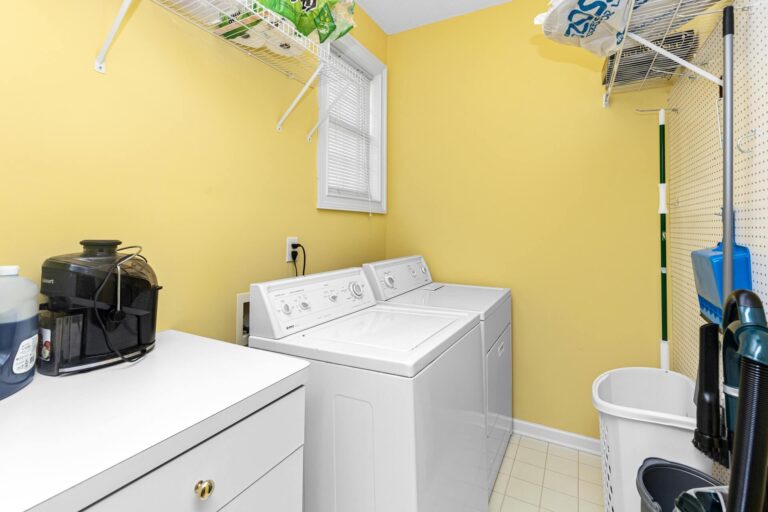
Laundry rooms and mechanical closets are often the loudest parts of a home due to appliances and HVAC equipment. Arrowzoom panels are built for these rugged, high-vibration environments. Their material composition is durable and resistant to the humidity levels often found in basement laundry areas.
These panels excel at muffling the harsh, repetitive noises produced by washers, dryers, and utility pumps. Their industrial look is well-suited for areas behind appliances or in utility corridors where a polished appearance is not required. They are a practical, utilitarian choice that addresses the specific noise sources that cause the most daily annoyance.
By installing these in high-vibration rooms, you can significantly reduce the sound transference to other parts of the house. They are an easy way to make the home feel more tranquil during daily chores. For the homeowner looking for specific utility solutions, these panels offer high durability and reliable noise dampening.
How to Pick the Right Foam Panel Thickness
Thickness is the most significant indicator of how a panel handles different sound frequencies. Generally, a thickness of 1 to 2 inches is sufficient for suppressing echoes in a small bedroom or office. These thinner panels are excellent for high-frequency sounds, such as human voices or ringing phones.
If you are dealing with deeper sounds, such as lower-frequency thrumming from a large appliance, you need thicker foam. Panels that are 3 inches or thicker provide more substantial material for the sound waves to travel through, effectively absorbing those lower vibrations. Always check the manufacturer’s specifications, as density is often as important as physical thickness.
Consider the layout of the room before purchasing. If space is tight, thinner panels are easier to fit behind furniture or in corners. If you have the wall space, opting for thicker panels provides a wider range of protection against diverse household noises.
Where to Place Panels for the Best Results
The goal of acoustic foam is to break up the “bouncing” of sound waves against hard surfaces like drywall and glass. The most effective strategy is to target the “first reflection points.” These are the spots on the walls where sound hits first before reaching your ears, usually at shoulder or ear height.
Start by placing panels at eye level on the walls directly opposite your primary sound sources, such as speakers or a television. If the room remains echoey, consider adding panels to the corners. Corner placement helps manage the buildup of bass frequencies that often get trapped in those areas.
You do not need to cover every square inch of the wall to see results. A grid pattern or panels spaced a few inches apart can be just as effective as full coverage while looking much cleaner. Start with 20% to 30% coverage, and add more only if the desired sound quality has not been achieved.
Dampening vs. Soundproofing: What’s the Difference?
A common misconception is that acoustic foam will turn a room into a soundproof vault. It is vital to understand that foam is for dampening, which means it absorbs sound waves to reduce echo and ambient noise. It makes a room sound better internally but does very little to block sound from entering or leaving the room.
True soundproofing requires adding mass and decoupling structures, which involves heavy construction like adding extra drywall, resilient channels, or specialized insulation. This is a significant renovation, whereas acoustic foam is a surface treatment. Foam is a tool for acoustic correction, not a barrier against external noise.
Be wary of any product claiming to “block” sound completely through thin foam tiles. Use foam to make the interior of your home feel quieter, clearer, and more comfortable. For genuine sound isolation between rooms, seek professional construction solutions rather than surface-mounted foam.
Acoustic foam is a highly effective, approachable solution for managing the daily noise levels in any home. By identifying the specific needs of each room—whether it is a home office, a laundry room, or a music space—you can select the right panel to create a more peaceful environment. Always remember that sound management is a practical, incremental process that improves the quality of your home life one wall at a time.