
7 Best Transparent Films For Light Filtering That Last
Find the 7 best transparent films for light filtering that last. Enhance your space with effective, durable solutions. Learn more now!
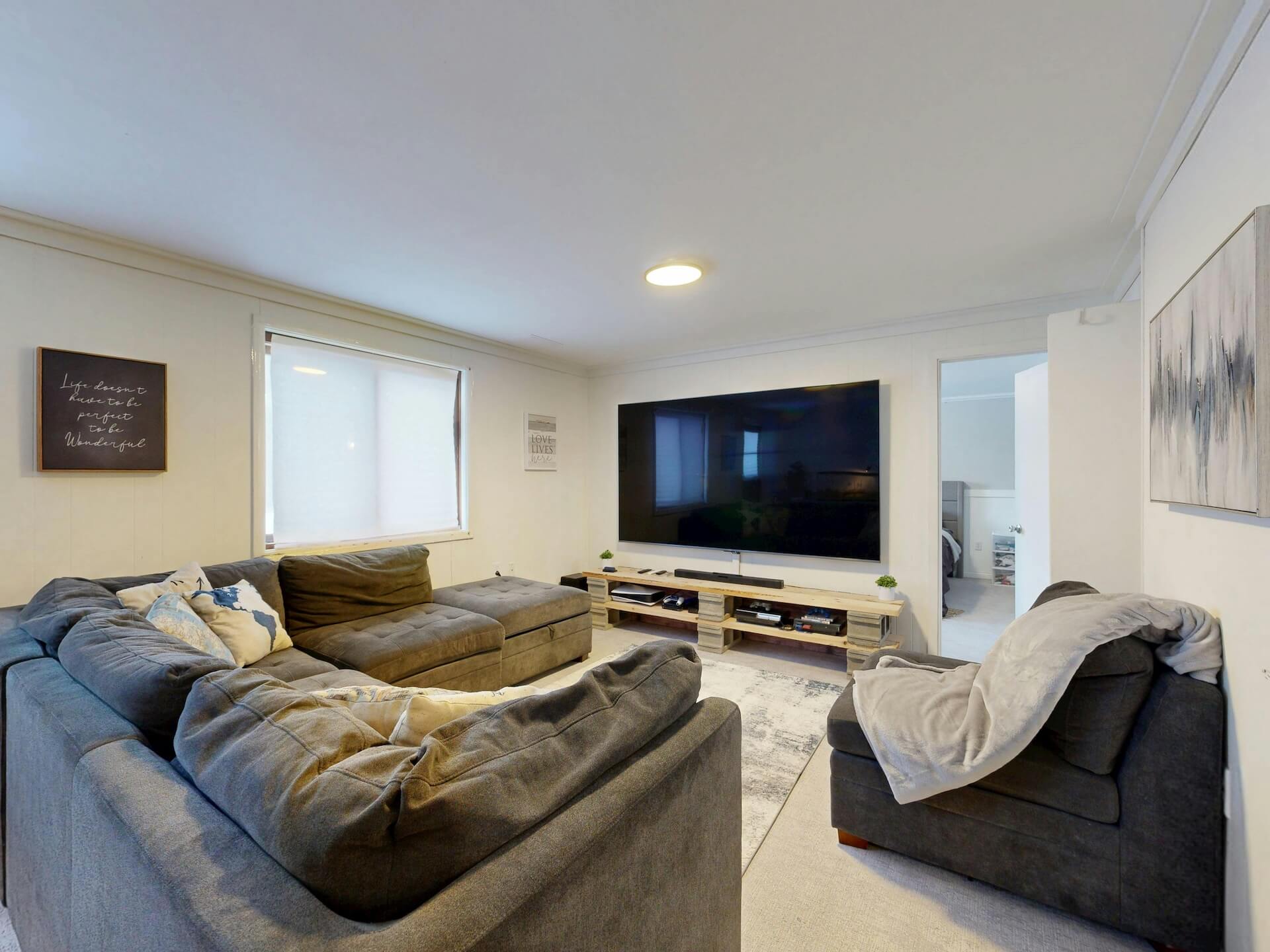
Sunlight is a wonderful asset for any home, but uncontrolled exposure often leads to faded furniture, uncomfortable heat spikes, and bothersome glare on television screens. Investing in the right window film can transform a room from an oven into a cool, light-filled sanctuary. The following guide explores top-rated solutions to help balance privacy, protection, and ambient light based on specific household needs.
GILA Titanium Film: Best for High-Sun Windows
When windows face the harsh afternoon sun, interior temperatures can climb rapidly, forcing air conditioners to work overtime. GILA Titanium film is engineered to handle these intense heat loads by reflecting solar energy before it can warm a room. This is a practical choice for houses with large, south-facing glass surfaces that experience excessive solar gain during peak summer months.
The metallic construction of this film provides a sleek, reflective finish that effectively blocks glare while still allowing natural light to enter. While it offers excellent heat rejection, the mirrored appearance may affect the curb appeal of a home if used on every window.
Consider this film if the primary objective is temperature control and energy efficiency. It is a highly effective, industrial-strength solution that favors performance over aesthetic subtlety.
3M Prestige Film: For Long-Term UV Protection
Furniture, hardwood floors, and artwork often suffer from irreversible fading due to constant ultraviolet light exposure. 3M Prestige film is designed as a high-end, multi-layer optical film that excels at blocking up to 99.9% of harmful UV rays. It provides a specialized layer of defense for homeowners looking to protect their long-term investments without darkening the room.
Unlike traditional metallic films, this product maintains high clarity and preserves the natural look of clear glass. It is particularly useful for living areas or sunrooms where maintaining a clear view of the yard is just as important as protecting the interior decor.
While the upfront cost is higher, the durability and optical quality make it a sound choice for permanent residential applications. It remains a top recommendation for homeowners who prioritize longevity and near-invisible protection.
BDF S8MC Film: The Best Value for Large Areas
Renovating an entire house with window film can become a significant expense if the brand carries a luxury premium. BDF S8MC film offers a reliable, middle-ground option that provides effective solar control at a price point that makes it accessible for large projects. It is a workhorse film that balances heat rejection with privacy.
This film is frequently used by homeowners seeking a consistent look across many windows without breaking the budget. It performs well in preventing glass breakage, as the material adds a layer of structural integrity to the pane.
It is an ideal choice for households requiring coverage for multiple rooms or large sliding glass doors. Keep in mind that the installation process requires precision, as the film is slightly thicker than cheaper alternatives.
Coavas Frosted Film: Easiest to Install & Remove
Renters or homeowners in suburban areas who need instant privacy often struggle with permanent, adhesive-based solutions. Coavas Frosted film is a non-adhesive option that clings to glass using static energy, making it entirely removable and reusable. This is a perfect solution for bathrooms, laundry rooms, or ground-floor windows where privacy is the primary concern.
The frosted texture effectively obscures views while allowing soft, diffused light to filter through. It is exceptionally forgiving during installation; if the film is placed incorrectly, it can be peeled off, repositioned, and sprayed again without damaging the adhesive.
This product is the best choice for those who value convenience and temporary results. It eliminates the stress of permanent modifications while ensuring the interior remains obscured from outside observers.
Rabbitgoo 3D Film: Best for Gentle Light Diffusion
Standard window films can sometimes make a room feel sterile or overly clinical. Rabbitgoo 3D film uses a prismatic pattern that breaks up direct sunlight, casting subtle, colorful light patterns across the room as the sun moves. It acts as a decorative element while still providing the necessary privacy needed for bedrooms and home offices.
Because the pattern is three-dimensional, it effectively hides fingerprints and minor scratches on the glass surface. The static-cling application is straightforward, requiring only a spray bottle filled with soapy water.
This film is a popular choice for homeowners who want to add a touch of personality to a room while softening harsh light. It provides a visual upgrade that standard, flat-tinted films simply cannot replicate.
Artscape Etched Glass Film: For A Classic Look
For those who love the elegance of traditional etched glass but wish to avoid the high cost of custom-made panes, Artscape offers a clever alternative. This film mimics the look of high-end, sandblasted or leaded glass, bringing a timeless aesthetic to front doors or sidelights. It is a durable, long-lasting product that handles high-traffic areas without peeling or yellowing.
The thicker material used in these designs makes them very easy to handle during installation. It is a particularly effective way to update a home’s foyer or a dated interior window without professional intervention.
While it is more expensive than basic frosted films, the aesthetic payoff is significantly higher. It serves as a decorative focal point rather than just a utility-focused filter.
Solar Gard Ecolux Film: For Year-Round Savings
Managing home energy efficiency requires a product that works in every season, not just the summer. Solar Gard Ecolux is a dual-purpose film that blocks heat in the summer while reflecting interior heat back into the room during cold winter months. It is an ideal investment for homeowners in climates that experience both extreme heat and freezing winters.
By acting as a thermal insulator, it creates a more consistent temperature gradient near windows, reducing the “cold spot” sensation common in older homes. This film helps minimize the load on both heating and cooling systems throughout the year.
The upfront cost is higher, but the energy savings over time often justify the investment for long-term homeowners. It is the most robust option for those seeking year-round comfort and utility.
Adhesive vs. Static Cling: Which Is Right for You?
Choosing between adhesive and static cling comes down to intent and duration. Adhesive films offer a permanent bond that is ideal for high-humidity areas, such as bathrooms, or for long-term solar protection. Once applied, they become part of the glass, but they can be difficult to remove and may leave residue behind.
Static cling films rely on a film-to-glass bond that does not require chemical glue, making them the superior choice for renters. They can be removed, stored, and reapplied if moving to a new home.
Consider the following before deciding:
- Adhesive: Best for permanent solar control and high-moisture environments.
- Static Cling: Best for short-term privacy needs, rentals, or decorative seasonal changes.
- Durability: Adhesive films generally withstand cleaning and daily wear longer than static versions.
Getting a Bubble-Free Finish: Installation Tips
Achieving a professional-looking installation is rarely about the quality of the film alone; it is almost entirely about the preparation of the glass. Start by thoroughly cleaning the window with a soap-and-water solution to remove all dust, grease, and microscopic debris. Even a single speck of dust can create an annoying bubble that will be visible in direct light.
Use a generous amount of the soapy solution during the application phase to keep the film sliding easily on the glass surface. Once the film is aligned, use a high-quality squeegee to push the water from the center toward the edges in overlapping strokes.
- Pro Tip: Keep a clean, lint-free cloth nearby to absorb the excess water as it is pushed out.
- Cutting: Always use a fresh, sharp utility blade to trim edges, as a dull blade will tear the film and lead to a jagged, unprofessional finish.
- Patience: Let the film sit undisturbed for at least 24 hours to allow the bond to fully set before final trimming or heavy cleaning.
How to Clean Your Film Without Causing Damage
Once installed, window film requires a gentler touch than standard glass to prevent premature degradation. Avoid ammonia-based cleaners, as these chemicals can cloud the film or break down the adhesive over time. A simple solution of mild dish soap and distilled water is the safest and most effective way to keep the film looking new.
Use a soft microfiber cloth or a clean synthetic sponge for routine cleaning. Paper towels should be avoided, as they can cause micro-scratches on the surface of the film, especially on matte or frosted varieties.
- Frequency: Gently wipe the film once a month to prevent dust buildup.
- Avoid Abrasives: Never use sponges with scrubbing pads or steel wool.
- Stubborn Spots: If there is a sticky residue, a gentle wipe with a soft cloth dampened in warm soapy water is usually sufficient; never resort to sharp metal scrapers.
Selecting the right window film is a balanced exercise in addressing your home’s specific light, heat, and privacy requirements. Whether you opt for the permanent protection of a high-end adhesive or the flexible nature of a static cling, proper installation and maintenance are the keys to a lasting finish. By focusing on the unique needs of your living space, you can enhance comfort and protect your home’s interior for years to come.


