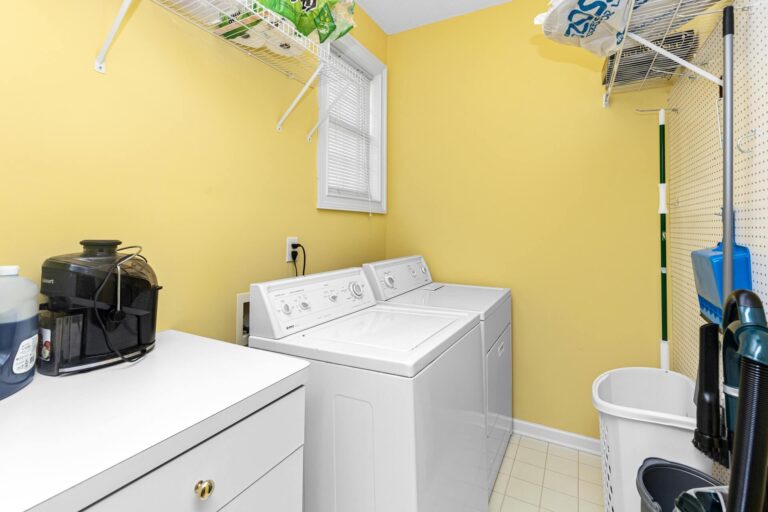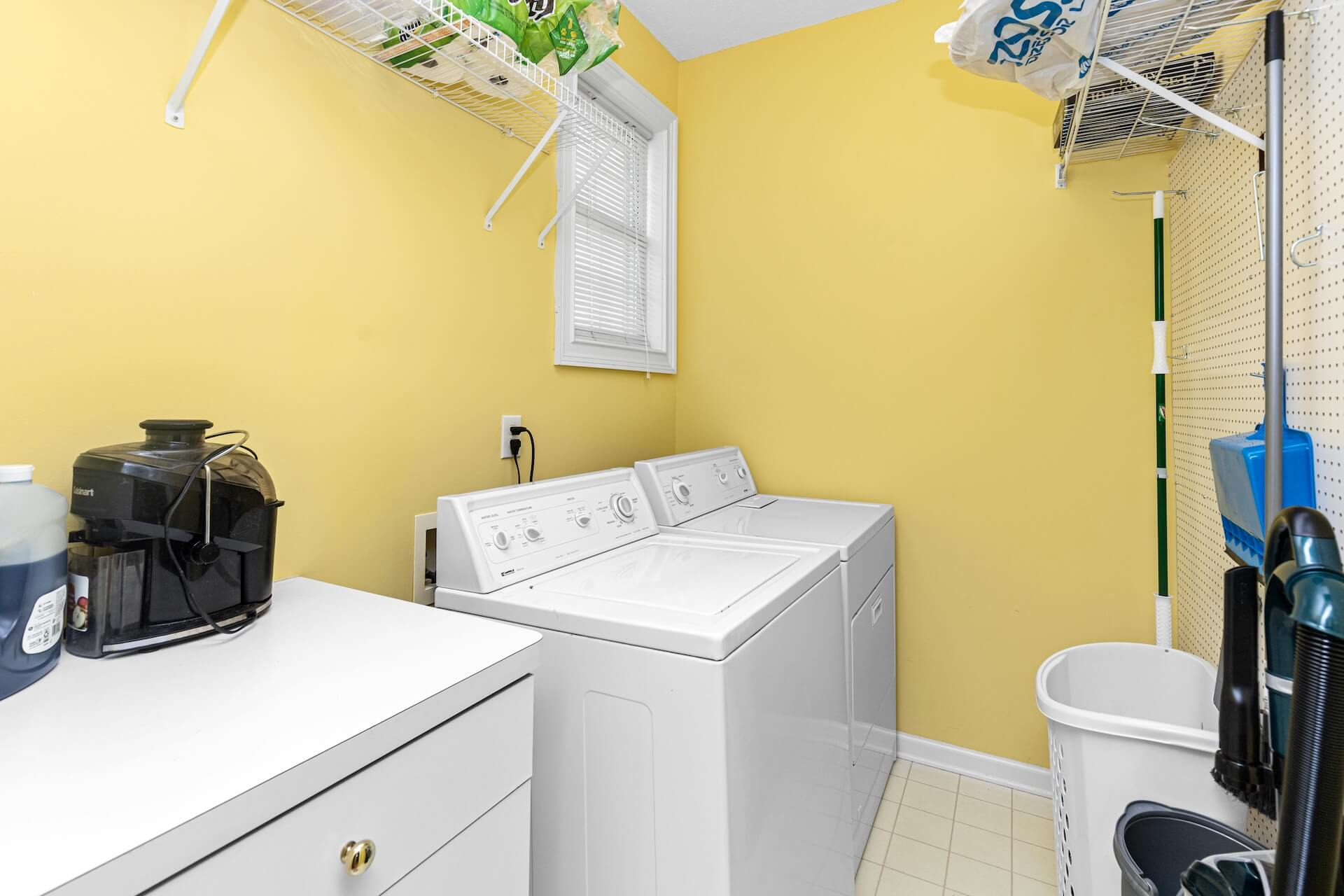
7 Best overflow pans for second floor laundry Rooms
Protect your second floor laundry room! Discover the 7 best overflow pans to prevent water damage. Shop now and get peace of mind!
A laundry room leak on a second floor can quickly turn a minor equipment malfunction into a major structural nightmare. Gravity makes water damage unpredictable, often ruining ceilings, drywall, and flooring before a homeowner even realizes a hose has failed or a pump has clogged. Installing a high-quality overflow pan is the most effective way to protect a home’s most vulnerable upper-level spaces from water intrusion.
Oatey High-Impact Plastic Pan: Best Overall Value
For many households, the primary goal is a balance between affordability and reliable protection against small leaks. The Oatey High-Impact Plastic Pan is a industry standard because it provides a functional barrier without unnecessary bells or whistles. It is constructed from a thick, crack-resistant polymer that withstands the standard vibrations of a residential washing machine.
This pan is an excellent choice for budget-conscious homeowners who need a straightforward solution that does not require complicated professional installation. Because it is lightweight, it is easy to maneuver into tight utility closets or second-floor laundry nooks.
- Bottom line: Stick with this option if the laundry setup is standard and the priority is protecting flooring without spending significantly on custom materials.
Camco 29-Inch Pan: Best Fit for Compact Washers
Small apartments and condos often feature “stacked” laundry units or smaller compact washers that don’t need a sprawling footprint. The Camco 29-inch pan is engineered specifically for these smaller footprints, ensuring that floor space is utilized efficiently. It prevents the common issue of oversized pans taking up precious room in narrow hallways or closets.
The material is designed to be slightly flexible, which helps it resist cracking under the weight of smaller, yet often high-spinning, machines. It serves as a dependable catch-all for drips or minor overflows during a cycle.
- Bottom line: Choose this model if the laundry room footprint is tight and the washer is a compact model rather than a standard full-size appliance.
DiversiTech Steel Pan: Best for Heavy-Duty Use
Some households put their appliances through significant wear, whether from heavy family laundry loads or older machines that vibrate intensely. A steel pan provides a rigid, indestructible foundation that plastic simply cannot match. The DiversiTech Steel Pan is designed to handle the weight of heavy-duty units without bowing or losing its shape over time.
Because it is made of galvanized steel, it is naturally resistant to rust, making it ideal for high-humidity areas. While it is heavier and more difficult to install than plastic, the structural integrity offers peace of mind for those concerned about long-term stability.
- Bottom line: Opt for steel if the laundry area experiences frequent high-intensity cycles or if the floor requires a non-deformable base to keep the washer level.
The Original E-Pan: Best Low-Profile Design
Accessing a washer for maintenance or cleaning is difficult when the pan has tall, obstructive walls. The Original E-Pan solves this by featuring a low-profile design that makes sliding a machine into place much easier. This is particularly beneficial for those who occasionally need to pull their unit forward to access the water intake valves or clean the back of the machine.
Despite its shallower walls, it is shaped to effectively divert water toward a drain outlet. It minimizes the tripping hazard often associated with deeper pans while still providing a secure catchment area.
- Bottom line: Choose this if the laundry closet is shallow or if frequent access behind the machine is required for routine maintenance.
Mustee Durapan: Best for Long-Term Durability
Homeowners who prefer to install a product once and never think about it again gravitate toward the Mustee Durapan. It is known for its heavy-duty, injection-molded plastic that resists the chemical breakdown common when detergents or bleaches sit in a pan. This durability makes it a smart investment for laundry rooms that see heavy, daily use by large families.
The material is reinforced to prevent cracking or stress fractures, even if the washer experiences off-balance loads. It offers a premium feel that justifies its slightly higher price point compared to entry-level plastic pans.
- Bottom line: This is the most reliable choice for a “set it and forget it” household where long-term performance is the main priority.
HoldRite Quick-Pan: Easiest & Fastest to Install
Time is often the scarcest resource for a busy homeowner, especially during a laundry room renovation. The HoldRite Quick-Pan is designed to minimize the frustration of fitting a drain pipe through a pan opening. It features a unique, pre-manufactured drain assembly that reduces the risk of leaks at the connection point.
The setup process is streamlined, allowing for a tight seal without the need for excessive amounts of silicone or complex plumbing tools. It is ideal for those who want a professional-grade seal without calling in a contractor.
- Bottom line: Select the HoldRite system if ease of installation and a leak-proof drain connection are the most important factors.
Killarney Metals Pan: Best Custom-Size Option
Not every home comes with a standard laundry closet, and older homes often have awkward, non-standard dimensions. Killarney Metals provides custom-sized steel pans that fit spaces where standard off-the-shelf options fail. They are essential for homeowners who have repurposed a pantry or a small nook for a washer and dryer set.
These pans are crafted from heavy-gauge galvanized steel and feature welded corners for maximum water containment. While they come at a higher price, the ability to get an exact fit is worth the cost for preventing water damage in tight, custom-built spaces.
- Bottom line: This is the go-to solution for non-standard closets or antique laundry areas where a store-bought pan will not fit correctly.
How to Properly Size a Pan for Your Laundry Room
Accurate measurements are the difference between a functional safety device and a useless piece of plastic. Always measure the footprint of the washer, including the protrusions of the door or dials, to ensure the pan can accommodate the full width and depth. It is recommended to add at least two inches of clearance on every side to account for vibration and ease of installation.
Consider the location of the floor drain as well. If the pan must be plumbed to a drain, ensure the pan’s exit hole aligns perfectly with the house’s drain pipe location before making a final purchase. Ignoring the plumbing layout can lead to significant rework.
- Bottom line: Never guess the measurements; use a tape measure on the actual machine and allow for a margin of error regarding the closet’s width.
Plastic vs. Metal Pans: Which One Is Right for You?
The choice between plastic and metal usually comes down to budget and the intensity of the laundry environment. Plastic pans are inexpensive, lightweight, and won’t rust, making them perfect for most modern homes with standard front-loading or top-loading washers. They are easy to find and simple to swap out if they eventually show signs of wear.
Metal pans, conversely, are the superior choice for durability and heat resistance. If the laundry room is also used for utility tasks that involve heavy items or potentially hot materials, metal provides a rigid, puncture-resistant surface. Metal is also the better aesthetic choice for high-end laundry rooms where longevity is valued over cost savings.
- Bottom line: Go with plastic for convenience and cost; choose metal for high-traffic, heavy-duty, or custom-dimension needs.
Installing Your Pan: A Quick Step-by-Step Guide
Preparation is key to a successful installation that actually holds water. Start by clearing the space entirely and ensuring the floor is level. Even the best pan cannot prevent water from spilling over if the floor itself is sloped heavily toward the wall.
Once the area is clean, place the pan and align it with the floor drain. If the pan requires a drain fitting, use high-quality plumber’s putty or a rubber gasket to create a watertight seal between the pan and the pipe. Finally, slide the appliance into the pan, ensuring it sits squarely in the center without resting on the walls of the pan.
- Bottom line: Test the drain connection with a small cup of water before pushing the heavy machine into place to ensure there are no drips under the pan.
Taking the time to install a quality overflow pan is a small investment that offers outsized protection for a home’s structural integrity. By carefully measuring the laundry area and selecting the material that best matches the household’s usage, the risk of a major water-related disaster is effectively neutralized. A properly installed pan provides the peace of mind necessary to run a household without the constant worry of hidden leaks.