7 Best Rug Placement Guides for Room Layouts Explained
Master room layouts with our 7 rug placement guides. Discover perfect rug placement for any room. Read now!
Selecting the right rug size and placement can transform a disjointed room into a cohesive, comfortable living space. While aesthetics matter, the true value of a rug lies in how it anchors furniture and improves the flow of daily household traffic. Follow these professional guidelines to ensure the next rug purchase enhances both the function and the comfort of the home.
Your Living Room: Anchoring Furniture on a Rug
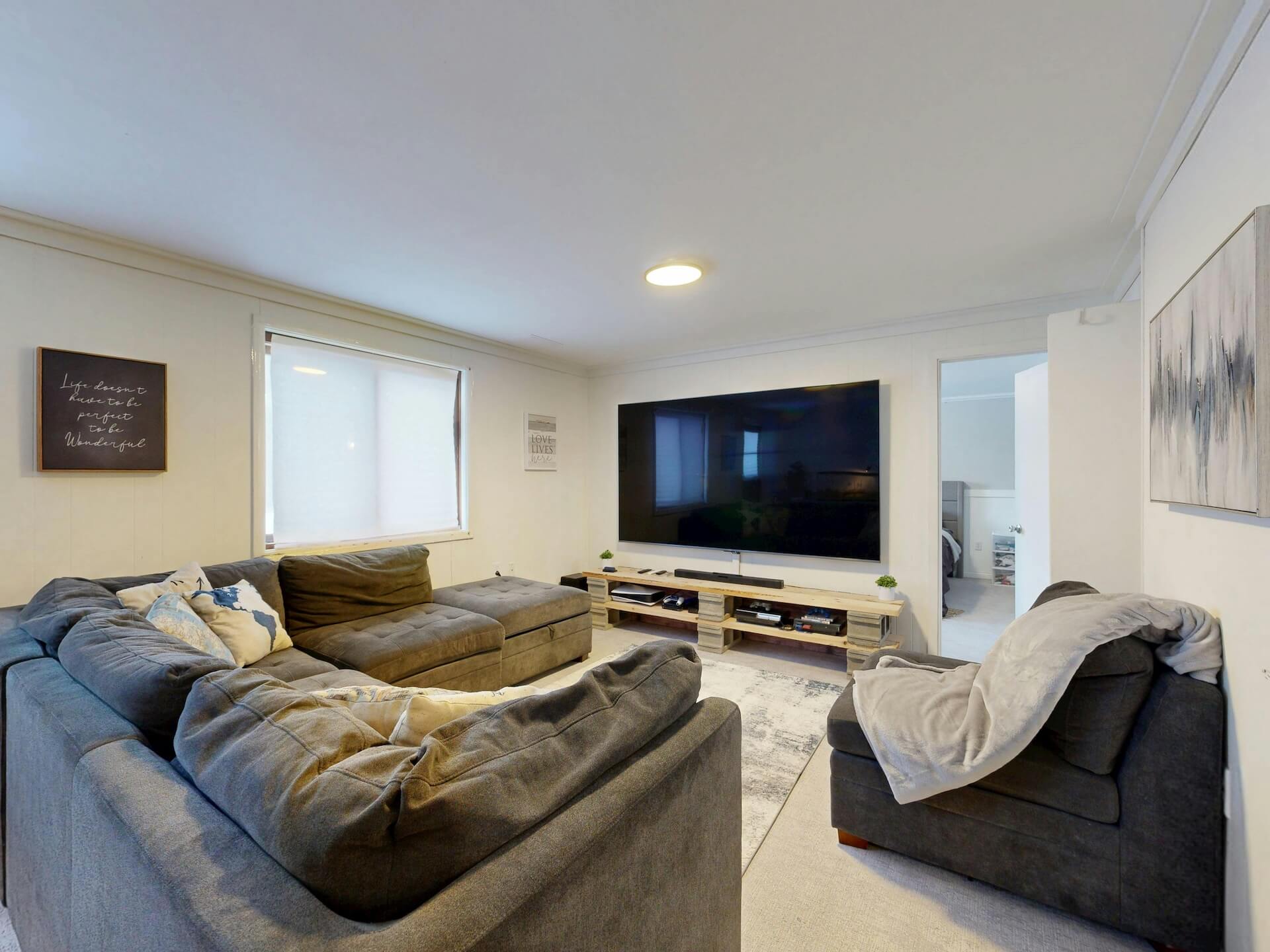
In the living room, the rug serves as the foundation for the entire seating arrangement. Ideally, the rug should be large enough to accommodate at least the front legs of every piece of furniture, including sofas, loveseats, and accent chairs. This creates a unified “island” that makes a room feel larger and more intentional.
If the room is particularly small or the budget is tight, opting for a slightly smaller rug that only holds the front legs of the main sofa is a perfectly acceptable compromise. Floating furniture in the center of a room without any connection to a rug often makes the space feel unmoored and chaotic.
Key Takeaway: Prioritize a rug large enough to tie the seating group together; if the budget allows, aim for a size where all four legs of the furniture rest on the rug for a truly high-end, grounded look.
Your Dining Room: Sizing for Pulled-Out Chairs
The dining room rug requires a specific approach to avoid a common frustration: chair legs catching on the rug’s edge. To prevent this, measure the table and add at least 24 to 30 inches to each side. This ensures that when someone slides their chair out to sit down, the back legs remain firmly on the rug.
For those with smaller dining nooks or apartment settings, this rule might seem daunting, but it is essential for safety and ease of use. A rug that is too small creates a tripping hazard every time a guest tries to stand up or sit down. In these instances, a low-pile or flat-weave rug is often more practical than a high-pile option, as it allows chair legs to glide easily.
Key Takeaway: Always prioritize clearance over pattern or material; if the space cannot accommodate a large rug, it is often better to forgo the rug entirely to keep the dining area safe and functional.
Your Bedroom: Creating a Soft Landing Spot
The bedroom rug provides the first tactile experience of the day, making comfort the primary factor. The most effective placement involves positioning the rug perpendicular to the bed, with the top of the rug resting under the bottom two-thirds of the bed frame. This leaves a soft, warm surface for feet to land on every morning.
For larger master suites, a rug that extends fully around the sides and foot of the bed adds a layer of luxury and helps dampen sound. In smaller bedrooms, running a runner along one or both sides of the bed provides comfort without overwhelming the floor space.
Key Takeaway: Aim for at least 18 to 24 inches of rug exposure around the sides of the bed to ensure a comfortable landing spot regardless of the room’s layout.
The Hallway Runner: How Much Floor to Show?
Runners are the workhorses of the home, protecting high-traffic corridors from wear and tear. When placing a runner, it is important to leave a balanced amount of floor space visible on either side to prevent the hallway from feeling constricted. Usually, keeping 4 to 6 inches of bare floor exposed on all sides creates a clean, intentional look.
Consider the length carefully, as a runner that is too short can make a hallway appear choppy and disconnected. In long, narrow spaces, using two shorter runners with a small gap between them is an acceptable, budget-friendly alternative to a custom-length rug.
Key Takeaway: Ensure the runner does not interfere with the swing of any doors; always measure the clearance between the floor and the bottom of nearby door frames before purchasing.
Your Entryway: Choosing the Right Rug Size
The entryway rug acts as the first line of defense against outdoor debris, making durability and ease of cleaning the top priorities. A rug that is too small can look lost in a large foyer, while one that is too large might crowd the door’s swing. A good rule of thumb is to choose a rug that is at least as wide as the door itself, if not slightly wider.
For households with pets or children, choose synthetic materials like polypropylene, which can handle heavy traffic and frequent vacuuming. High-traffic entryways benefit from low-pile, tight-weave construction rather than plush fibers, which tend to trap dirt and show footprints quickly.
Key Takeaway: Choose an entryway rug based on performance rather than aesthetics; it must be able to withstand constant moisture and grit without fraying or losing its shape.
Open Layouts: Using Rugs to Define Your Zones
In an open-concept home, rugs serve as visual dividers that distinguish the living area from the dining area. Without these “area boundaries,” furniture often appears to drift, making large, open spaces feel cold and unorganized. Use rugs to anchor specific functional zones, ensuring they do not overlap in a way that creates visual clutter.
When placing rugs in the same line of sight, coordinate colors or textures to ensure the space feels cohesive rather than fragmented. While the rugs do not need to match perfectly, they should share a similar color palette or design language to tie the home together.
Key Takeaway: Treat each rug as a room within a room; if a rug feels too small, use a larger one to bridge the gap between separate pieces of furniture.
The Layering Trick: Adding Texture and Style
Layering rugs is a practical technique for covering worn flooring or adding warmth to a room without the cost of a large, expensive area rug. Start with a large, neutral base rug—such as a natural jute or sisal—and layer a smaller, more decorative rug on top. This approach allows for a high-end look at a fraction of the cost of a single oversized rug.
Beyond style, layering adds comfort and sound absorption, which is particularly beneficial in older homes with squeaky floorboards. Keep in mind that the top rug should be heavy enough to stay in place, or secured with a quality rug pad to prevent bunching or curling at the edges.
Key Takeaway: Stick to a high-contrast pairing, like a flat-weave base topped with a plush or vintage-style rug, to maximize the visual impact and depth of the space.
The Biggest Rug Mistake: Choosing One Too Small
The most common mistake when shopping for area rugs is selecting a size that is too small for the furniture it serves. A tiny rug floating in the center of a room makes the furniture appear disconnected and makes the overall space look cramped. If the budget prevents the purchase of a large area rug, it is often better to save until the right size is affordable rather than settling for an undersized piece.
When in doubt, always size up. A larger rug creates the illusion of more square footage and provides a more cohesive, high-end appearance regardless of the furniture style.
Key Takeaway: A small rug makes a room look smaller, while a large rug makes a room look more spacious; always measure the furniture, not just the room dimensions.
Before You Buy: The Painter’s Tape Sizing Trick
Before investing in a new rug, use painter’s tape to outline the proposed size directly on the floor. This provides a clear, visual representation of how the rug will interact with existing furniture and pathways. This simple step often reveals that a rug will either block a doorway or leave too much awkward floor space, saving time and return shipping costs.
Walk around the taped area to ensure the path feels natural and that the furniture placement allows for easy movement throughout the day. This is the single most effective way to prevent costly buying errors.
Key Takeaway: Spend ten minutes with a roll of tape before committing to a purchase; it is the most reliable way to avoid the frustration of an ill-fitting rug.
Rug Pads: A Non-Negotiable for Safety and Comfort
A rug pad is not merely an accessory; it is a vital component for both the longevity of the rug and the safety of the household. A high-quality pad provides essential cushioning that reduces wear on the rug’s fibers and prevents dangerous slipping on hard surfaces. Without a pad, rugs can bunch up, causing tripping hazards and uneven wear patterns.
When choosing a pad, consider the specific flooring type underneath. Felt pads offer the best protection for hardwood, while rubberized pads are superior for preventing sliding on tile or laminate. While it may seem like an unnecessary extra expense, a good rug pad saves money in the long run by preventing the rug from deteriorating prematurely.
Key Takeaway: Never skip the rug pad; it is a fundamental home investment that protects both the flooring and the rug while significantly increasing comfort underfoot.
By following these fundamental placement and sizing strategies, homeowners can effectively balance style with the realities of daily life. Well-placed rugs provide the necessary structure to make any house feel like a cohesive, well-lived-in home. Consistency and careful measurement remain the most reliable tools for achieving a professional finish on any budget.