7 Best Portable Space Heaters for Supplemental Zone Heating
Find the best portable space heaters for efficient zone heating. Discover our top 7 picks and save on energy costs today!
When the temperature drops, certain rooms in a home often feel perpetually chilly despite a central furnace running at full capacity. Supplementing central heat with portable units is a cost-effective way to maintain comfort in high-traffic areas without overheating the entire house. Choosing the right unit requires balancing square footage, safety protocols, and the specific limitations of the space in question.
Lasko 755320: Best All-Around for Living Rooms
Living rooms require a balance of power and aesthetics, as these units sit in the middle of family gathering spaces. The Lasko 755320 features a tall, slim tower design that blends seamlessly into corners or near bookshelves, keeping floor space clear. It offers enough wattage to warm a standard-sized living area without dominating the room visually.
This model is a favorite because it operates quietly and includes a remote control, allowing for adjustments from the comfort of a sofa. While it provides excellent oscillation for even air distribution, it remains lightweight enough to move between rooms if needed.
The bottom line: For those needing a reliable, unobtrusive heater for a family room or den, this unit provides the best balance of output and ease of use. It is a workhorse that avoids the industrial look of older metal heaters.
De’Longhi Radia S: Best for Silent Bedroom Warmth
Bedrooms require heat that does not disturb sleep with loud fan noise or dry, blowing air. The De’Longhi Radia S uses oil-filled technology, which retains heat for a long time and releases it gradually and silently into the room. Because there are no internal fans, dust and allergens are not circulated, making it a superior choice for those with sensitivities.
This unit stays warm long after it is switched off, helping to maintain a consistent ambient temperature throughout the night. While it takes longer to reach peak warmth than ceramic heaters, the trade-off is a consistent, comfortable heat that feels more like a traditional radiator.
For homeowners looking for long-term comfort in a sleeping space, this oil-filled unit is the gold standard. It is bulkier than a tower fan, so be sure to account for floor space before purchasing.
Vornado VH200: Best for Evenly Heating a Drafty Room
Drafty homes with old windows or uneven insulation often struggle with cold spots that localized heating can struggle to fix. The Vornado VH200 utilizes signature vortex air circulation, which pulls in cool air, heats it, and pushes it across the room in a focused stream. Unlike standard heaters that only warm the area directly in front of the unit, this model promotes circulation throughout the entire space.
This unit is compact, rugged, and remarkably effective at eliminating pockets of stagnant, cold air. It relies on a simple mechanical thermostat, which many prefer for its long-term durability compared to complex digital interfaces.
Choose the Vornado if the objective is to break up a persistent draft in a home office or a basement bedroom. It is a practical choice for those who prioritize performance and durability over bells and whistles.
Dr. Infrared Heater: Best for a Cold, Open Basement
Basements are notorious for being the coldest room in the house, often requiring a heater with significant heating capacity. The Dr. Infrared Heater uses a combination of infrared elements and a high-velocity blower to push heat into open spaces efficiently. It is designed to heat the objects and people in the room rather than just the air, which is highly effective in large, open-concept basements.
This heater is robust and sits on caster wheels, making it easy to maneuver despite its heavier build. It includes a built-in humidifier option, which helps mitigate the dry air that often accompanies extended heater use in basement environments.
This unit is an investment in comfort for homeowners who use their basement as an extension of their living space. While it occupies a larger footprint than other options, the heating efficiency is unmatched for larger square footage.
Mr. Heater Buddy: Best for a Garage or Workshop
When working on a project in an uninsulated garage or a detached workshop, standard electric heaters often fail to provide enough warmth. The Mr. Heater Buddy is a propane-powered solution that operates independently of an electrical outlet, providing high-output heat wherever it is needed. It is a rugged, portable unit designed specifically for demanding, non-living environments.
Safety is paramount when using gas-powered heaters, and this model includes an oxygen depletion sensor and a tip-over shutoff switch. These features provide peace of mind for those working in enclosed, albeit well-ventilated, spaces.
This is the practical choice for hobbyists or weekend mechanics who refuse to let the winter season halt their productivity. Always keep an extra propane canister on hand, and ensure the space has adequate ventilation during use.
GiveBest PTC-903: A Great Value for Personal Heat
Not every room requires a high-wattage heater capable of warming an entire living area. The GiveBest PTC-903 is a compact, portable unit ideal for sitting under a desk or on a side table to provide focused, immediate warmth. It is inexpensive, lightweight, and takes up minimal space, making it perfect for office settings or small laundry rooms.
Because of its small size, it will not be effective for heating an entire room, but it performs exactly as intended for personal comfort. It features a simple adjustable thermostat and a ceramic heating element that heats up within seconds of being turned on.
For those on a budget or looking for a small unit for a dorm room or cubicle, this heater offers great value. It is the perfect entry-level solution for localized comfort.
Lasko CD08200: A Safe, Reliable Bathroom Heater
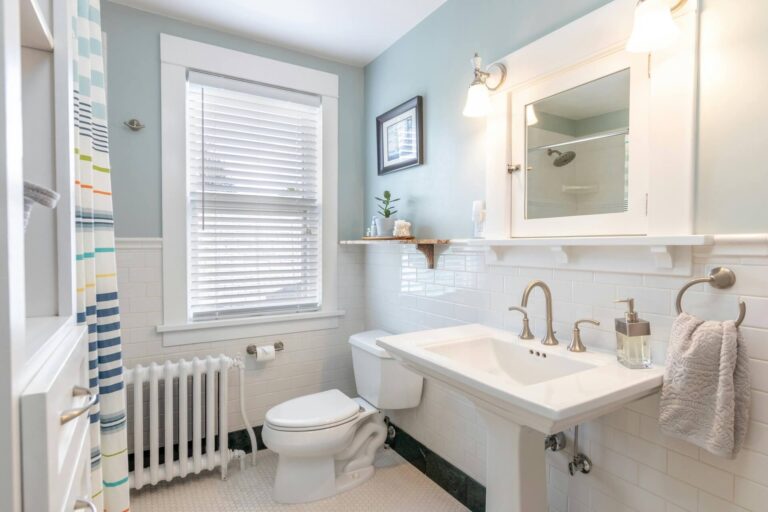
Cold bathroom tiles are a common morning nuisance that can make getting ready for work difficult in the winter. The Lasko CD08200 is specifically designed for small, damp environments like bathrooms, featuring a compact wall-mount or countertop profile. It provides a quick burst of heat exactly when needed, helping to warm a small space in minutes.
This unit includes a dedicated setting designed for safety in potentially damp areas, keeping users comfortable without risk. Its small size ensures it stays out of the way of bathroom foot traffic, yet its output is surprisingly strong for its stature.
If a cold bathroom prevents a morning routine from feeling comfortable, this is a sensible, affordable addition to the household. It is a minor investment that pays dividends in daily comfort.
Ceramic vs. Oil-Filled: Which Heater Is Right for You?
Understanding the difference between heating technologies is essential to choosing the right unit for a specific household need. Ceramic heaters use internal plates that heat up quickly and use a fan to blow warm air into the room. They are ideal for quick, supplemental heat in rooms where rapid temperature changes are needed.
Oil-filled heaters, conversely, heat a reservoir of thermal oil that stays warm for hours. They operate silently and provide consistent, radiant heat rather than forced air. They are best suited for rooms where you intend to stay for long periods, such as a nursery or a reading nook.
When deciding, consider the noise level and the desired duration of heating. Ceramic is for speed; oil-filled is for steady, quiet comfort.
Key Safety Features You Should Never Go Without
Regardless of the model, portable heaters must be treated with respect as heat-producing appliances. Always look for a unit that carries an Underwriters Laboratories (UL) or ETL certification, which ensures the product has been tested for safety standards. Never settle for a heater that lacks a tip-over switch, which cuts power immediately if the unit is knocked over.
Overheat protection is another mandatory feature, as it automatically shuts off the heater if internal temperatures rise above safe limits. Additionally, always plug portable heaters directly into a wall outlet rather than using an extension cord, which can overheat and pose a fire risk.
Keep all heaters at least three feet away from furniture, curtains, and bedding. Taking these precautions is the best way to ensure the home remains warm and safe.
How to Calculate Your Heater’s Electricity Cost
Portable heaters are power-hungry appliances, and their impact on a utility bill is determined by wattage and hours of use. Most standard heaters are rated at 1,500 watts, which is the equivalent of 1.5 kilowatts (kW) of electricity per hour. To calculate your cost, find the price per kilowatt-hour on your electric bill, which is typically listed on the statement.
Multiply the 1.5 kW rating by your local electricity rate per kilowatt-hour to get the hourly cost. For example, if your rate is 15 cents per kWh, running a 1,500-watt heater costs 22.5 cents every hour it is active.
Using this simple formula helps homeowners manage their energy budget effectively. If a heater is running 24/7, those costs will add up significantly, so use supplemental heat only when you are in the room.
Finding the right supplemental heat source is about identifying where you need the most help and choosing a tool built for that specific environment. Whether you prioritize silent operation for sleep or powerful circulation for a drafty basement, there is a reliable, safe option to meet your needs. By understanding the trade-offs between speed, noise, and energy efficiency, you can ensure your home stays cozy all winter without unnecessary strain on your budget.