
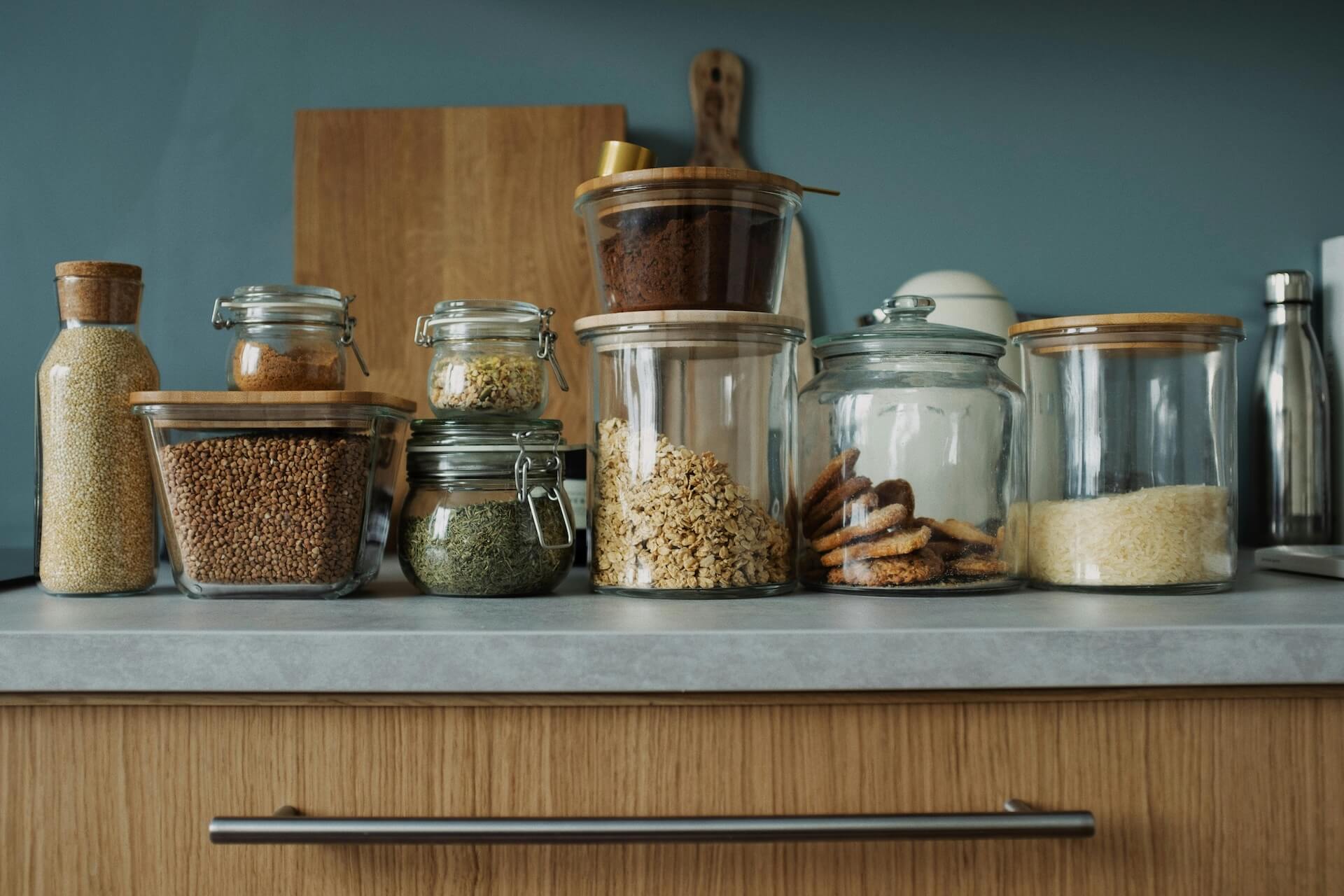
7 Fine Tip Permanent Markers for Labeling Jars
Find the 7 best fine tip permanent markers for labeling jars. Get clear, lasting labels today!
Organizing a pantry or storage closet often starts with the frustration of not knowing what is inside a jar. A reliable marker prevents the common household dilemma of mistaking salt for sugar or wondering how long that dried basil has been sitting on the shelf. Selecting the right tool ensures that labels remain legible and helpful for years to come.
Sharpie Ultra Fine: The All-Around Classic
When quick, legible identification is the priority, the Sharpie Ultra Fine is the household go-to. Its precision tip works perfectly for writing on small masking tape labels or directly onto glass surfaces in a pinch.
Because the ink is quick-drying and widely available, it fits well into any kitchen junk drawer. The standard formula adheres well to most surfaces, though it may require a quick wipe of the glass with rubbing alcohol to remove oils before writing.
Bottom line: This is the reliable, affordable choice for daily labeling tasks that do not require specialized moisture resistance.
BIC Marking Fine Point: A Dependable Value
For households that go through markers quickly, such as families labeling school supplies alongside pantry jars, the BIC Marking Fine Point offers excellent value. These markers feature a durable tip that maintains its shape even after extensive use on slightly textured jar surfaces.
The ink flow is consistent, which prevents the frustration of streaky or faded labels. While the tip is slightly thicker than an “ultra-fine” variety, it remains small enough for writing dates or contents on standard canning lids.
Bottom line: A cost-effective solution for high-volume labeling where budget and reliability are more important than ultra-precise linework.
Staedtler Lumocolor: For No-Smear Glass Labels
If you have ever accidentally smudged a label just moments after writing it, the Staedtler Lumocolor is the solution. Engineered for overhead projectors and smooth surfaces, this marker adheres to glass with remarkable tenacity.
The ink is designed to be smudge-proof and water-resistant on glass, making it ideal for jars stored in humid areas like cabinets near the stove. It provides a crisp, professional look that resists the accidental bumps and scrapes of a busy kitchen.
Bottom line: The superior choice for those who want permanent, smudge-free labels that look as good on day one as they do on day one hundred.
Pilot Super Color Fine: For Bold, Lasting Ink
Sometimes a label needs to stand out from across the room, particularly for large bulk storage jars in a basement or garage. The Pilot Super Color Fine uses an xylene-free permanent ink that creates a dense, opaque line.
This marker performs exceptionally well on glass and metal lids, providing a level of saturation that standard markers cannot match. Its heavy-duty construction makes it a sturdy tool for more demanding household environments.
Bottom line: Choose this marker when clarity and high-visibility labeling are the primary goals for bulk storage items.
Paper Mate Permanent: A Smooth-Writing Favorite
Writing on curved glass surfaces can often feel scratchy, but the Paper Mate Permanent marker offers a notably smooth experience. Its ink formula is designed to glide easily, reducing the physical strain of labeling dozens of jars at once.
This marker is particularly useful for those who prefer a comfortable grip during long organizational sessions. The ink dries reasonably fast, minimizing the risk of smearing during the labeling process.
Bottom line: Ideal for those who prioritize writing comfort and a smooth ink flow during large-scale kitchen organization projects.
Sharpie Oil-Based Fine: For Canning and Freezing
Canning, freezing, and cold-storage environments present a unique challenge for standard markers because condensation causes ink to run or fade. The Sharpie Oil-Based Fine uses an opaque paint-like ink that remains intact even in freezing temperatures or damp conditions.
Because the ink is paint-based, you must shake the marker before use to activate the pigment. Once dry, this ink is virtually impossible to remove without a solvent, making it the perfect choice for long-term storage.
Bottom line: The definitive choice for jars that will spend time in the freezer or the moist environment of a root cellar.
Zebra PM-701: A Durable, Refillable Option
For the homeowner tired of tossing plastic markers in the trash, the Zebra PM-701 features a rugged steel body. Its design feels more like a professional tool than a piece of office stationery, providing a weighted, balanced feel in the hand.
This model is refillable, which reduces long-term waste and ensures you always have a working marker on hand. While the initial investment is higher than disposable alternatives, its durability makes it a practical long-term addition to any home workshop or kitchen utility drawer.
Bottom line: A premium, eco-conscious choice for those who prefer high-quality, long-lasting tools over disposable products.
How to Remove Permanent Marker From Glass Jars
Labels eventually need to change, and permanent ink can be stubborn when it comes time to clean a jar for reuse. The most effective method is to use a high-concentration rubbing alcohol (70% or higher) on a soft cloth.
- Rubbing Alcohol: Gently rub the area in circular motions to break down the ink polymers.
- Dry Erase Marker Trick: If the ink is particularly stubborn, color over the permanent marker with a dry-erase marker and wipe immediately; the solvents in the dry-erase ink will loosen the old label.
- Hand Sanitizer: In a pinch, a dab of gel hand sanitizer often contains enough alcohol to remove fresh or lightly set marks.
Always wash the jar thoroughly with warm, soapy water after using any chemical agent to ensure no residue remains near food contact surfaces.
Oil-Based vs. Alcohol Markers: What to Know
Understanding the chemistry of your marker helps determine which will survive your specific storage conditions. Alcohol-based markers are perfect for general indoor use, but they can be easily wiped away by alcohol-based cleaners or extreme humidity.
Oil-based markers, essentially liquid paint, are far more durable because they create a physical barrier on the surface of the glass. They are much harder to remove, often requiring a specific solvent or vigorous scraping, which makes them the superior choice for jars that receive heavy handling.
Decision framework: Use alcohol markers for pantry staples that rotate every few months, and oil-based markers for long-term storage or freezer items.
Tips for Writing Clearly on a Curved Surface
Labeling a rounded jar surface often leads to distorted or slanted text. To maintain readability, focus on writing shorter labels, such as dates or ingredient names, directly in the center of the jar face where the curve is least pronounced.
If you struggle with alignment, place a piece of painter’s tape on the jar as a temporary horizontal guide before you begin writing. Resting your non-dominant hand against the side of the jar provides stability, which prevents the tip from slipping as the writing surface curves away from you.
Pro-tip: Rotating the jar slowly as you write—rather than moving your hand across the stationary surface—ensures a consistent, level line every time.
Choosing the right marker makes the difference between a disorganized pantry and an efficient, functional kitchen. By matching the durability of the ink to the specific storage needs of the household, you ensure that every container remains clearly identified, saving time and reducing kitchen confusion.


