7 Best Recycling Sorting Bins For Tight Laundry Rooms
Declutter your small laundry room! Discover the 7 best recycling sorting bins designed for tight spaces. Find your perfect fit today!
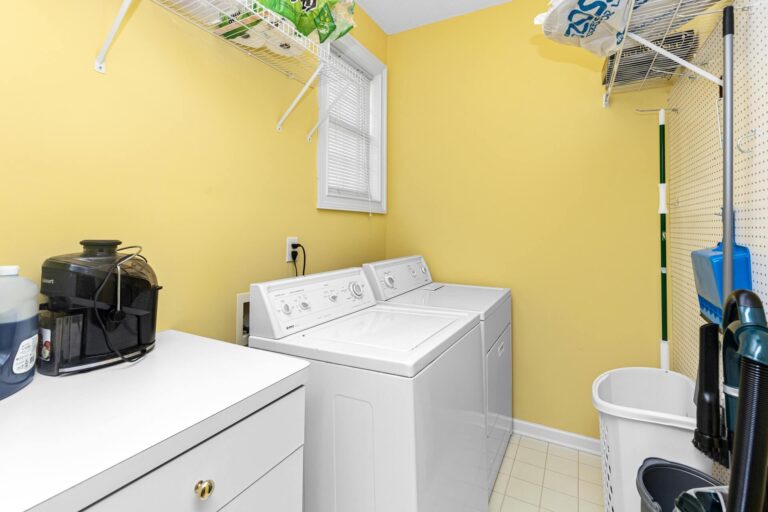
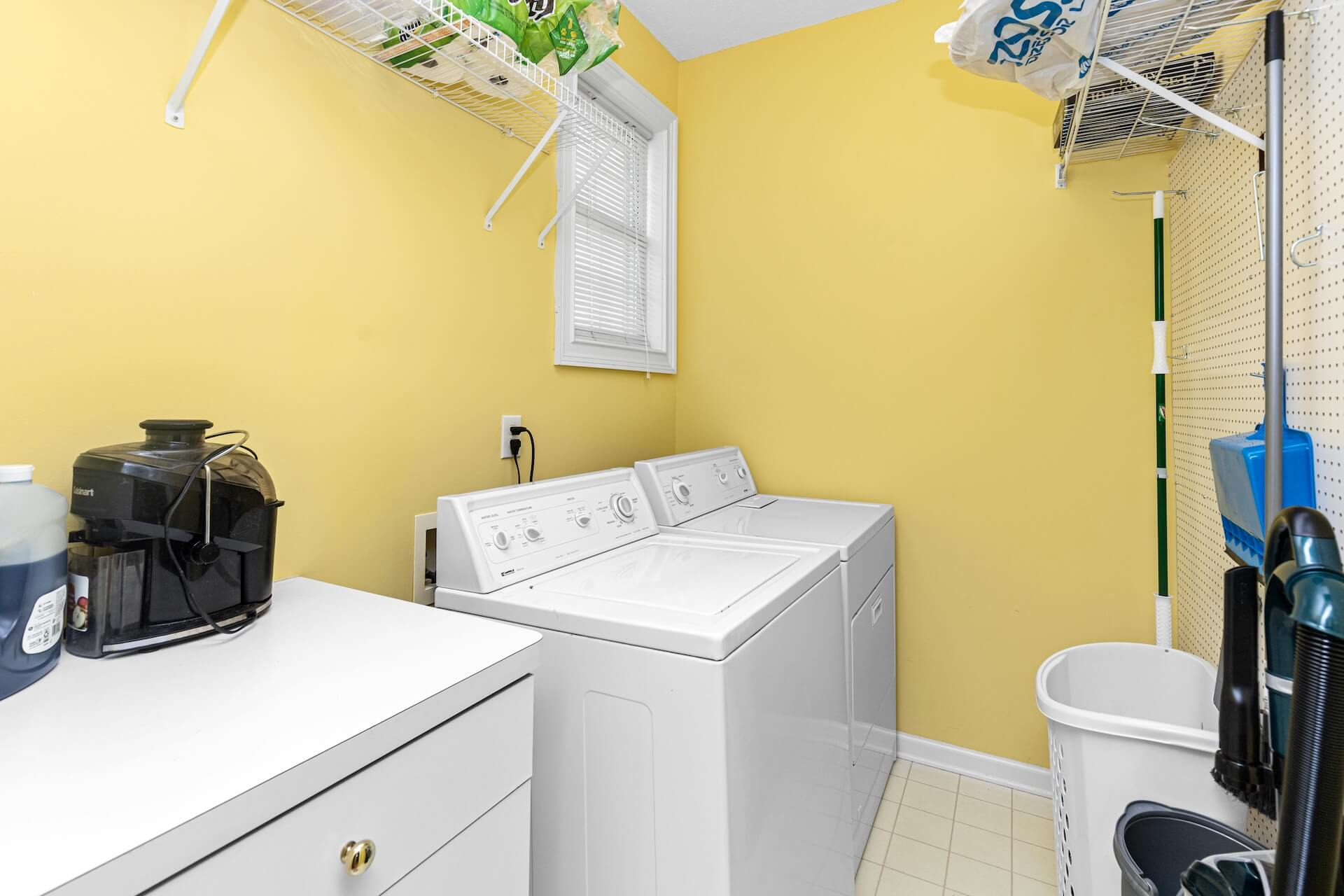
Laundry rooms often become the catch-all space for recyclables when kitchen bins reach capacity. A narrow or cramped utility room requires high-functioning equipment that balances volume with a small footprint. Selecting the right bin transforms a cluttered corner into an efficient sorting station for your home.
Simplehuman Slim Step Can: Best for Narrow Gaps
When floor space is limited, every square inch counts. The Simplehuman Slim Step Can features an elongated, narrow profile designed to slide perfectly between a washer and a wall or inside a tight utility closet. Its pedal-operated lid allows for hands-free operation, which is a major convenience when carrying a load of laundry or a stack of cardboard boxes.
The stainless steel construction provides a sleek look that holds up well in humid environments like laundry rooms. While the price point sits higher than basic plastic alternatives, the internal hinge prevents the lid from scuffing walls when opened. This makes it an ideal choice for renters who need to protect their security deposit while maximizing efficiency.
Bottom line: Invest in this model if you need a durable, space-saving bin that handles heavy use without the frustration of manual lifting.
Sterilite Stackable Bins: Best for Vertical Space
Often, the most underutilized area in a laundry room is the vertical space above the floor. Sterilite stackable bins allow for a customized sorting system where you can stack recyclables like paper, plastics, and glass in separate, tiered containers. This modular approach is particularly useful for growing families who generate more waste and need to categorize items before they hit the curb.
These bins are lightweight and affordable, making them easy to move when cleaning behind the machines. The transparent or neutral design allows for quick identification of contents, which speeds up the sorting process on busy days. Because they are inexpensive, you can purchase as many as the room height allows without breaking the budget.
Bottom line: Choose these if your floor space is non-existent and you prefer a customizable system that grows with your household needs.
Rubbermaid Brute Tote: Best for Heavy Recyclables
If the laundry room serves as the primary collection point for heavy items like glass jars or metal cans, standard thin plastic will quickly crack under the weight. The Rubbermaid Brute series is industrial-grade equipment designed to withstand significant impact and load-bearing stress. These totes are essentially indestructible, even in the coldest garage or the busiest laundry room.
These bins do not feature lids by default, which allows for fast disposal of bulky recyclables. The reinforced handles make it simple to carry the full weight out to the curb on collection day without fear of the plastic snapping. While they lack a refined appearance, their longevity far outweighs the need for aesthetic polish in a hidden utility space.
Bottom line: Opt for the Brute tote if durability is the absolute priority and your recycling habits include heavy, dense materials.
Rev-A-Shelf Pull-Out: Best for Under-Sink Sorting
For laundry rooms featuring a deep utility sink, the empty cabinet space underneath is prime real estate. Rev-A-Shelf systems mount directly to the cabinet floor, sliding out smoothly to reveal multiple bins for easy sorting. This keeps your recycling completely out of sight, maintaining a clean and orderly appearance in the room.
Installation requires basic tools and a bit of patience, but the result is a professional-grade organization system. Because it is secured to the floor of the cabinet, there is no risk of the bins tipping over or sliding around when accessed. This is a superior choice for homeowners looking to hide their recycling away from pets or small children.
Bottom line: This is the best solution for a permanent, hidden setup that keeps your floor clear and your recyclables tucked away.
Behrens Galvanized Can: Best Classic, Sturdy Bin
Metal bins offer a timeless aesthetic that complements the industrial feel of modern appliances. The Behrens galvanized can is resistant to rust, odors, and pests, making it an excellent choice for keeping damp laundry environments clean. Unlike plastic, metal does not absorb smells or warp over time when exposed to the high heat of a nearby dryer.
The heavy-duty construction ensures the bin stays put, even when empty. It also provides a fire-safe container for any paper or cardboard recyclables you might store near a heating vent. While it does not include internal dividers, using multiple smaller cans can create a simple, long-lasting sorting station.
Bottom line: Select the Behrens can if you want a heritage-quality product that will last for decades and withstand the toughest laundry room conditions.
United Solutions Sortainer: Best All-in-One Sorter
Sorting items by type—paper, plastic, and glass—saves significant time on collection day. The United Solutions Sortainer is an all-in-one system that provides multiple color-coded compartments in a single, streamlined footprint. This eliminates the need for multiple separate bins scattered across your limited floor space.
The unit is narrow enough to fit against most laundry room walls while providing ample capacity for a standard weekly haul. It is particularly effective for households that prioritize organized, systematic habits but lack the time to manage complex setups. The plastic material is easy to wipe down with a damp cloth if a leak occurs.
Bottom line: Choose this if you want a ready-to-go, organized system that takes the guesswork out of sorting your household waste.
Suncast Stacking Bins: Best for Easy-Access Fronts
Accessing a bin that is stacked beneath another can be a struggle, especially when the bin is heavy. Suncast stacking bins feature a hinged front-access door, allowing you to toss in recyclables without unstacking the entire unit. This design is a game-changer for tight laundry rooms where you cannot move bins around easily.
These bins are sturdy enough to stack three high, maximizing your storage volume in a very small footprint. The front opening is large enough for common household recyclables like plastic water bottles and milk jugs. While they are slightly more expensive than basic open-top bins, the added accessibility justifies the cost.
Bottom line: Purchase these if you want the vertical efficiency of stacking with the convenience of a front-loading design.
Measuring Your Space: Don’t Forget Vertical Height
Before purchasing any bin, take precise measurements of the intended area. It is common to measure the floor width but forget to account for dryer door clearance or low-hanging shelving that might block a bin from opening fully. Always measure the height of your shelving and the swing radius of any nearby doors or appliance lids.
Account for the fact that some bins require extra space at the top to operate a pedal or a lid. When measuring, use a piece of painter’s tape on the floor to mark off the boundaries of your potential bins to visualize how the space will feel. Ensuring your chosen bins do not impede your movement is vital for a functional workspace.
Bottom line: A little bit of planning with a tape measure will save the hassle of returning products that do not fit your specific layout.
Lidded vs. Open-Top Bins: A Practical Comparison
Lidded bins are superior for containing odors and maintaining a tidy visual, especially if the recycling is rinsed poorly before disposal. However, a lid adds an extra step to the process, which may discourage family members from using the bin correctly. If your laundry room is a high-traffic area, a lidded bin is usually worth the trade-off for a cleaner look.
Open-top bins encourage higher usage because they require zero effort to toss in an item. These are ideal for dry recyclables like cardboard boxes, plastic jugs, and paper. If you choose open-top bins, focus on choosing containers with a taller profile to hide the contents from immediate view.
Bottom line: Choose a lidded bin for items that might drip or smell, and opt for open-top containers for clean, dry, bulky recyclables.
Keeping Bins Clean: Simple Tips to Prevent Odors
Even with excellent sorting systems, bins can collect residue and develop unpleasant odors over time. Lining bins with newspaper or a paper grocery bag helps absorb moisture from any unrinsed containers. For plastic bins, a quick spray-down with a white vinegar solution once a month keeps bacteria from settling into the porous material.
If your bins are stored in a particularly tight space, consider placing a small stick-on deodorizer inside the lid or keeping a small box of baking soda taped to the side. Avoid using harsh chemical cleaners, as these can leave a residue that makes recycling center processing more difficult. Regular, simple maintenance prevents the laundry room from becoming a source of household odors.
Bottom line: A clean bin is a functional bin; make cleaning a part of your monthly laundry room routine to maintain a fresh space.
Properly organized recycling is a small adjustment that yields significant benefits in household efficiency. By choosing the right sorting tools for your specific square footage, you can create a seamless routine that makes keeping your home clean a much easier task.