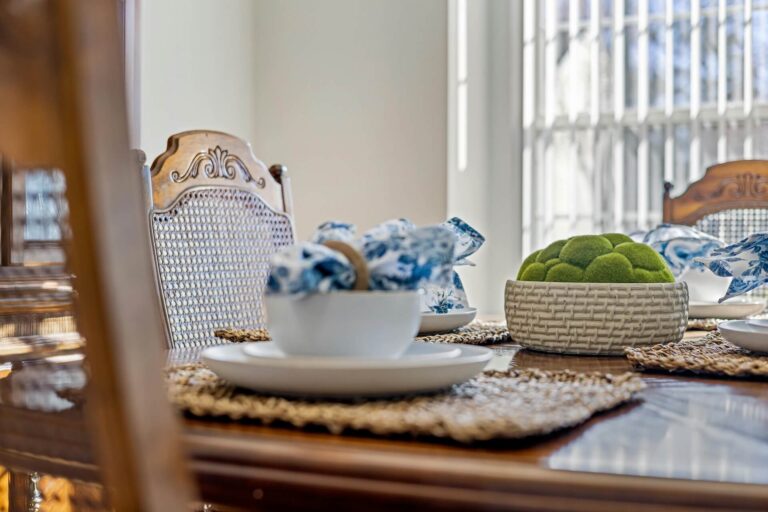
7 Best Linen Tea Towels For Wiping Down Grinding Tools
Discover the 7 best linen tea towels to keep grinding tools spotless. Shop now for superior cleaning power and durability!
Grinding tools—whether they are coffee grinders, spice mills, or metal-working bench tools—require a specific type of maintenance to keep them performing reliably. When metallic dust, oily residues, or fine particles accumulate, the wrong cleaning cloth can leave behind lint or smear the gunk rather than removing it. Linen towels are the gold standard for these tasks, offering a lint-free finish and an incredible capacity to lift oils without trapping them deep within the fabric.
Fecido European Linen: The Ultimate Workhorse Towel
This brand is frequently chosen for high-traffic environments where tools are wiped down multiple times a day. Its dense weave manages to scrub away stubborn, fine particles from metal surfaces while remaining surprisingly resistant to fraying.
Because these towels are quite thin, they fold easily, allowing access to tight corners in manual grinders or complex mechanisms. They dry almost instantly after use, which is a major advantage for busy kitchens or workshops with limited air circulation.
While the texture might feel slightly stiff at first, it softens significantly after a few trips through the washing machine. For those who want a reliable, no-nonsense tool for daily cleanup, this is the most practical entry point.
Solino Home Hemstitch: Tough on Grime, Soft Feel
If the primary goal is a towel that balances aesthetic appeal with genuine heavy-duty utility, Solino Home is a strong contender. The hemstitch detailing adds a touch of elegance, but the flax linen composition ensures it holds up against abrasive metal edges.
These towels are particularly effective for wiping down stainless steel tools that show fingerprints or oil streaks easily. The fabric is sturdy enough to withstand a firm grip when you need to apply pressure to remove caked-on residue from a tool’s exterior.
They offer a larger surface area than standard dish towels, making them ideal for wrapping tools for storage or cleaning larger surfaces. The trade-off is a slightly higher price point, but the longevity of the hemstitched edge makes them a sensible long-term investment for a well-maintained workshop.
Williams Sonoma Stripe: A Classic for a Reason
For households that prefer a balance of traditional weave and proven reliability, the Williams Sonoma striped linen towel is a staple. It utilizes a heavier weight fabric that handles moisture and oils better than thinner alternatives.
The stripes are not just decorative; they often indicate the structural reinforcement of the towel, providing a bit more “bite” when scrubbing down a stubborn burr grinder or a precision tool. They are highly absorbent, meaning they won’t just move oil around the surface of the tool.
Expect these to remain a permanent fixture in the cleaning rotation for years. While they sit at a premium price compared to bulk multi-packs, the durability of the stitching means they won’t need to be replaced after a few months of heavy use.
Thomas Ferguson Irish Linen: The Gold Standard
When only the absolute best will do, Irish linen remains the undisputed champion of the textile world. Thomas Ferguson produces towels that are exceptionally dense and tight-knit, ensuring that not a single fiber is left behind on the gears or blades of a grinding tool.
These towels are prized for their extreme longevity and their ability to become softer and more absorbent with every wash. They can handle aggressive scrubbing without showing signs of wear or thinning, which is common in cheaper cotton alternatives.
For the serious home hobbyist or the professional who treats their tools with reverence, this is the logical choice. Although the initial cost is higher, the sheer longevity of these cloths makes them a cost-effective choice over a decade of use.
Sticky Toffee Linens: Best Value for a 4-Pack
Not every cleaning task requires an heirloom-quality cloth; sometimes, a household needs a set that can be cycled through, washed, and rotated without worry. Sticky Toffee provides a balanced blend of cotton and linen that offers the best of both worlds.
The inclusion of cotton in the weave provides a bit more “grab” for fine particles, while the linen ensures the towel dries quickly and stays lint-free. This combination makes them excellent for general workshop maintenance where tools might be a bit dirtier than those in a kitchen.
The 4-pack configuration is perfect for families or small businesses that need to keep one towel in the workshop, one in the kitchen, and two in the laundry rotation. It is the best option for those who prioritize convenience and budget without sacrificing effective cleaning.
Pottery Barn Belgian Flax: Superior Absorbency
Belgian flax is renowned for its specific texture, which is arguably the most absorbent variety of linen available. This makes it ideal for wiping down tools that have been treated with light machine oils or food-grade lubricants.
The towels are soft enough to use on delicate tool finishes without worrying about scratches. Despite their softness, they possess a significant weight that allows them to hold a surprising amount of residue before they need to be rinsed out or washed.
For owners of high-end equipment who are cautious about surface damage, this is the safest route. They are a pleasure to use and feel substantial in the hand, adding a sense of professionalism to routine maintenance chores.
Rough Linen Orkney: For Heavy-Duty Workshop Jobs
When dealing with deep-seated grime, sawdust, or heavy oils, a lightweight cloth simply will not suffice. The Rough Linen Orkney line is designed for durability, featuring a thicker, more rugged weave that stands up to the most demanding tasks.
These are not the towels for light dusting; they are the towels for cleaning heavy bench grinders or restoring old tools that have been sitting in the garage. They have a tactile, almost artisanal feel that signals their strength and resistance to tearing.
While they may be overkill for a simple spice mill, they are invaluable for a dedicated workshop. If the priority is a towel that can survive years of hard labor, the Orkney is a superior, albeit rugged, choice.
Why Linen (Not Cotton) Is Best for Oily Residue
Cotton towels are designed to absorb water, but they often struggle to release oil during a standard wash cycle. When you use cotton on a grinding tool, the fibers eventually become saturated with grease, which then transfers back onto your tools during the next wipe-down.
Linen, by contrast, is a naturally smooth, non-porous fiber that does not trap oils and micro-particles within its structure. Because the surface of a linen fiber is so flat, it acts like a squeegee, lifting oil off the tool rather than soaking it into the cloth.
Furthermore, linen is naturally lint-free. When you wipe the interior of a grinder, you do not want to introduce fuzzy cotton particles into the grinding mechanism, as these can clog the burrs or interfere with the friction-based components.
How to Wash Linens to Maximize Their Absorbency
To keep linen towels effective, avoid the use of fabric softeners at all costs. Softeners leave a thin, waxy residue on the linen fibers that drastically reduces their ability to absorb oil and moisture, effectively ruining their primary purpose.
Wash your linen towels in hot water with a mild detergent, and opt for an extra rinse cycle to ensure all soap residue is removed. If the towels become particularly greasy, a small splash of white vinegar in the rinse cycle can help cut through any lingering oils.
Always air dry or tumble dry on a low setting. High heat can weaken the fibers over time, but linen is quite resilient and will generally last much longer than cotton if given this basic, consistent care.
What to Look For: Weave, Weight, and Durability
When shopping for cleaning linens, look for a “tight” weave rather than a loose or decorative one. A tight, even weave prevents particles from lodging in the fabric and provides a smoother wiping surface for precision grinding tools.
Consider the “GSM” (grams per square meter) if the listing provides it; a higher GSM indicates a heavier, more durable fabric. For a workshop, aim for something in the mid-to-high range to ensure the towel doesn’t disintegrate under pressure or snag on sharp metal edges.
Finally, check the edges of the towel. A double-stitched or reinforced hem is non-negotiable for a utility towel that will be washed repeatedly. If the edges are weak, the rest of the towel’s quality becomes irrelevant as it will eventually unravel in the machine.
Choosing the right linen towel is a small change that yields significant improvements in how you maintain your household tools. By opting for the right weave and fiber quality, you ensure your equipment stays clean, functional, and free from debris for years to come.