7 Universal Printer Stands For Small Spaces That Fit
Find 7 universal printer stands for small spaces! Maximize your area with these smart, space-saving solutions. Shop now!
A printer often becomes an unwanted centerpiece on a crowded desk, swallowing precious workspace and creating visual clutter. Finding a dedicated spot for these machines is essential for maintaining an organized home office that functions well for both bill paying and creative projects. Choosing the right stand transforms an awkward piece of hardware into a streamlined, accessible element of the room.
WALI 2-Tier Shelf: A Simple, No-Fuss Solution
For those dealing with a compact desk or a tight corner, the WALI 2-Tier Shelf offers a minimalist approach to vertical storage. By utilizing a simple metal frame and wooden shelves, it elevates the printer while providing an immediate storage cubby beneath for paper reams or ink cartridges.
It appeals particularly to homeowners who prefer an open, airy aesthetic that does not overwhelm a small room. Because of its lightweight construction, assembly is typically straightforward, requiring only basic tools and a few minutes of effort.
However, consider that the open design does not hide cords or messy supplies from view. While it saves space, it requires a neat arrangement of accessories to avoid looking cluttered.
Mind Reader 3-Tier Cart: Best for Mobility
Frequent reorganizers or those who move their office setup from the guest bedroom to the living room will appreciate the flexibility of a rolling cart. The Mind Reader 3-Tier Cart features sturdy casters that allow the printer to glide across hardwood or carpet with ease.
This unit excels in households where the printer serves multiple family members in different parts of the home. The three tiers provide dedicated slots for a scanner, a stash of printer paper, and perhaps a small tray for pens and sticky notes.
Be aware that rolling units can feel slightly less stable than static furniture. Always ensure the wheels are locked once the printer reaches its final destination to prevent accidental movement during a print job.
Sauder Select Stand: Classic Look, Tidy Storage
If the goal is to blend office equipment into the existing decor of a living room or den, the Sauder Select Stand provides a more substantial, furniture-like appearance. It features enclosed cabinetry or drawers, which are ideal for tucking away unsightly toner boxes, spare paper, and tangled charging cables.
This option serves homeowners who prioritize a clean, cohesive look above all else. Because it looks like a traditional piece of furniture, it sits comfortably alongside bookcases or side tables without shouting about its utility.
Keep in mind that these stands are heavier and generally require more assembly time than simple metal racks. Once positioned, they are usually intended to stay in one place, so measure the chosen corner carefully before construction.
Fellowes Under-Desk Cart: Tucks Neatly Out of Sight
When floor space is at an absolute premium, the best place for a printer is often underneath the desk itself. The Fellowes Under-Desk Cart is designed specifically for this role, providing a low-profile platform that slides under standard office furniture.
This is a stellar choice for renters or those living in apartments where every square inch of vertical wall space is occupied by art or shelving. It keeps the printer accessible for maintenance or paper refills without it encroaching on the work surface above.
Remember to double-check the height of the desk clearance before purchasing. If the desk has a modesty panel or a keyboard tray, ensure that the printer’s feed path remains accessible when the unit is tucked away.
SimpleHouseware Riser: Reclaim Your Desk Surface
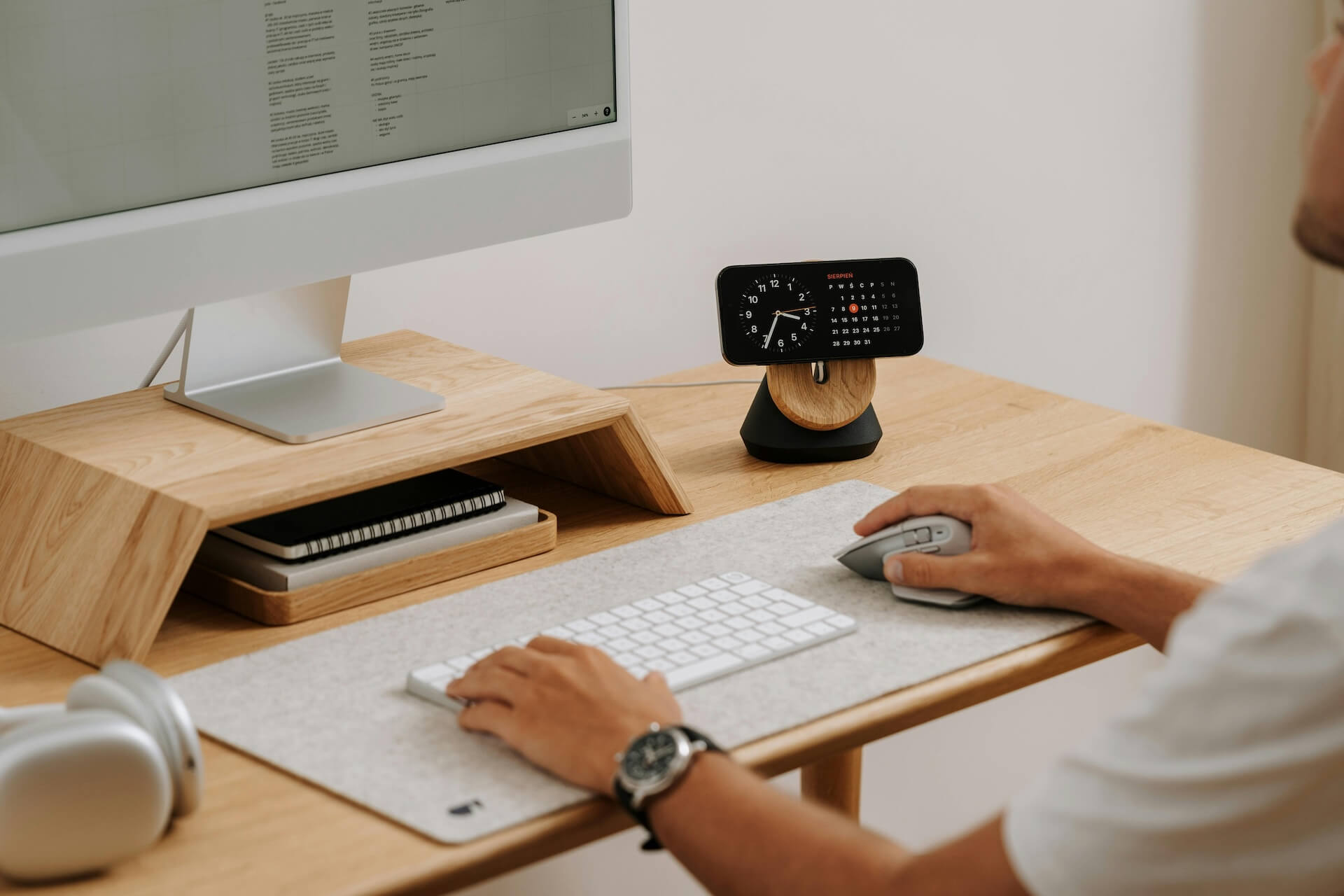
For those who refuse to move the printer far from the computer, a heavy-duty riser provides a smart compromise. The SimpleHouseware Riser sits directly on the desktop, lifting the machine just enough to allow notebooks or organizers to slide into the space directly underneath it.
This approach works wonders for small writing desks where a printer would otherwise block all usable workspace. By using the vertical footprint of the printer itself, the desk remains functional for manual tasks.
Note that this option adds height to the machine, which might make it difficult to reach the top-loading paper tray if the desk is already tall. Confirm that the height remains comfortable for the specific user before settling on this configuration.
FITUEYES Wood Stand: For a Built-in Cabinet Look
For homeowners looking for an upgrade that mimics the look of custom cabinetry, the FITUEYES wood stand offers a more polished finish. It often features a mix of open and closed storage, making it perfect for organizing a home business hub.
The sturdiness of this stand allows it to support bulkier machines or laser printers that might buckle smaller, wire-based racks. It fits well in professional environments like a home study or a dedicated craft room.
Expect a longer assembly process, as the higher material quality requires more hardware connections. Prioritize this option if the stand will be visible to guests, as it offers a much higher visual payoff than metal carts.
Seville Classics Cart: For Heavy All-in-One Units
All-in-one printers can be surprisingly heavy, and standard plastic or thin metal shelves may sag or wobble under the weight. The Seville Classics Cart is constructed with durability in mind, frequently utilizing heavy-gauge steel that provides a rigid foundation.
This is the reliable workhorse for those who own larger office machines that perform scanning, copying, and faxing. It is built to minimize vibrations during the printing process, which helps keep the machine steady and quiet.
While these are excellent for heavy-duty needs, they often come with a higher price point. If the machine is light, a more basic model will suffice, but for a heavy printer, the extra investment in quality steel prevents frustration later.
How to Measure Your Nook for the Perfect Fit
Before clicking buy, clear the intended area completely and pull out a measuring tape. It is not enough to measure the printer’s footprint; one must account for the paper output tray that sticks out when printing and the clearance required for the top lid if the unit is a scanner.
- Height: Account for the space needed to open the lid fully for document scanning.
- Width: Add two extra inches on each side to avoid scraping the wall or adjacent furniture.
- Depth: Measure from the wall to the edge of the baseboards, not just the floor area.
Ensure the path to the power outlet is clear as well. A stand that looks perfect in a corner is useless if the power cord cannot reach the wall without being stretched at an awkward angle.
Under-Desk vs. Desktop: Which Stand Is for You?
The choice between an under-desk cart and a desktop riser depends on the daily flow of the household. An under-desk unit is superior for those who value a clear, minimalist work surface and only print occasionally, while a desktop riser is best for heavy users who need to reach the printer repeatedly throughout the day.
Think about the physical effort required for maintenance. An under-desk unit requires bending down to clear paper jams, while a desktop unit keeps everything at eye level but sacrifices precious surface area.
Balance the need for accessibility against the desire for a clean aesthetic. There is no wrong choice, provided the decision is based on how often the printer is actually touched during the week.
Don’t Forget Weight: Matching Stand to Printer
Product descriptions often list a “weight capacity” that should never be ignored. A printer that exceeds the stand’s rating will eventually cause the frame to bow, the screws to loosen, or the wheels to fail entirely.
Check the printer manual or the manufacturer’s website for the exact weight of the device. If the printer is near the upper limit of a stand’s capacity, it is almost always safer to choose a more robust model rather than risking a collapse.
Remember that weight also includes paper. A full ream of paper adds several pounds to the load, so always account for the total weight when the printer is fully stocked and ready for work.
A well-chosen printer stand resolves the tension between needing a functional home office and wanting a tidy, welcoming living space. By selecting a unit that matches the weight of the machine and the constraints of the floor plan, the home becomes a more efficient and pleasant place to work. Consistency in organization is the key to a stress-free home office.