
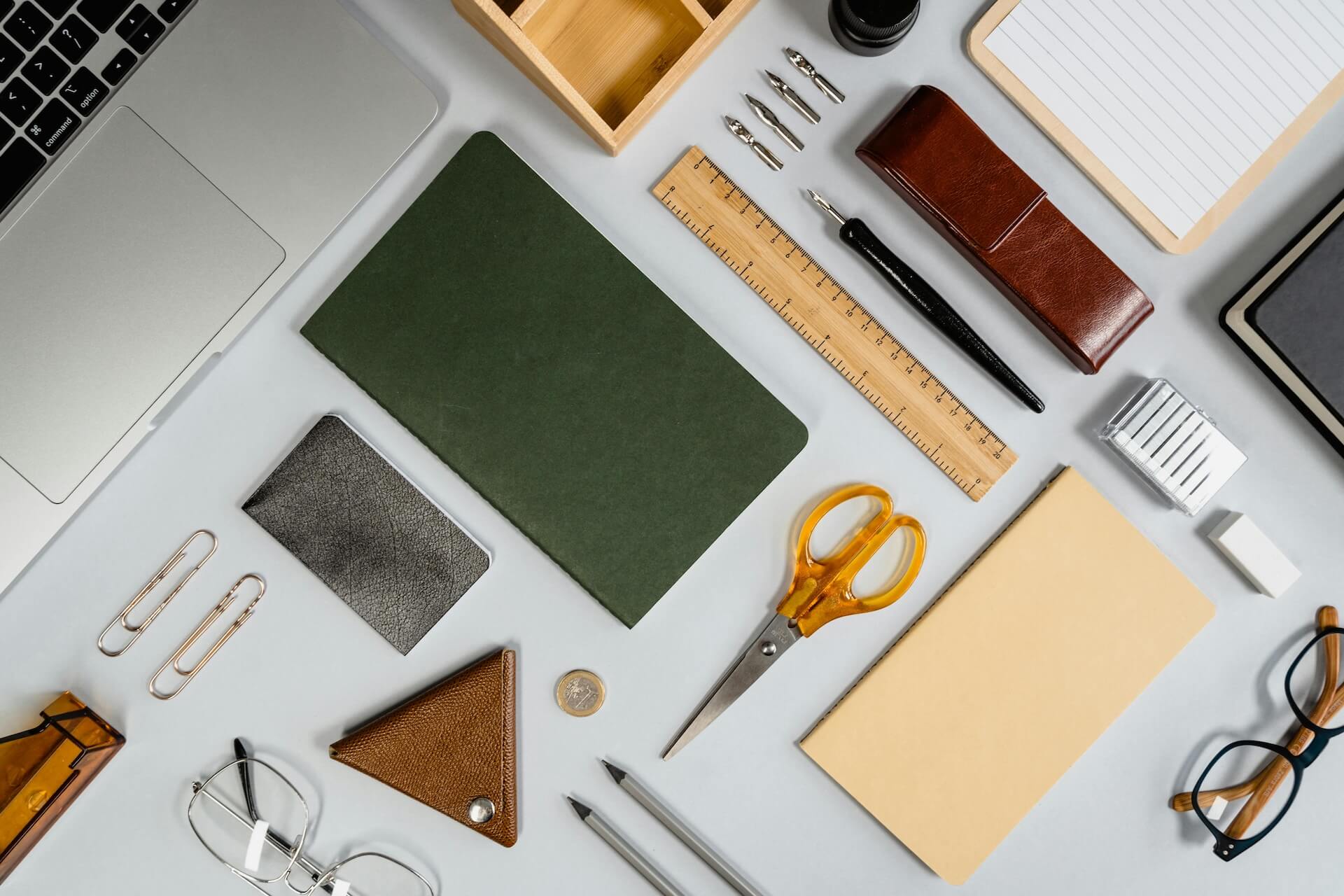
7 Best Composition Notebooks for Sketching Project Ideas
Unleash your creativity! Discover 7 top composition notebooks perfect for sketching project ideas. Find your perfect pad today!
The kitchen island or the dining room table often transforms into a makeshift studio for home renovation sketches, gardening plans, or DIY furniture designs. Having a dedicated space to capture these fleeting ideas ensures that inspiration is never lost between grocery lists and utility bills. Selecting the right composition notebook provides a permanent, organized home for project development that a loose sheet of printer paper simply cannot match.
Mead Composition Book: The Reliable Everyday Choice
When a project requires a quick sketch or a rough floor plan layout, simplicity often triumphs over high-end features. The Mead composition book remains a staple in households across the country because it provides exactly what is needed without unnecessary bells and whistles. It is the classic choice for those who need a rugged, affordable vessel for jotting down measurements or brainstorming weekend improvements.
Because these notebooks are sold in nearly every retail aisle, finding a replacement is never a struggle. The thin paper is ideal for ballpoint pens or pencils, though it may struggle with heavy ink markers. For households that frequently misplace notes or need multiple notebooks scattered around the garage and office, the low price point makes this a risk-free investment.
Bottom line: Choose this notebook if the priority is pure utility and the ability to replace it instantly without a second thought.
Top Flight Hardcover: Extra-Sturdy for Projects
Projects that span several months, such as a complete backyard landscaping overhaul, demand a notebook that can survive being tossed into a truck or tucked into a tool bag. The Top Flight hardcover offers significantly more protection than a soft-cover alternative, keeping sketches from crinkling or tearing under pressure. The rigid backing also provides a stable surface to draw against when working in areas without a proper desk or table.
This durability is particularly helpful in homes with children or pets, where a notebook might occasionally be knocked off a coffee table. While the paper quality remains standard, the structural integrity of the cover preserves the longevity of the contents. It functions as a lightweight, portable project file that stands up to regular movement.
Bottom line: Opt for this model if the project involves frequent travel between the hardware store, the job site, and the home office.
Five Star Notebook: Built to Withstand Daily Use
Five Star notebooks are engineered for those who treat their project planning with the intensity of a school assignment. With reinforced seams and water-resistant covers, these notebooks are designed for environments where spills or rough handling are common risks. The heavy-duty binding ensures that pages do not fall out after weeks of flipping back and forth between sketches and notes.
For the homeowner managing multiple ongoing projects, these notebooks offer a level of reliability that prevents frustration. The paper is slightly more robust than budget options, allowing for clearer lines and less risk of tearing during heavy erasing. It is a pragmatic choice for anyone who values longevity over aesthetics.
Bottom line: Select a Five Star notebook when the project plan needs to survive the wear and tear of a busy, active household.
Staples Comp Book: Best Value for Bulk Projects
Managing a large-scale home renovation often involves distinct notebooks for plumbing, electrical, and interior design. The Staples brand composition book is the most practical solution for households that need to stock up on supplies for complex projects. They provide a uniform, predictable experience that makes it easy to archive project history once the work is complete.
While these notebooks lack luxury finishes, they serve as the perfect “blank slate” for rapid sketching. They are lightweight, stackable, and easy to label on the spine for shelf storage. When affordability is the primary constraint, buying these in multi-packs allows for dedicated notebooks for every room in the house.
Bottom line: Rely on these for bulk planning needs where individual notebooks will be assigned to specific, separate project phases.
Denik Layflat Notebook: Stays Open on Your Table
Sketching complex diagrams becomes difficult when a notebook fights to snap shut under its own weight. The Denik layflat binding solves this common nuisance by allowing the notebook to sit perfectly flat on a flat surface. This feature is a game-changer for anyone who needs to hold a tape measure in one hand and draw with the other.
Because the book stays open, it is easy to reference previous measurements or material lists while working. This convenience reduces the time spent fumbling with page markers or clips. It is a slightly more premium option that justifies the cost through improved focus and efficiency.
Bottom line: Invest in this notebook if the project involves detailed drawing or referencing complex diagrams that require hands-free viewing.
Leuchtturm1917 B5: For Smoother Pen and Ink Work
For projects that require fine-detail sketches, such as architectural drawings or intricate garden layouts, the quality of paper dictates the success of the output. The Leuchtturm1917 features archival-quality paper that handles ink pens with precision, preventing the “feathering” or bleeding seen in cheaper alternatives. The B5 size offers a generous amount of surface area, providing more room than a standard composition book for detailed mapping.
The inclusion of page numbers and a table of contents makes this an excellent tool for project indexing. Homeowners who like to keep long-term records of house systems—like where the water shut-off valves are located—will appreciate the organized nature of this format. It is a tool for those who view their project planning as a permanent reference library.
Bottom line: Choose this if the project involves precision work and requires a long-term, high-quality reference book for the household.
Decomposition Book: For an Eco-Conscious Project
Functionality does not have to come at the expense of environmental responsibility. Decomposition books are made from 100% post-consumer waste recycled paper, offering a conscience-clearing option for the environmentally minded homeowner. These notebooks often feature unique, artistic covers that stand out on a shelf, making it easy to distinguish them from standard office supplies.
Beyond the materials, these books are well-constructed and sturdy enough for daily drafting. They provide a smooth writing surface that performs surprisingly well with fountain pens or gel inks. It is a thoughtful choice for those who want their home projects to reflect their values.
Bottom line: Pick a Decomposition book if a sustainable footprint is a priority and you enjoy a unique, aesthetic touch to your workspace.
Avoiding Ink Bleed: What to Look for in Paper
Ink bleed is the primary enemy of clear sketches and legible project notes. When shopping, look for paper weight measured in grams per square meter (GSM); anything over 80 GSM is generally safe for standard pens. Thinner paper often leads to “ghosting,” where the mark is visible on the reverse side of the page, making it difficult to use both sides of the sheet.
Before committing to a brand, test a small corner of the back page with the pen most frequently used for planning. If the ink pools or seeps through, the notebook will eventually become cluttered and difficult to read. Remember that higher-quality paper is often worth the extra expense if the goal is to keep the notebook as a long-term reference.
Bottom line: Always prioritize higher GSM paper if the intention is to use permanent markers or fountain pens for project sketches.
Sewn Binding vs. Lay-Flat: A Practical Guide
Binding style fundamentally changes how a notebook interacts with a workspace. Sewn bindings, common in traditional composition books, are durable and keep pages secure for years, though they can be stiff initially. These are ideal for throwing into a tool box, as the pages are less likely to snag or tear at the spine.
Lay-flat bindings utilize a specific glue or stitch process that allows the notebook to remain open without constant pressure. This is essential for hands-free work where you are constantly shifting between a desk and a project site. Choose sewn bindings for rugged, long-term storage and lay-flat bindings for active, workspace-based planning.
Bottom line: Base the binding choice on whether the notebook will live primarily on a desk or get tossed into a bag for site visits.
How to Set Up Your Notebook for Project Planning
A successful project notebook requires a simple, consistent system. Start by designating the first three pages as an index, noting the project name and the corresponding page numbers. This allows for quick retrieval of information, such as paint codes or hardware sizes, months after the project is complete.
Use consistent symbols for your sketches: one mark for structural items, another for design notes, and a third for shopping lists. Consider taping a small envelope inside the back cover to hold receipts, paint swatches, or small material samples. By treating the notebook as a living document rather than a simple scratchpad, the entire project remains organized from start to finish.
Bottom line: The most expensive notebook is useless without a basic index system to help find the information later.
Establishing a consistent habit of capturing project details in a dedicated notebook simplifies the transition from an idea to a finished home improvement. By matching the durability, size, and paper quality to the specific needs of the task, you can ensure that the planning process is as efficient as the work itself. Prioritizing these practical features over aesthetic trends will keep projects organized and stress-free for years to come.

