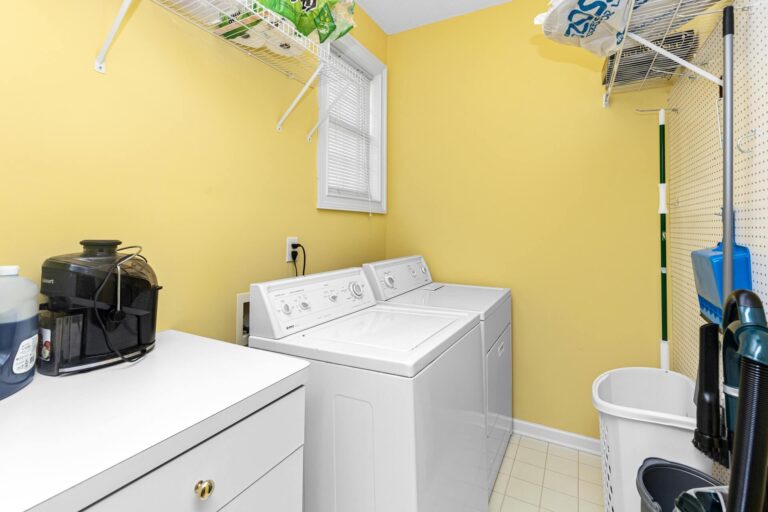
6 Vacuum Storage Bins For Small Laundry Rooms That Save Space
Maximize your tiny laundry room with these 6 vacuum storage bins. Discover space-saving solutions that declutter and organize!
Laundry rooms often become catch-all spaces where seasonal linens, winter coats, and bulky guest bedding compete for limited shelf real estate. Proper organization in these cramped quarters relies on maximizing vertical space while protecting items from dust, moisture, and pests. Vacuum storage solutions offer the most effective way to shrink soft goods, turning a chaotic shelf into a streamlined, manageable system.
Ziploc Space Bag: The Classic, Reliable Choice
When it comes to household staples, sticking with a proven brand often prevents the frustration of mid-season bag failures. Ziploc Space Bags are widely accessible and provide a consistent seal that holds up well for standard, light-duty household storage needs.
These bags excel in small laundry rooms where ease of use is the priority. The reliable valve mechanism and straightforward zipper closure ensure that even those who dislike complicated storage systems can master the process in seconds.
- Best for: Seasonal clothing rotations and occasional guest bedding.
- Tradeoff: The plastic thickness is thinner than premium alternatives, making them prone to punctures if used for sharp-edged items.
- Bottom line: A cost-effective, dependable entry point for homeowners who need a quick organizational win without researching specialized materials.
SpaceSaver Premium Bags: Best for Bulky Bedding
Bulky comforters and heavy quilts present the biggest challenge for laundry room shelves, often sliding off or hogging entire cabinets. SpaceSaver Premium bags are engineered with thicker, triple-seal valves designed specifically to handle large volumes of trapped air.
The reinforced material resists the pressure of heavy loads, making these ideal for high-loft items that tend to “fight back” against weak plastic. If the laundry room shelf is deep but narrow, the structural integrity of these bags helps maintain a flat profile once compressed.
- Best for: Extra-thick comforters, down pillows, and seasonal mattress pads.
- Tradeoff: The thickness can make the bags stiff and slightly harder to maneuver into tight corners.
- Bottom line: Prioritize these if you are storing high-value bedding that requires extra protection and long-term compression.
Suob Vacuum Storage Bags: Most Durable Material
For households where storage bins are frequently moved, pulled, or stacked, durability becomes more important than raw compression. Suob bags feature heavy-duty, puncture-resistant polymers that hold up better against the wear and tear of active laundry rooms.
These are particularly useful in shared household spaces where children or multiple family members might be handling stored items regularly. The robust construction minimizes the risk of micro-tears that lead to slow, unnoticed re-inflation.
- Best for: Frequent storage access and homes with high-traffic laundry rooms.
- Tradeoff: These represent a higher upfront investment compared to standard supermarket brands.
- Bottom line: Spend the extra money here if the storage area is prone to rough handling or if items will be removed and replaced multiple times per year.
Hibag Roll-Up Bags: The No-Vacuum-Needed Option
Not every storage project requires a heavy appliance, especially when dealing with smaller batches of towels or linens. Hibag roll-up bags use manual pressure to push air out through a one-way valve, eliminating the need for a vacuum hose entirely.
These bags are perfect for small apartment laundry closets where floor space is non-existent and reaching for a vacuum is impractical. They provide enough compression for soft, non-structured items like spare kitchen linens or lightweight throw blankets.
- Best for: Small batches of linens, travel packing, or tight spaces without power outlets.
- Tradeoff: Manual compression is physically demanding and generally achieves less volume reduction than electric vacuuming.
- Bottom line: Use these for smaller, manageable piles where convenience and portability outweigh maximum space saving.
Storage Master Cube Bags: Easiest for Stacking
Standard flat vacuum bags often result in uneven, slippery piles that eventually topple over in a small laundry closet. Storage Master Cube bags are designed with a gusseted bottom, allowing them to form a boxy, stable shape after vacuuming.
This geometric improvement allows you to stack items like bricks, maximizing the square footage of a laundry shelf. By creating a shelf-like footprint, you reduce the risk of stacks leaning or falling against plumbing pipes or laundry detergent bottles.
- Best for: Creating stable, modular stacks on deep wire or wood shelving.
- Tradeoff: These require careful folding of linens to match the internal dimensions for the best results.
- Bottom line: If your goal is to turn a messy shelf into an orderly “linen closet” look, the cube design is the most practical choice.
BoxLegend Bags: Top Pick for Long-Term Storage
When items are meant to stay in storage for the entire off-season, you need a system that resists the subtle leaks common in cheaper products. BoxLegend bags are noted for their robust, double-zip seals and high-quality valves that hold a vacuum seal for six months or longer.
These are a preferred choice for storing heirlooms, out-of-season guest sets, or delicate fabrics that shouldn’t be exposed to the ambient humidity of a laundry room. The materials are specifically treated to remain flexible over time, preventing the “cracking” that occurs in low-quality plastics.
- Best for: Long-term storage of expensive textiles or delicate fabrics.
- Tradeoff: These are overkill for items that you rotate frequently, as the seals are designed for permanence rather than repeated opening.
- Bottom line: Invest in these for your “set it and forget it” storage needs to ensure items remain fresh until the next use.
Choosing the Right Size for Laundry Room Shelves
Before purchasing, always measure the interior dimensions of your shelves rather than just the exterior cabinet door. A common error involves selecting bags that are too wide, which causes them to overhang and sag over time.
Aim for bags that leave at least an inch of clearance on all sides of the shelf. This prevents rubbing against shelf brackets or walls, which can cause premature punctures. For deep shelves, it is almost always more efficient to use two smaller bags side-by-side than one massive, unwieldy bag.
How to Keep Your Sealed Bags From Re-Inflating
A re-inflating bag is usually the result of a faulty seal or a microscopic puncture caused by a sharp corner. Always double-check the zipper track by running your fingers along it firmly, then use the provided plastic slider to ensure a complete, airtight closure.
If a bag fails, inspect the interior for hidden zippers, buttons, or rigid decorative elements that might have pierced the plastic during compression. Pro-tip: Place a piece of packing tape over the valve cap after sealing to ensure it stays securely closed and airtight.
What Linens You Should Never Put in a Vacuum Bag
Natural fibers, particularly wool and high-quality down, need “breathing room” to maintain their loft and integrity over time. Vacuum-packing these for extended periods can permanently compress the fibers, ruining the fluffiness and insulation properties of a quality comforter or sweater.
Avoid sealing any item with sharp embellishments, such as heavy embroidery, sequins, or metal fasteners, as these will inevitably tear the bag. If you must store items with buttons or zippers, turn them inside out or wrap the edges in soft fabric before putting them into the bag to protect the plastic.
Storing Bags Upright vs. Flat: What Works Best
Storing vacuum bags flat is generally safer for the integrity of the seal, as it prevents the weight of the item from pulling on the zipper. However, if your shelves are narrow, storing bags upright like file folders can save significant horizontal space.
If you choose to store them upright, ensure they are placed within a rigid container or bin to prevent them from sliding or expanding. Never allow a vacuum bag to lean directly against a rough or jagged surface, as even a minor vibration can create a tiny, slow-leaking hole.
Effective laundry room organization is less about buying the most expensive products and more about choosing the right tool for your specific storage constraints. By selecting the correct bag shape and material, you can transform your laundry area from a cluttered mess into a functional, orderly space that serves your household for years to come.