7 Best External Keyboards for Laptop Users That Last
Boost productivity with 7 long-lasting external keyboards for laptops. Find your perfect upgrade today!
The thin membrane keys on a modern laptop often prioritize portability over long-term durability and tactile comfort. Repeated typing for work or household budgeting can lead to finger fatigue and unnecessary strain on the wrists. Investing in a dedicated external keyboard transforms a cramped workstation into a functional hub designed for longevity and comfort.
Logitech MX Keys: The All-Around Best Investment
For the home office user who spends hours managing spreadsheets or drafting correspondence, the Logitech MX Keys offers a premium feel without the steep learning curve of mechanical boards. Its low-profile design provides a stable, whisper-quiet typing experience that mimics a laptop’s responsiveness while offering more substantial support.
The solid, metal-plated construction ensures the device stays firmly in place on any desk surface, from a sturdy oak table to a folding tray. The intelligent backlighting detects hand proximity, conserving battery life while ensuring visibility during late-night projects.
While the price point is higher, the build quality justifies the cost through years of consistent performance. It serves as an ideal centerpiece for a shared household office where multiple family members might rotate through the workstation.
Microsoft Sculpt: Best for All-Day Typing Comfort
Individuals dealing with recurring wrist discomfort often find relief in the domed shape of the Microsoft Sculpt. Its split-keyboard layout encourages a more natural hand position, which helps reduce the tension that builds up after a full day of typing.
The separate number pad allows for flexible desk arrangements, enabling a more comfortable reach for the mouse. This modular design proves especially useful in smaller living spaces where surface area remains at a premium.
Note that the unique layout requires a brief adjustment period for those accustomed to standard rectangular keyboards. Once the muscle memory develops, the ergonomic benefits usually outweigh the initial learning curve.
Logitech K860: Top Pick for Natural Wrist Support
When typing becomes a source of physical stress, the Logitech K860 stands out for its integrated, pillowed wrist rest. The curved, split-key frame promotes a more relaxed posture for the shoulders and forearms, preventing the hunched-over sensation common with flat laptop keyboards.
The adjustable tilt legs offer three different angles, allowing the user to customize the setup for a standing desk or a traditional seated position. This level of customization ensures that the device accommodates varying heights and desk configurations found throughout the home.
Because of its larger footprint, it suits dedicated desk spaces rather than cramped coffee tables. The investment in this keyboard functions as a proactive measure against long-term repetitive strain.
Dell KB216 Wired: The Simple, Can’t-Fail Option
Not every workspace requires complex features or wireless connectivity. The Dell KB216 represents the gold standard for no-nonsense reliability, providing a basic, spill-resistant design that is ready to work the moment it is plugged into a USB port.
For households with students or those who simply need a reliable backup, this wired keyboard eliminates the need for battery replacements or pairing issues. It is an affordable, practical solution that holds up surprisingly well under daily, heavy-duty use.
While it lacks the sophisticated bells and whistles of high-end models, its simplicity is its greatest strength. It is the perfect choice for a secondary computer or a busy kitchen desk where durability matters more than aesthetics.
Logitech K380: Best for Use All Around the House
The Logitech K380 excels in versatility, allowing for seamless switching between a tablet, a smartphone, and a laptop. Its compact size and lightweight profile make it easy to carry from the kitchen counter to the living room chair.
- Space-saving: Ideal for apartments or small homes with limited desk space.
- Multi-device: Pairs with three devices simultaneously, perfect for multitasking between work and personal projects.
- Portability: Slides easily into a bag for travel or storage in a drawer when not in use.
Despite its small stature, the keys possess a satisfying snap that makes typing surprisingly comfortable for longer sessions. It proves that a keyboard does not need to be massive to be effective for the average user.
Keychron K2: For a Sturdy, Satisfying Typing Feel
For those who crave the tactile feedback of mechanical switches, the Keychron K2 offers a robust experience without the bulk of a full-sized gaming keyboard. Each keystroke delivers a distinct, satisfying click that provides clear confirmation of every letter typed.
Its sturdy frame is built to last, providing a heavy, grounded feel that prevents the device from sliding during intense typing sessions. This model bridges the gap between a professional office tool and a high-quality hobbyist peripheral.
Choose between different switch types to determine how loud or firm the keys feel under the fingers. It is an excellent choice for a home office where a high-performance, long-lasting peripheral is desired.
Apple Magic Keyboard: The Go-To for Mac Laptop Users
Mac users often prefer the Apple Magic Keyboard for its seamless integration and familiar key layout. The low-profile keys require minimal force, making them ideal for individuals who prefer a lighter, faster touch when typing.
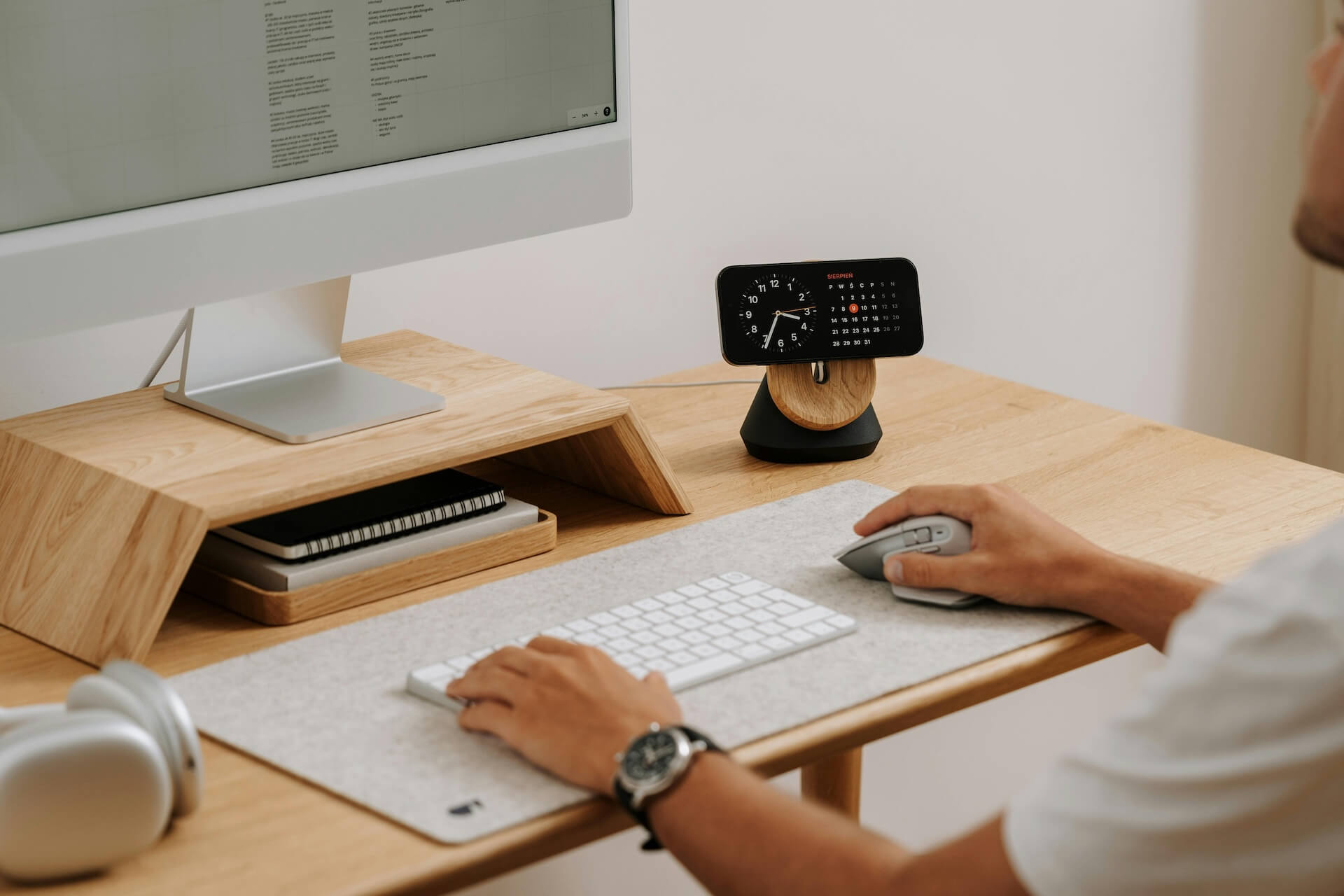
Its incredibly thin profile makes it a natural companion for a minimalist desk setup. The battery life is exceptionally long, and the keyboard maintains a clean, clutter-free look that complements any modern home decor.
While designed specifically for Apple ecosystems, the trade-off is a lack of compatibility with various PC-specific shortcuts. For a dedicated Mac household, however, this remains the most reliable and aesthetic choice available.
Ergonomic Keyboards: Are They Really Worth It?
Ergonomic keyboards move beyond simple comfort to address the physical alignment of wrists, arms, and shoulders. They are not merely luxury items; they are practical tools designed to prevent the aches and pains associated with modern computing.
- Consideration: Does your work involve typing for more than four hours per day?
- Trade-off: Ergonomic boards require a learning period where typing speed may decrease before eventually increasing.
- Practicality: Ensure the keyboard fits your existing desk depth to allow the wrist rest to function properly.
For the vast majority of homeowners, switching to an ergonomic model is a preventative health choice. If regular typing creates persistent stiffness or fatigue, the cost of the device is significantly lower than the cost of addressing repetitive strain injuries later.
Wired vs. Wireless: Which Is Best for Your Desk?
Wired keyboards offer the ultimate convenience of never needing to track down batteries or manage charging cables. They provide a constant, reliable connection that never lags or suffers from interference, which is perfect for a primary, permanent office setup.
Wireless keyboards, conversely, offer a clean, cable-free desk that is much easier to keep organized. They allow for flexible storage, letting you clear the desk surface in seconds if the area needs to double as a dining or project space.
- Choose Wired if: You have a permanent desk, prioritize set-and-forget simplicity, and don’t mind one extra cord.
- Choose Wireless if: You move your laptop frequently, have a small desk where clutter is an issue, or prefer a clean, minimalist aesthetic.
Ultimately, the choice depends on your tolerance for cable management and how often you need to clear your workspace. Both options offer longevity, provided the connection type aligns with your specific desk habits.
Keeping Your Keyboard Clean and Working for Years
Dust, crumbs, and oils from skin are the primary enemies of any keyboard’s longevity. A simple routine of turning the keyboard upside down and giving it a gentle shake once a week prevents debris from getting stuck under the keys.
For deeper cleaning, use a small canister of compressed air to blow out dust from between the keys. Avoid using harsh chemical sprays or excess water, as these can easily damage the sensitive internal electronics.
A quick wipe-down with a slightly damp microfiber cloth keeps the keys looking new and prevents the buildup of bacteria. Following these small, consistent maintenance steps ensures that even the most budget-friendly keyboard remains a reliable fixture in the household for years.
Selecting the right keyboard is less about finding the most advanced tech and more about matching a tool to your specific workspace and physical needs. By prioritizing comfort and reliability, you can ensure your home office remains a productive and pain-free space for years to come.