
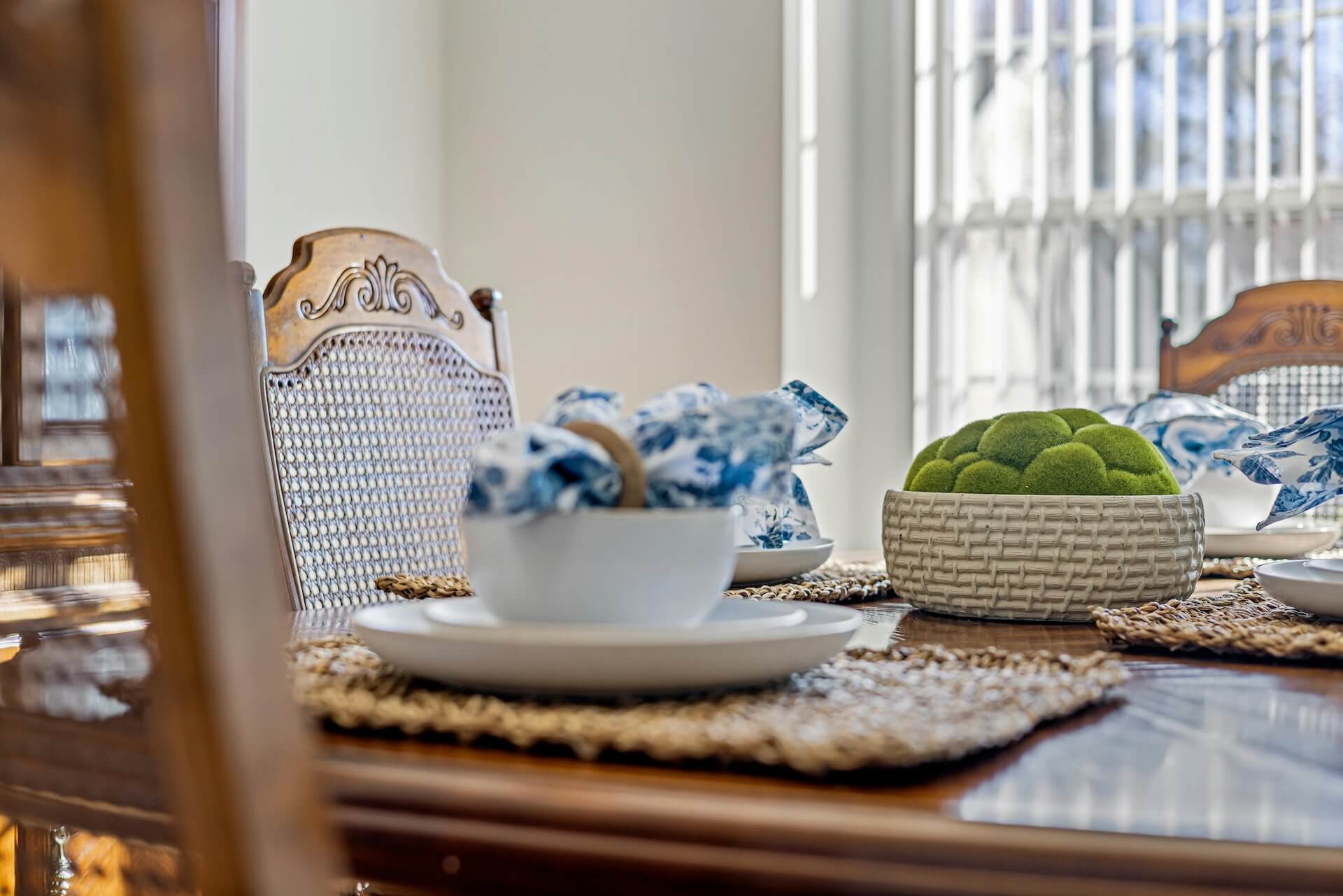
7 Best Wood Furniture Oils for Dining Room Tables
Protect your dining table! Discover the 7 best wood oil treatments for lasting beauty and care. Shop now for durable results!
A dining room table serves as the silent witness to every life stage, from messy after-school art projects to holiday dinner parties. Over time, daily use strips away the natural luster of wood, leaving surfaces prone to water rings, scratches, and dullness. Selecting the right oil treatment revitalizes these pieces, ensuring that the heart of the home stays beautiful and protected for years to come.
Howard Feed-N-Wax: Best for a Quick Polish
When a table looks tired after a long week of heavy use, there is rarely time for a multi-day refinishing project. Howard Feed-N-Wax combines beeswax, carnauba wax, and orange oil to provide an immediate, refreshing glow. It is the ideal solution for households that need to spruce up a dining area before guests arrive without dealing with intense odors or long drying times.
Because this is a blend of polish and conditioner, it excels at hiding light surface scratches and preventing wood from drying out or cracking. It works best on finished wood that has lost its sheen, rather than bare, raw lumber.
- Best for: Busy households that need a quick, regular touch-up.
- Bottom line: Keep a bottle in the cleaning cupboard for monthly maintenance; it is an inexpensive way to keep wood looking hydrated.
Watco Danish Oil: Best for a Hand-Rubbed Finish
For those seeking a classic, high-end look without the complexity of traditional varnish, Danish oil is a reliable choice. It penetrates deep into the wood fibers rather than sitting on top, which creates a warm, matte to satin finish that feels like real wood. It is an excellent pick for solid wood tables where the grain pattern is a central design feature.
Application is straightforward, though it requires patience as the oil needs time to soak in and cure properly. The result is a hardened finish that is much easier to repair than a thick layer of polyurethane if a scratch eventually occurs.
- Best for: Restoring character to antique or solid wood tables that have seen better days.
- Bottom line: If you value a soft, natural aesthetic over a high-gloss plastic look, this is the gold standard.
Minwax Tung Oil Finish: Best for Water Resistance
Dining tables face constant moisture, from condensation on water glasses to spills during dinner. Minwax Tung Oil Finish is engineered to create a more robust barrier against liquids than standard polishing oils. It provides a durable, hand-rubbed appearance that stands up significantly better to the rigors of a family dining environment.
While it mimics the look of traditional tung oil, this specific formulation contains drying agents that make the process much faster for the average homeowner. It is a smart middle ground for someone who wants protection but does not want the high-maintenance upkeep of a full varnish.
- Best for: Families with young children or homes where the dining table doubles as a desk.
- Bottom line: Choose this if your primary concern is preventing water rings and moisture damage.
Walrus Oil Furniture Butter: Top Food-Safe Option
In many homes, the dining table is also the primary surface for baking cookies, rolling out dough, or preparing produce. Walrus Oil Furniture Butter offers peace of mind because it is formulated with food-safe ingredients, including coconut oil, beeswax, and mineral oil. It is a dense, creamy product that deeply conditions wood without leaving a synthetic chemical residue behind.
This product is particularly useful for dining tables that have raw wood elements or serve as a multipurpose kitchen surface. It is easy to apply with a soft cloth and leaves a subtle, pleasant scent that does not compete with dinner aromas.
- Best for: Eco-conscious households and surfaces used for direct food contact.
- Bottom line: It is the safest choice for families who prioritize natural ingredients in their home care routine.
Old English Lemon Oil: Best for Weekly Upkeep
Sometimes a table simply needs a light dusting and a slight boost in moisture to look its best. Old English Lemon Oil has been a staple in American homes for generations because of its simplicity and effectiveness on finished wood surfaces. It acts primarily as a cleaner and a conditioner, pulling away dust while infusing the wood with a mild, fresh scent.
This is not a heavy-duty protectant or a wood sealer, so it should not be expected to fix deep scratches or prevent water damage. However, for a routine cleaning that prevents the wood from looking dusty and gray, it is incredibly efficient and accessible at almost any local store.
- Best for: Quick, weekly maintenance to keep furniture looking polished and clean.
- Bottom line: It is the ultimate convenience product for those who prefer small, frequent maintenance over large, occasional projects.
General Finishes Arm-R-Seal: Most Durable Coat
If a dining table is subject to heavy daily abuse—such as constant homework, craft projects, or pets—a simple oil may not suffice. General Finishes Arm-R-Seal is a top-coat oil-based urethane that provides the durability of a varnish with the ease of an oil application. It creates a hard, protective shell that is resistant to heat, alcohol, and general wear and tear.
While this takes longer to cure than the other products on this list, it offers the highest level of protection. Once applied, a dining table can withstand years of heavy activity without requiring a full strip-down or refinish.
- Best for: Households that need a “set it and forget it” solution for high-traffic surfaces.
- Bottom line: It is the best investment for homeowners looking for long-term protection against daily wear.
Mahoney’s Walnut Oil: Best for Natural Grain
For woodworkers and those who cherish the natural beauty of timber, Mahoney’s Walnut Oil is a classic, pure choice. It is a non-toxic, hardening oil that brings out the depth and chatoyancy—the shifting light effect—of wood grains like walnut, cherry, and oak. It dries much harder than standard mineral oils, offering a lovely, natural finish that improves with age.
Because it is a pure product, it takes longer to cure than mass-market blends, but the aesthetic payoff is superior. It enhances the wood without masking the texture, allowing the character of the grain to remain the focal point of the room.
- Best for: High-quality wood furniture where preserving the natural look is the top priority.
- Bottom line: Choose this if you prefer a sophisticated, organic look that honors the material.
Penetrating Oil vs. Polish: What Your Table Needs
Understanding the difference between a penetrating oil and a surface polish is vital for proper care. Penetrating oils, like Danish or Tung oil, soak into the wood to nourish it from the inside out, providing a long-term, low-luster finish. They are intended for use on bare or previously oiled wood and provide a more permanent, repairable solution.
Polishes, conversely, are surface treatments designed to sit on top of an existing finish, providing an immediate shine and protection against dust. Polishes are meant for finished furniture and should be used to maintain, not restore, the wood. Using a polish on bare wood will result in a sticky, uneven mess, while using an oil on a finished, lacquered table will often simply sit on the surface without soaking in.
- Decision rule: If your table feels dry or has bare spots, choose a penetrating oil. If your table has a glossy, factory-made finish and just needs a shine, choose a polish.
How to Apply Oil Without Streaks or Sticky Spots
The most common mistake when oiling a table is using too much product. Excess oil that is not wiped away will become gummy, sticky, and eventually attract dust and debris. Always apply the oil sparingly with a lint-free rag, working in the direction of the wood grain to ensure even distribution.
After letting the oil sit for the time recommended on the label, it is critical to buff the surface with a clean, dry cloth until no residue remains. If the surface still feels tacky to the touch, you have applied too much and need to continue wiping until the wood feels smooth and dry.
- Pro tip: Always test a new product in an inconspicuous area, such as the underside of the table, to ensure compatibility with your existing finish.
Food-Safe Finishes: What to Know for Your Family
Many people mistakenly believe that all wood oils are inherently food-safe once dried, but this is not always the case. Some modern wood finishes contain heavy metal driers or synthetic resins that should not come into contact with the food you eat. If your dining table serves as a breakfast island or a surface for food prep, always look for products specifically labeled as “food-safe” or “FDA approved.”
When in doubt, stick to natural drying oils like raw walnut or mineral oil-based furniture butters. These products provide a beautiful finish without the risk of chemical migration. Remember that even food-safe finishes require regular maintenance to remain sanitary and clean.
- Safety check: Keep labels of your chosen wood care products handy so you can quickly check the ingredients list for future maintenance needs.
Maintaining a dining room table is a manageable task that pays dividends in the longevity of your furniture. By matching the right product to your daily habits, you ensure your table stays a functional, attractive gathering space. Regular, modest care is always superior to an occasional, desperate repair.

