
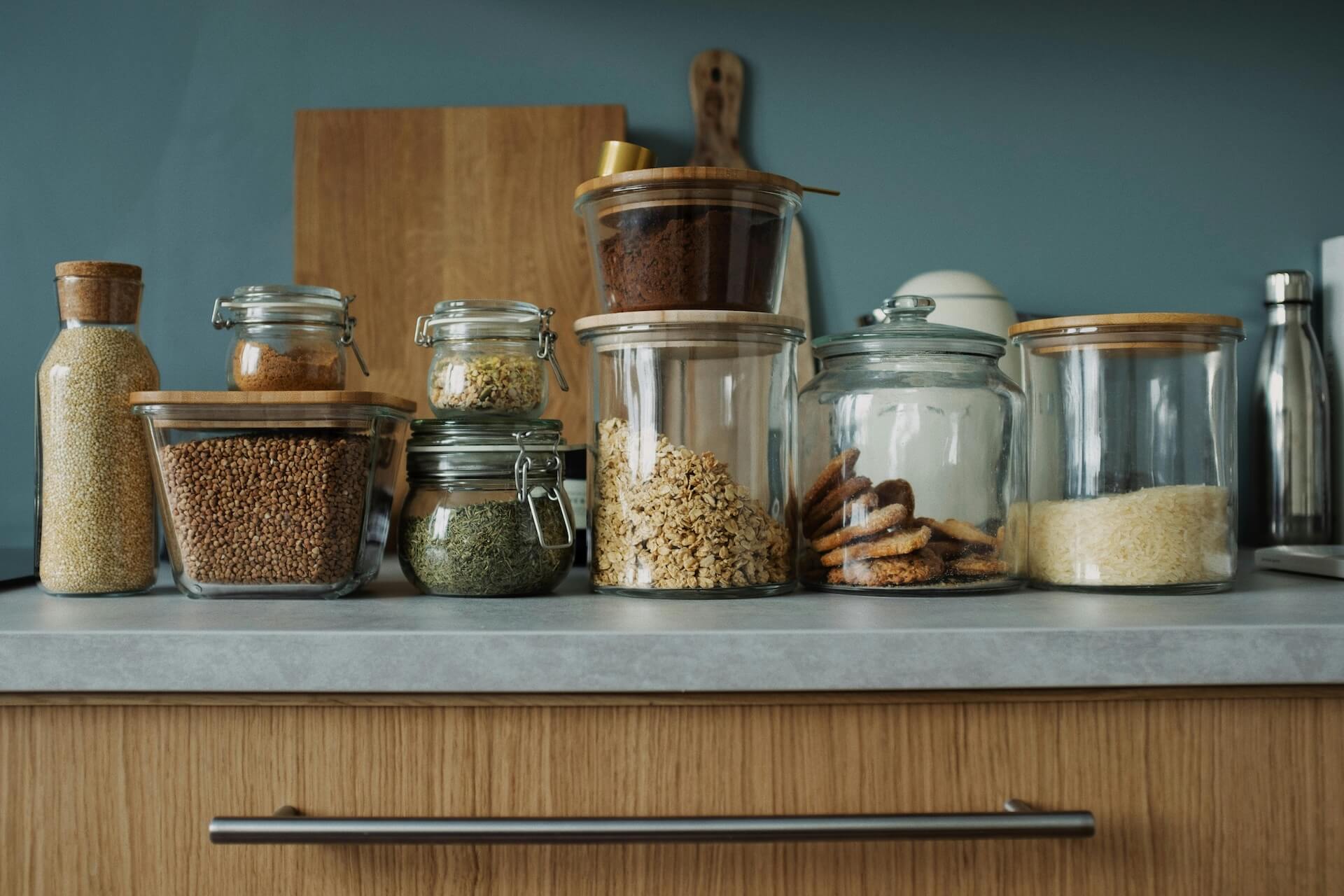
7 Best Cabinet Labels For Organized Storage Items
Organize your cabinets with the 7 best cabinet labels! Find clear, stylish solutions for effortless storage. Discover your perfect labels today!
Open cabinets and disorganized pantries often turn a simple weekday dinner preparation into a frustrating search for ingredients. Investing in the right labeling system transforms cluttered storage into a predictable, efficient workspace that saves precious time during busy mornings. Selecting the correct method depends on how frequently the contents change and the type of containers already in use.
Talented Kitchen Chalkboard Labels: Best Reusable Set
Ideal for households that frequently switch contents in glass jars or canisters, chalkboard labels offer unparalleled flexibility. These sets provide a classic, bistro-inspired look that hides minor handwriting imperfections while keeping the pantry looking intentional. Simply wipe away the chalk marker with a damp cloth when transitioning from sugar to flour or tea to coffee.
These labels typically arrive as pre-cut adhesive stickers, though the matte black surface is the primary feature. They perform best on smooth, non-porous surfaces like glass or hard plastic, ensuring they remain firmly in place until the time comes for a change. Because they require manual handwriting, they suit individuals who prefer a personal touch over sterile, printed text.
Consider this: Chalkboard labels can smudge if the container is handled frequently with damp hands. For high-traffic areas, opt for liquid chalk markers rather than traditional sticks to ensure the ink sets permanently against casual contact.
Brother P-touch TZe Tape: For a Crisp, Lasting Look
When uniformity and professional-grade clarity are the top priorities, thermal transfer tape is the gold standard. These machines produce heat-printed text that will not smear, fade, or peel even in humid kitchen environments or cool garage storage. They are the most reliable option for long-term organization where the contents, such as hardware or spice blends, remain constant for years.
The TZe tape technology is particularly effective because it is laminated, making it resistant to water, oils, and temperature fluctuations. This makes the labels suitable for items stored in chest freezers or under-sink cabinets where moisture is a concern. While the initial investment for the label maker is higher, the cost-per-label is remarkably low, making it a sound choice for labeling dozens of containers at once.
Key takeaway: If the household has family members who struggle with handwriting legibility, the printed text on these labels provides much-needed clarity. Choose clear tape with black ink for a seamless look that allows the container’s contents to remain visible.
mDesign Metal Bin Clips: Ideal for Baskets and Bins
Woven baskets, fabric cubes, and wire bins are excellent for hiding clutter, but they often present a challenge for traditional adhesive labels. Metal bin clips slide directly onto the rim of these containers, serving as a dual-purpose organizational tool. This allows for labeling without the risk of damaging delicate fabric or non-stick surfaces with sticky adhesive.
These clips are essentially small, decorative frames that hold a customizable insert card. They are perfect for family mudrooms or playrooms where bins are frequently emptied and reorganized, as they can be moved from basket to basket in seconds. Because they sit on the outside of the bin, they provide high-visibility identification that can be read from across a room.
Pro tip: Choose clips with a sturdy spring mechanism to ensure they stay upright on thinner basket edges. Always pair these with cardstock labels of a consistent color to maintain a clean, organized appearance across the entire storage unit.
Avery Dissolvable Labels: No More Sticky Residue
Meal prepping often involves storing leftovers in various containers that require frequent washing and relabeling. Dissolvable labels are designed for the person who values sanitation above all else, as they disappear completely when exposed to warm water and soap. There is no need for scrubbing or applying harsh chemicals to remove old, hardened adhesive remnants from glass or plastic.
These are an essential asset for home cooks who use mason jars for canning or freezing bulk ingredients. By writing the contents and the date directly on the label, you ensure that no food items are forgotten in the back of the freezer. Once the jar is empty, a quick soak in the sink rinses the label away without a trace.
Safety note: While convenient, these labels are not moisture-resistant. Avoid using them on items that will be stored in high-humidity areas, as the labels may begin to dissolve prematurely if touched by wet hands.
DYMO Embossing Labels: A Classic for Garage & Workshop
For spaces that prioritize utility over aesthetic trends, the classic embossed plastic label is a reliable workhorse. These labels use a mechanical pressure system to raise the letters, creating a tactile, high-contrast look that is nearly impossible to ignore. They are particularly well-suited for the workshop, garage, or utility shed where durability is more important than elegance.
Embossed labels have a distinct vintage appeal and are famously resistant to extreme conditions. The adhesive is typically quite strong, allowing the labels to adhere well to metal, wood, and concrete surfaces. Because they do not rely on ink, the text will never fade or bleed, even when exposed to sunlight or chemical solvents.
Consider this: Embossing tapes come in a variety of bright, high-visibility colors that can be used to color-code zones in a workshop. Use red for hazardous materials or caution areas and green for everyday tools to create a safer, more intuitive workspace.
Talented Kitchen Pantry Labels: For a Uniform Look
A cohesive pantry is often the goal for homeowners who find peace in a visually streamlined kitchen. Pre-printed labels remove the guesswork of formatting and ensure that every container from the flour jar to the cereal bin follows the same style. These labels are typically water-resistant, allowing them to withstand the occasional spill or wipe-down.
These sets usually come with a wide range of common household items, covering everything from basic baking staples to specific gourmet ingredients. They are best for those who use matching container sets, as the size and font are designed to look deliberate and high-end. This is the most efficient way to achieve a “professional organizer” look without having to design or print custom labels individually.
Decision factor: Check the inventory of labels in a set before purchasing to ensure it includes the specific items kept in the kitchen. Many sets are tailored toward modern baking needs, so confirm they include the essentials required for specific regional cooking habits.
Darice Kraft Paper Tags: For a Simple, Rustic Charm
For those who prefer a farmhouse or minimalist aesthetic, kraft paper tags offer a warm, understated look. These tags are tied onto jars, baskets, or decorative boxes with twine, meaning they require no adhesive at all. They are a great solution for items stored in wicker baskets or uniquely shaped canisters that do not support standard stickers.
These tags provide a blank canvas for customization and can be used in almost any room of the house. They are particularly useful for labeling seasonal decor stored in attic boxes or organizing linens in closets, where a sticker might peel over time. Because they are paper, they are also eco-friendly and easily biodegradable.
Practical advice: Use a fine-tip permanent marker or a metallic gel pen to ensure the writing remains legible on the brown paper background. To prevent tags from tangling, keep the twine length short and secure it with a simple, tight knot.
Matching Your Label to the Container’s Surface
The success of any labeling system hinges on the compatibility between the label’s adhesive and the container material. Glass and high-density polyethylene plastic are generally easy to work with, but textured surfaces or porous materials like raw wood can cause adhesives to fail quickly. Before applying any label, ensure the surface is thoroughly cleaned with rubbing alcohol to remove grease or dust, which are the primary causes of premature peeling.
When choosing between stickers and tags, consider the longevity of the storage. If the container is a permanent fixture in the pantry, high-quality permanent stickers are preferred. For rotating storage—such as bins used for seasonal clothing or temporary project supplies—mechanical clips or hanging tags are far more practical and protect the surface of the container from long-term adhesive buildup.
Readability vs. Style: Finding Your Labeling Balance
The ultimate goal of labeling is to reduce the cognitive load of navigating a home, not to create a distraction. A highly stylized, cursive font may look elegant in a catalog, but if it is difficult to read at a glance, it fails its primary purpose. Prioritize high-contrast colors and clean, sans-serif fonts in areas used by the entire family, such as spice racks or toy bins.
Conversely, personal areas like craft rooms or individual desk drawers allow for more creative flair. Balance the aesthetic with functionality by ensuring that the most frequently accessed items have the largest, clearest labels. Do not be afraid to mix and match; using a standard label maker for daily supplies while reserving decorative tags for display items creates a home that feels both organized and curated.
How to Remove Old Labels Without Damaging Surfaces
Removing stubborn, aged adhesive is a common frustration, but it can be managed with the right approach. For most hard surfaces, a simple heat source like a hair dryer can soften the adhesive, allowing the label to be peeled away in a single piece. If a sticky residue remains, applying a small amount of vegetable oil or a commercial adhesive remover to a cotton ball works wonders, followed by a quick wash with dish soap to remove the oily film.
Avoid using sharp metal scrapers on glass or plastic containers, as these will cause permanent scratches that trap dirt and make future labeling even more difficult. If a container is delicate, such as a painted metal tin, test the adhesive remover on a small, inconspicuous area first. Taking an extra moment to properly prep the container ensures that the next label will apply smoothly and last significantly longer.
Proper labeling serves as the silent foundation of a well-ordered home, turning chaotic storage into a system that works for every member of the household. By selecting the right label for the job, you replace guesswork with clarity and frustration with flow. A small amount of planning today prevents the need for constant reorganization tomorrow.


