
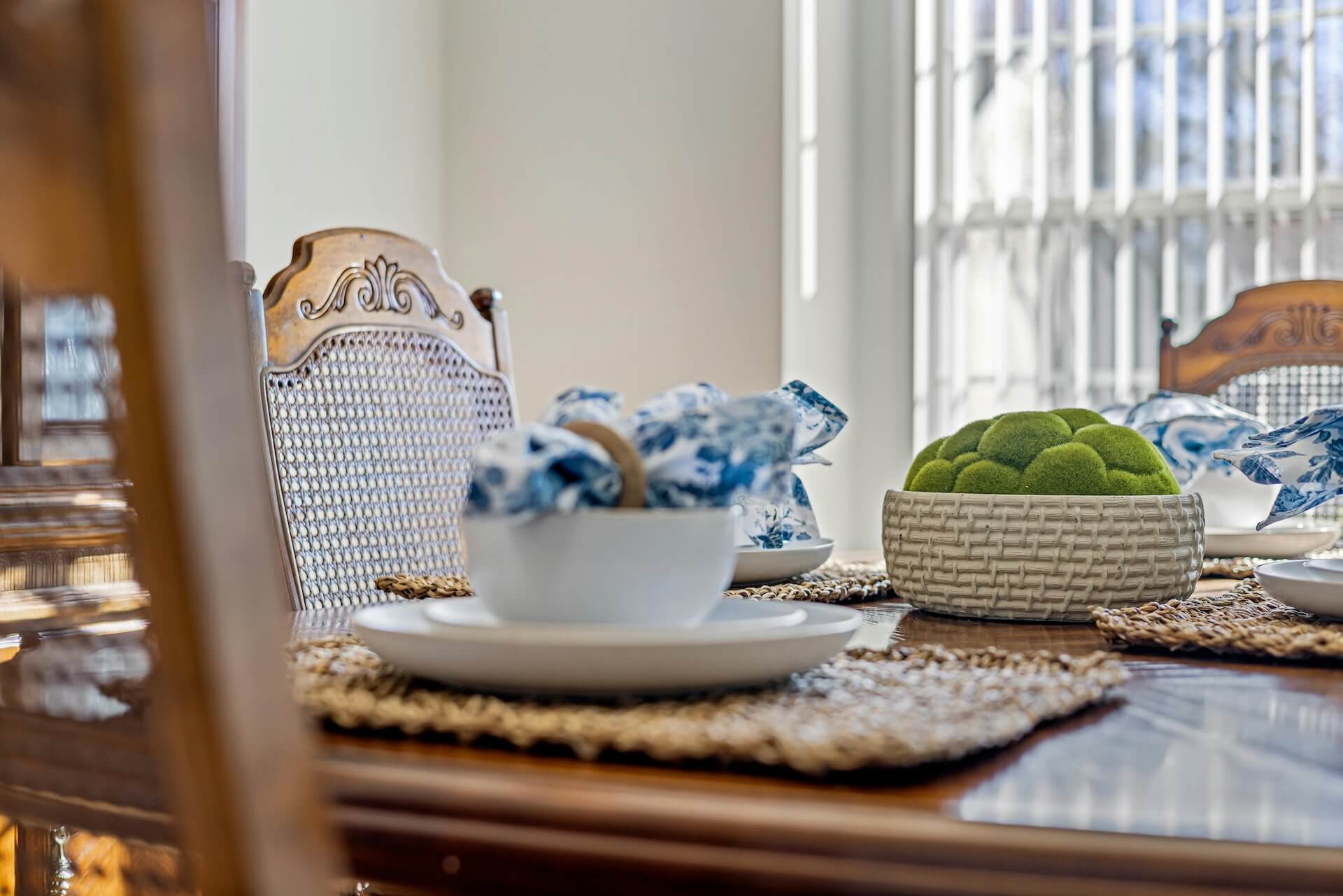
6 Best Woven Placemats for Kitchen Islands
Elevate your kitchen with 6 woven placemats! Anchor your vegetable displays beautifully on your island. Shop now and transform your space.
An island centerpiece filled with fresh produce acts as the visual heart of the kitchen, but moisture and soil from vegetables can quickly damage countertop surfaces. Woven placemats provide a natural, protective buffer while adding essential warmth and texture to otherwise cold stone or quartz. Choosing the right base ensures your display looks intentional rather than cluttered while keeping cleanup manageable during the busy work week.
Pottery Barn Hyacinth: A Classic, Sturdy Base
When high-traffic kitchens require a durable anchor for a large fruit bowl or potato bin, sea grass hyacinth remains a top-tier choice. The thick, braided weave offers exceptional weight, ensuring the mat stays firmly in place even when family members brush past the island.
This material handles the occasional stray drop of water well, provided it is allowed to air dry completely. Because of the natural fibers, the mat brings an organic, earthy aesthetic that bridges the gap between modern cabinetry and traditional decor.
Bottom line: Invest in this option if the island serves as a permanent, high-traffic workstation where stability is the highest priority.
Kouboo Rattan Placemat: For Long, Narrow Displays
Many islands feature narrow footprints where a traditional round mat would take up too much precious prep space. Rectangular rattan placemats offer a streamlined profile that fits perfectly under a line of wicker baskets or a long wooden trough filled with onions and garlic.
Rattan is prized for its tight, uniform weave, which creates a very level surface for uneven vegetables. It lacks the bulk of hyacinth, making it a better fit for kitchens that lean toward a clean, minimalist look.
Bottom line: Choose this shape when you need to maintain a clear path for food preparation while still anchoring a decorative display.
Benson Mills Jute Set: Best Texture for the Price
Jute provides a softer, more pliable texture that feels less rigid than rattan or sea grass. This makes it an ideal pick for homeowners who appreciate the look of natural fiber but want something that feels warmer to the touch.
Because jute is generally more affordable, these sets are perfect for those who like to refresh their kitchen styling seasonally. While it is not as heavy-duty as thicker woven options, it holds up beautifully for light-to-medium decorative use.
Bottom line: Opt for jute if the budget is a concern and the display style favors a rustic, farmhouse aesthetic over structural rigidity.
Crate & Barrel Abaca: For a Dark, Dramatic Look
Abaca, derived from a relative of the banana plant, possesses a naturally dark, rich hue that provides a sophisticated contrast against white marble or light granite. If the kitchen island feels too bright or clinical, a dark abaca mat adds immediate gravity and depth.
The fiber is incredibly strong and resistant to water damage, often outperforming softer grasses in humid environments. It creates a bold, gallery-like effect for displaying colorful vegetables like bell peppers or heirloom tomatoes.
Bottom line: Use this for a high-end look that hides stains better than lighter-colored natural materials.
Mainstays Woven Oval: A Smart, Budget-Friendly Pick
Not every household needs artisan-crafted materials to achieve a polished kitchen look. Budget-friendly woven oval mats offer the classic aesthetic of natural fibers while remaining lightweight and easily replaceable if a spill ruins the finish.
These pieces are ideal for young families or temporary living situations where wear and tear is expected. They provide just enough protection to prevent scratches from ceramic bowls or heavy produce baskets.
Bottom line: This is the practical choice for households that prioritize function and low cost over long-term material investment.
Benson Mills Woven Vinyl: Easiest for Quick Wiping
Vegetables often leave behind bits of dirt, onion skin, or moisture that can get trapped in the deep crevices of real sea grass. Woven vinyl placemats provide the texture and visual interest of a natural weave with the undeniable advantage of a non-porous surface.
If your kitchen island sees constant action, being able to wipe a surface clean with a damp cloth is a major convenience. These mats are virtually indestructible and resist mold, making them the most hygienic choice for an area where food is handled.
Bottom line: Select vinyl if convenience and sanitation are more important than an all-natural fiber composition.
Jute, Rattan, or Hyacinth: Which Is Right for You?
Selecting the material depends largely on how much maintenance time you want to commit. Hyacinth and rattan are beautiful, but they require periodic dusting or vacuuming to keep debris from settling into the weave.
Jute offers a soft, tactile experience but acts like a sponge, so it should be kept away from areas where rinsing or heavy washing occurs. Vinyl remains the outlier, offering a “set it and forget it” solution that survives the inevitable spills of daily kitchen life.
- Hyacinth: Best for heavy, permanent displays requiring structural support.
- Rattan: Best for formal, structured, or narrow arrangements.
- Jute: Best for achieving a soft, budget-friendly aesthetic in low-mess zones.
- Vinyl: Best for high-traffic islands prone to spills and daily heavy use.
How to Properly Clean Your Woven Placemats
Maintenance for natural woven mats is simpler than most homeowners assume, provided you avoid deep soaking. Start by shaking the mat outside to dislodge loose dirt and vegetable debris that has collected in the fibers.
For tougher spots, use a soft-bristled brush or an old toothbrush with a tiny amount of mild soap and water. Never submerge the mats in water, as this can cause the natural fibers to warp, mold, or lose their shape entirely.
Pro tip: Always ensure natural mats are laid completely flat to dry in a well-ventilated area to prevent mildew.
Round vs. Rectangular: Matching Shape to Your Island
The shape of the mat should mimic the geometry of your island or the container you are placing on top. Round mats soften the hard lines of a rectangular kitchen island and work beautifully under a single, centered bowl of fruit.
Rectangular mats are better suited for galley-style islands or when arranging multiple containers in a row. A good rule of thumb is to ensure at least two inches of the countertop remains visible around the mat to avoid a cluttered look.
Bottom line: If in doubt, measure the depth of the item you are displaying and choose a shape that leaves a narrow border of countertop visible.
Smart Ways to Store Your Bulky Woven Placemats
Woven mats can be difficult to store because they often refuse to lie flat if folded or bent. To maintain their shape, slide them between two pieces of flat cardboard and store them vertically in a cabinet or pantry.
Avoid stacking heavy items on top of them, as this will eventually crush the weave and cause the edges to fray. If you have limited space, hanging them from a sturdy hook behind a door or inside a pantry closet keeps them out of sight while protecting their structural integrity.
Bottom line: Proper storage is the secret to making an inexpensive woven mat look high-end for several years.
Keeping your vegetable display organized protects your kitchen surfaces and elevates the look of your entire home. By selecting a mat that balances your specific need for cleanliness with your aesthetic preferences, you create a functional, welcoming space that stands up to the daily rhythm of life.

