7 Best Toilet Step Stools For Potty Training Toddlers
Potty train with ease! Discover the 7 best toilet step stools for toddlers. Find the perfect one today!
Potty training marks a significant milestone in a child’s development, but it often brings a series of logistical challenges to the family bathroom. Equipping a toddler with the right tools transforms a daunting task into a manageable daily routine that fosters independence. Investing in a reliable toilet step stool ensures safety and comfort, ultimately shortening the learning curve for both parent and child.
Squatty Potty Panda: For Proper Toddler Posture
Physical comfort is a primary factor in successful potty training, as proper alignment helps toddlers relax during the process. The Squatty Potty Panda utilizes a unique ergonomic shape that encourages a natural squatting position, which is physiologically superior for bowel movements.
This stool is specifically contoured to fit around the base of most standard toilets, keeping it out of the way when not in use. While it is larger than basic plastic alternatives, the design benefits far outweigh the footprint in a primary family bathroom.
Choose this option if the priority is long-term health and comfort rather than portability. It serves as a permanent, reliable fixture that grows with the child’s physiological needs.
BabyBjörn Step Stool: Best for Small Bathrooms
Apartment living or homes with tight powder rooms require gear that doesn’t dominate the floor space. The BabyBjörn Step Stool is celebrated for its compact, minimal profile, allowing it to slide easily into narrow gaps between the toilet and the vanity.
Despite its small size, the stool features a rubberized bottom that prevents sliding on slick tile floors. It provides enough height for a toddler to reach the seat safely without feeling precarious or overwhelmed by a bulky base.
This is the ideal choice for households that value efficiency and need a product that disappears when the bathroom is in use. It is a no-nonsense tool that delivers exactly what is promised without taking up unnecessary square footage.
Munchkin Step Stool: Most Stable for Wiggly Kids
Stability is the greatest concern for parents supervising a child who has not yet mastered balance. The Munchkin Step Stool features a wide base and a rubber-lined surface that grips the feet, providing a steady platform for even the most active toddlers.
The weight of the material strikes a balance between portability and durability. It is heavy enough to stay put during a climb, yet light enough for a child to scoot into position themselves.
Opt for this model if the goal is to prevent slips and wobbles during the “mounting” process. A stable stool builds a child’s confidence, which is a vital component of successful potty training.
Jool Baby Step Stool: A Practical Two-Pack Value
Many homes have multiple bathrooms, or perhaps a primary bathroom upstairs and a half-bath on the main floor. Buying a two-pack of Jool Baby stools ensures that a consistent, reliable step is available wherever the child needs it.
These stools are designed with a focus on simplicity and ease of cleaning, which is essential for busy parents handling inevitable messes. The non-slip pads are effective, and the plastic construction is resistant to moisture and water damage.
This is a smart financial decision for families who want to outfit their entire home at once. It eliminates the friction of moving gear from room to room, making the transition to full-time bathroom use much smoother.
The First Years Sure Comfort: Non-Slip Security
Safety features are not just a luxury; they are a necessity for surfaces that are frequently wet. The First Years Sure Comfort includes heavy-duty non-slip grip tape and rubber feet to ensure the stool remains firmly planted on bathroom tile.
The height is specifically calibrated for toddlers transitioning from a small potty seat to the adult toilet. Its design encourages safe climbing habits, helping children learn how to mount the toilet independently without constant assistance.
Consider this stool if the bathroom flooring is prone to slipperiness or if the toddler is particularly energetic. It offers peace of mind for the parent who wants to minimize the risk of falls during the training period.
IKEA FÖRSİKTIG: The Simple, No-Frills Choice
Sometimes the best tool for the job is the most basic one. The IKEA FÖRSİKTIG is a lightweight, affordable stool that does exactly what it is designed to do without any extraneous features that might break or collect dust.
Its narrow shape makes it perfect for storage in tight areas, and the low price point allows families to keep one in every bathroom without breaking the budget. While it may lack the heavy-duty grip of premium models, it is perfectly suited for standard tile or linoleum floors.
This is the quintessential choice for families who prefer a utilitarian, cost-effective approach. It proves that simplicity is often more practical than over-engineered alternatives.
iLove Adjustable Stool: Grows With Your Toddler
Potty training is a multi-year process, and a child’s height changes rapidly during these formative months. The iLove Adjustable Stool offers a modular design that allows the height to be altered as the child grows taller and gains more confidence.
The adjustable nature of this stool means it serves a purpose well beyond the initial potty training phase, potentially reaching the sink for hand washing later on. It is a long-term investment that keeps the household organized by reducing the need for new equipment as the child matures.
Select this model if the desire is to purchase a single product that spans several years of development. It provides the greatest longevity and versatility among standard toddler stools.
One-Step vs. Two-Step: Which Is Best for You?
The decision between a one-step or two-step stool usually comes down to the age of the child and the height of the toilet. A one-step stool is sufficient for older toddlers who have already gained some height, whereas a two-step stool is necessary for younger children still struggling to reach the seat.
Two-step stools provide a “staircase” effect that is much easier for smaller children to navigate. However, they occupy significantly more floor space and can be harder to tuck away in small bathrooms.
Evaluate the physical height of the child against the height of the bathroom toilet before purchasing. If a child is consistently struggling to climb onto the toilet, a two-step model is the more practical, ergonomic solution.
Getting the Height Right for Your Toilet and Kid
An improperly sized stool can actually make potty training harder by causing a child to feel unstable or insecure. The goal is for the child’s feet to have firm contact with the stool, allowing their knees to sit slightly higher than their hips.
When a child feels “grounded” on the stool, they are more likely to relax, which is essential for successful training. If the stool is too short, the child may strain to reach the seat, leading to anxiety about using the toilet.
Measure from the floor to the top of the toilet seat and subtract the child’s standing reach to determine the ideal stool height. Aim for a setup where the child can sit down with ease without needing to perform a difficult, high-stakes climb.
Storing Your Stool: Under the Sink vs. Beside
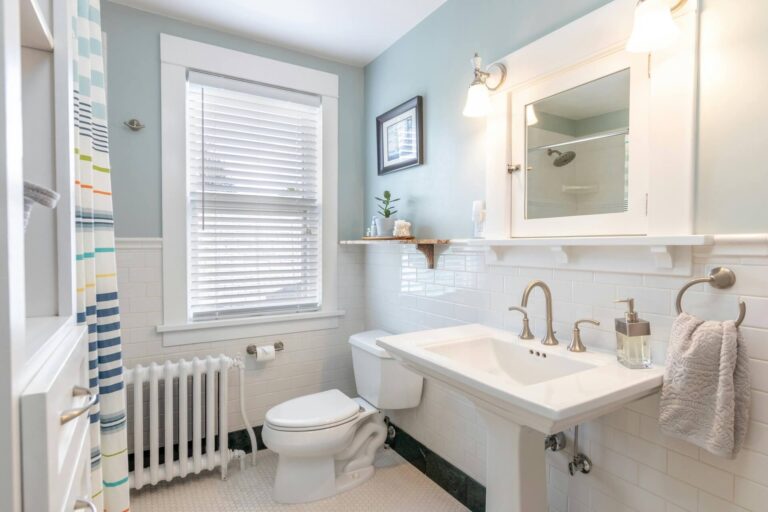
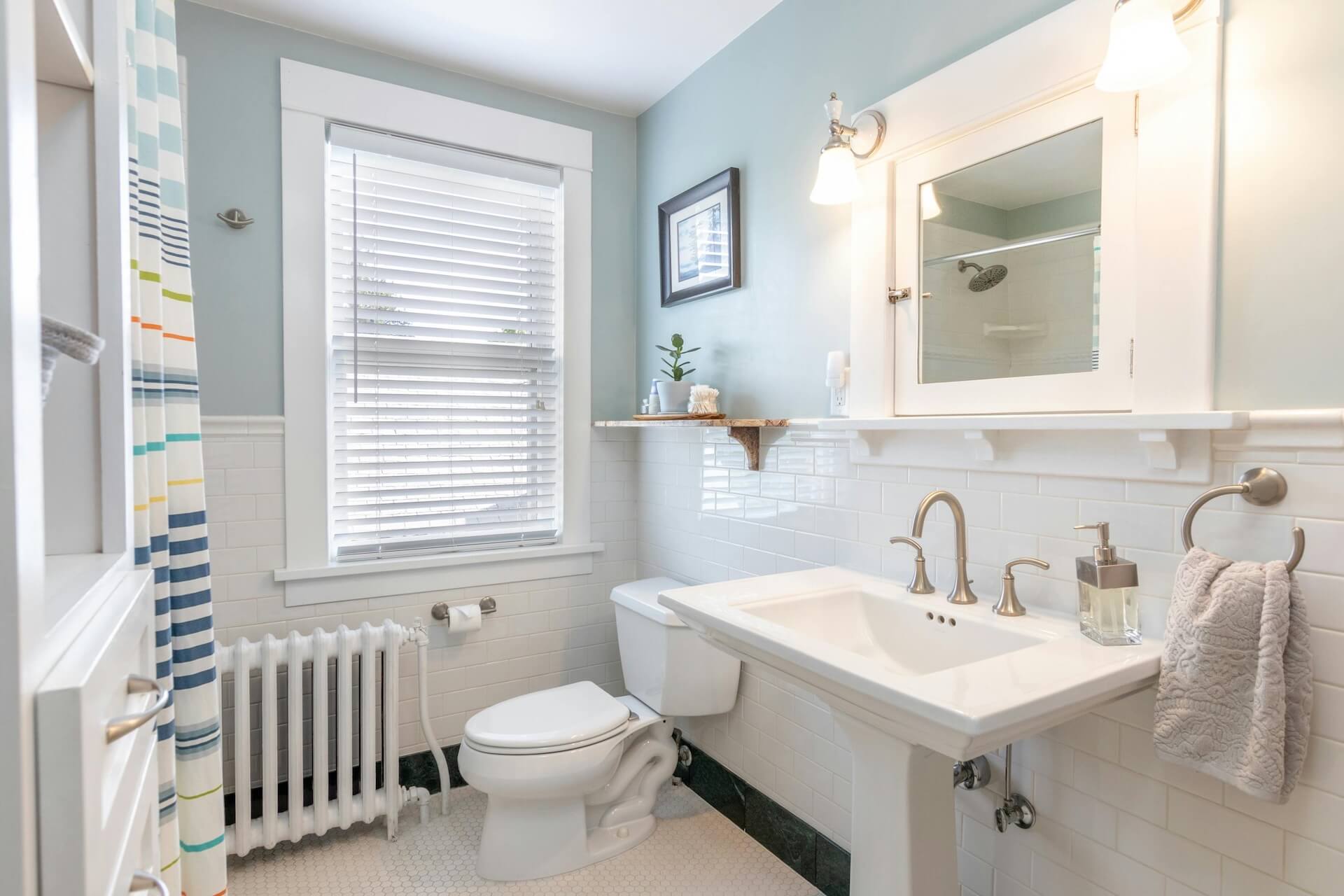
In a small bathroom, where the stool lives when not in use is just as important as how it performs during training. A stool that is too bulky will inevitably become a trip hazard if it doesn’t have a dedicated storage spot.
If the space under the vanity is open, consider choosing a stool that fits neatly underneath to keep the floor clear for cleaning. If there is no under-sink clearance, look for a stool with a profile that sits flush against the side of the toilet base.
Regardless of where it is stored, the stool should be kept in the same location consistently. This helps the toddler establish a routine and fosters the independence necessary to use the restroom without constant prompting.
A well-chosen step stool serves as the bridge between childhood dependence and the independence every toddler craves. By focusing on stability, appropriate height, and storage needs, homeowners can select a tool that fits their unique space and makes the training process smoother. Choose the option that balances these practical requirements to ensure a confident, successful milestone for the entire household.