
7 Best Seed Storage Canisters For Freshness To Last
Keep seeds fresh for longer! Discover the 7 best seed storage canisters. Shop now and preserve your harvest.
Finding the perfect seed storage solution often feels like a challenge when faced with a kitchen drawer overflowing with half-opened packets. Proper organization ensures that the hard work put into a garden doesn’t go to waste due to moisture or temperature fluctuations. Selecting the right container is the difference between high germination rates next spring and a collection of seeds that simply refuse to sprout.
Ball Wide Mouth Jars: A Timeless, Airtight Choice
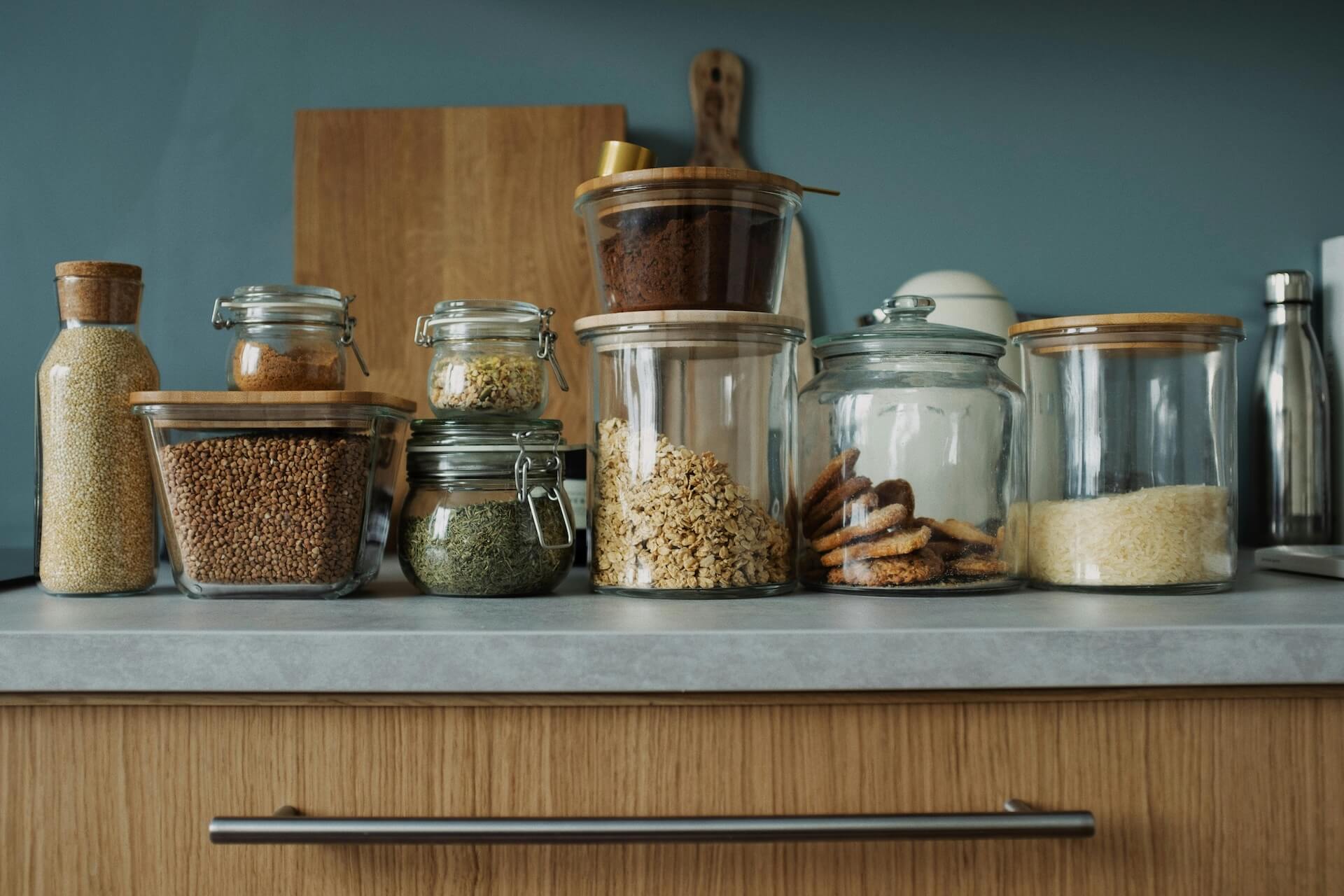
When a garden collection grows beyond a few scattered packets, glass mason jars provide a reliable, transparent environment. The wide-mouth design allows for easy access to small envelopes, and the two-piece lid system creates a genuine airtight seal once tightened. These are ideal for those who prefer to see exactly what is in stock at a glance without opening every container.
Glass is chemically inert, meaning it won’t leach odors or chemicals into the seeds over time. It is an excellent choice for homeowners with a dedicated pantry or basement shelf where light can be controlled. While the weight of glass can be a factor, these jars are affordable and widely available at any local hardware store.
- Best for: Visual organizers who keep seeds in a dark cupboard.
- Tradeoff: Glass is fragile and requires a dark location to prevent light damage.
Vaultz Seed Keeper Box: For The Organized Gardener
For households that treat gardening like a structured hobby, a dedicated file-style box offers the best protection against chaos. The Vaultz Seed Keeper features interior dividers that keep seed packets upright and categorized by type or planting date. This is the ultimate solution for maintaining order in a busy household where multiple family members might access the gardening supplies.
The rigid construction protects fragile paper packets from being crushed, which is a common issue with plastic bins or bags. It occupies a small footprint on a shelf and can be easily tucked into a closet during the off-season. While it lacks an airtight gasket, it serves as an excellent secondary storage layer for seeds already housed in smaller, protective sleeves.
- Best for: Maintaining a large, diverse library of vegetable and flower seeds.
- Tradeoff: It is not naturally moisture-proof, so it should be kept in a climate-controlled area.
Gardener’s Supply Co. Seed Tin: Best for Light Blocking
Seeds require darkness to maintain their viability, and metal tins are the premier choice for blocking UV rays entirely. These tins are designed specifically for the dimensions of standard seed packets, eliminating the wasted space often found in repurposed kitchen containers. A metal exterior also provides a sturdy barrier against pests that might otherwise chew through plastic storage boxes.
These containers often feature a snug-fitting lid that helps maintain a consistent internal environment. Because metal is opaque, it is a smart choice for those who store seeds in areas with fluctuating light, such as a garage workshop or an uncurtained utility room. They add a classic, professional aesthetic to a potting station while offering robust, long-term durability.
- Best for: Storing light-sensitive seeds that need to remain viable for multiple seasons.
- Tradeoff: It is impossible to see the contents without opening the lid, requiring a good labeling system.
OXO Good Grips POP Canister: A Great Stackable Solution
Space is often at a premium in smaller kitchens or apartments, making vertical storage a necessity. The OXO POP line uses a push-button mechanism to expand a silicone gasket against the walls of the container, creating an exceptionally tight seal. This allows for safe, stackable organization that maximizes every inch of shelf height.
The clear body allows for instant inventory checks, which is helpful when planning garden rotations. However, because these are transparent, they must be stored inside a drawer or an opaque bin to prevent light degradation. They are incredibly easy to clean, making them a practical choice for gardeners who want to reuse containers as their seed collection changes.
- Best for: Renters or homeowners with limited cupboard space who need a modular system.
- Tradeoff: The clear plastic allows light through, necessitating a dark storage location.
Vittles Vault Container: The Best Option for Bulk Seed
If the gardening hobby has scaled into a small homestead or a large community garden plot, standard jars simply won’t suffice. Vittles Vault containers are industrial-strength, food-grade plastic bins designed to keep contents fresh and pest-free for years. While often marketed for pet food, their airtight, threaded lids are perfect for keeping several pounds of seed packets or bulk seeds dry and safe.
These containers are built to withstand heavy use and can be kept in a shed or garage without the contents becoming compromised by dampness or insects. The large opening makes it easy to reach in, though some may find them bulky for indoor living areas. They represent a significant investment in long-term storage but offer unparalleled protection for large quantities.
- Best for: Storing bulk seed supplies or large collections of packets in a garage or shed.
- Tradeoff: They have a large physical footprint and may be overkill for a small home garden.
Mylar Seed Saver Bags: For Long-Term Packet Storage
For the serious seed saver, Mylar bags provide a level of protection that rigid containers cannot replicate. These bags block 100% of light, moisture, and oxygen when heat-sealed properly. They are the standard for long-term seed banking, ensuring that seeds remain dormant and viable for years.
While not as convenient for daily access, they are perfect for storing backup supplies that don’t need to be touched during the current growing season. When combined with a desiccant pack inside the bag, they create a near-perfect micro-environment. They are exceptionally space-efficient, allowing for hundreds of packets to be stored in a very small box or drawer.
- Best for: Preserving rare heirloom varieties or long-term backup supplies.
- Tradeoff: Requires a heat sealer or careful folding and taping to remain airtight.
Airscape Steel Canister: For Maximum Freshness
The Airscape canister features a unique inner plunger that pushes air out of the container before the lid is locked in place. By removing the oxygen that would otherwise sit between the seeds and the lid, this system significantly slows the degradation process. It is a sophisticated, heavy-duty option for seeds that are highly sensitive to oxidation.
The steel construction ensures complete light protection, while the vacuum-seal feel provides tactile confirmation that the contents are secure. It is an excellent choice for keeping high-value seeds that are expensive or difficult to replace. While priced higher than standard glass or plastic options, the longevity it provides can pay for itself by preventing the loss of delicate seeds.
- Best for: High-value, delicate seeds that require a low-oxygen environment.
- Tradeoff: Higher price point per unit compared to basic glass or plastic jars.
Key Factors for Seed Storage: Light, Heat, and Moisture
The primary enemies of seed longevity are fluctuating temperatures and excess humidity. Seeds kept in a kitchen cupboard near a stove or a windowsill will lose viability much faster than those stored in a cool, stable environment. A consistent temperature—ideally below 50 degrees Fahrenheit—is the gold standard for maintaining germination rates over several years.
Moisture is the most dangerous factor, as it can cause seeds to mold or begin the germination process prematurely. Always ensure that the seeds are completely dry before sealing them into any container. If the air in the storage space is humid, the container’s ability to seal airtight becomes the most critical feature to evaluate.
- Bottom Line: Prioritize a cool, dark, and dry location over the brand of the container.
Glass, Metal, or Plastic: Which Material Is Best?
Choosing a material depends largely on where the storage will live within the home. Metal is the best choice for areas with ambient light or potential pest issues, while glass is ideal for shelf-stable pantry organization. Plastic is the most versatile for stacking and movement, but it must be high-quality and preferably opaque.
Consider the weight and durability requirements of your specific household. Glass is heavy and can shatter, which might be a concern in a busy household with children or pets. Plastic is lightweight and durable but can scratch over time or harbor odors if the storage area is not kept clean.
- Bottom Line: Use metal or opaque plastic if you cannot guarantee a dark, cool environment.
Do You Need Desiccant Packs? A Guide to Seed Dryness
Desiccant packs, such as silica gel, are small packets that absorb moisture from the air within a sealed container. In many household environments, they are the secret ingredient to keeping seeds dry throughout the humid summer months. Adding one small pack to any storage canister provides an essential buffer against the humidity fluctuations that occur in most homes.
These packs are inexpensive and can be purchased in bulk or harvested from other household goods like shoe boxes or supplement bottles. They do not last forever, though; they eventually reach a saturation point where they need to be replaced or recharged in a low-heat oven. For most home gardeners, a single packet placed inside a mason jar or tin is sufficient to protect an entire collection.
- Bottom Line: Including a desiccant pack is the most cost-effective way to improve the performance of any storage container.
Selecting the right storage canister requires balancing the size of your collection with the realities of your living space. By focusing on light-blocking, airtight seals, and moisture control, you can ensure your seeds stay viable for years to come. Ultimately, a consistent storage habit is far more important than the specific brand of container chosen.



