
6 Best Furniture Leg Risers for Ergonomic Viewing
Elevate your view with 6 best furniture leg risers for ergonomic viewing. Improve comfort now!
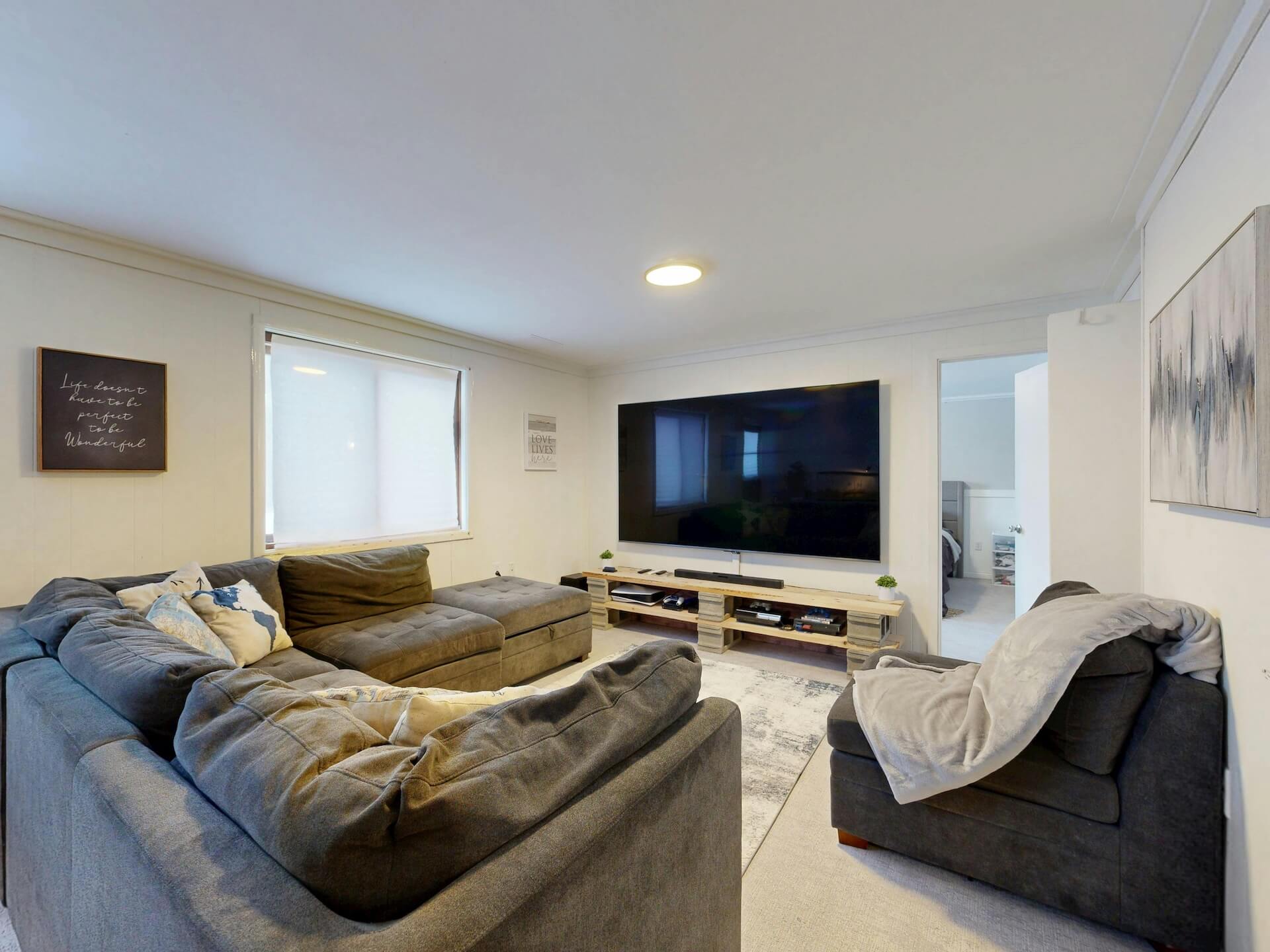
Lowering the chin to peer at a TV screen perched too low can turn a relaxing evening movie into an exercise in neck strain. Whether struggling with a cramped apartment layout or an aging sofa that has lost its loft, adjusting furniture height is a simple way to reclaim comfort. A few inches of elevation changes everything about how a room feels and how the body rests.
Home-it Stackable Risers: For Quick, Simple Lifts
Stackable risers excel when the exact height requirement remains uncertain. Because these units lock together in layers, they allow for incremental adjustments rather than forcing a “one-size-fits-all” solution.
This versatility serves well in households where furniture is frequently moved or repurposed. Use one layer to slightly lift a low-profile coffee table, or stack them to elevate a chair for better ergonomic alignment during craft projects.
Keep in mind: These are typically made of durable plastic and work best on carpeted surfaces or areas where slight shifting is less of a concern. For a quick, low-cost fix that offers flexibility, this modular approach remains a staple.
Utopia Bedding Risers: Best for Heavy Sofas/Beds
Heavy-duty furniture requires a base that refuses to buckle under significant weight. Utopia Bedding risers are engineered with structural support ribs designed to distribute pressure evenly across a wider surface area.
These are the go-to choice for massive sectionals or heavy wooden bed frames that hold a lot of mass. They provide a stable, wide footprint that prevents the furniture from sinking into carpet or wobbling during use.
Bottom line: If the goal is long-term stability for large, heavy pieces, these heavy-duty plastic options provide the best balance of safety and load-bearing capacity. They are rarely the most attractive choice, but they are undeniably functional.
Slipstick Gripper Risers: To Protect Your Floors
Hardwood, laminate, and tile floors require extra care to prevent the unsightly scratches that metal or hard plastic risers often cause. Slipstick models integrate rubberized bases that grip the floor while cushioning the furniture legs.
These are essential for homeowners who prioritize floor longevity alongside ergonomic comfort. The grip prevents the “scooting” that often happens when someone sits down or stands up quickly from a couch or recliner.
Maintenance tip: Periodically check the rubber grippers for dust or debris buildup. A simple wipe-down with a damp cloth keeps the friction consistent and prevents unwanted sliding.
FASONLA Screw-In Legs: A Permanent Height Solution
Sometimes, the best riser is a total replacement for the existing feet. Screw-in legs offer a seamless, built-in appearance that looks like the furniture came that way from the manufacturer.
This is the cleanest route for those who want to avoid the “boxy” look of traditional risers. By removing the original short legs and installing longer, threaded screw-in options, the entire aesthetic of the room remains polished and intentional.
Requirement check: Confirm the thread size—typically 5/16 inch—before purchasing. This solution is permanent and creates a far more stable base than any stacking system could offer.
iPrimio Aluminum Risers: For Discreet, Sturdy Lifts
Many homeowners prefer the strength of metal but dislike the industrial look of most utility risers. Aluminum options offer a sleek, minimal profile that blends into modern or contemporary room decor without drawing the eye.
These risers are particularly effective for metal-framed furniture, as they provide a uniform look that mimics the existing frame. They are slim, robust, and unlikely to crack or deform over many years of use.
Tradeoff: They generally command a higher price point than plastic versions. Choose these when the risers will be visible and the home decor aesthetic is a primary concern.
Whitmor 5-Inch Risers: For a Serious Height Boost
When a screen or a seat is significantly lower than eye level, small adjustments just won’t cut it. A five-inch lift provides a dramatic change in perspective, making it ideal for low-profile “modern” furniture that doesn’t accommodate standard sitting heights.
These are often used in small apartment living where storage space underneath the couch is just as important as the elevation. That extra five inches creates a perfect void for low-profile storage bins or seasonal items.
Safety note: Because this height creates a steeper angle for the furniture legs, ensure the legs fit deeply into the recessed cup of the riser. Stability must be verified after installation to ensure the furniture doesn’t become top-heavy.
How to Measure Furniture Legs for a Secure Fit
Accurate measurement is the difference between a secure setup and a dangerous one. Measure the footprint of the furniture leg at its widest point, rather than just the center.
If the leg is square, measure from side to side; if it is round, measure the diameter. The riser cup must be at least 1/4 inch larger than the leg to allow for easy placement and proper alignment.
Pro tip: If the furniture leg is smaller than the riser, use a small piece of non-slip shelf liner inside the cup. This centers the leg and provides extra cushioning to prevent rattling.
Ensuring Stability: Key Safety Tips for Risers
Elevating furniture fundamentally changes its center of gravity. Never exceed the weight limit specified by the manufacturer, and always ensure the risers are placed on a level, solid floor surface.
When elevating a bed or a sofa used by children or elderly family members, prioritize stability over maximum height. Avoid stacking multiple units unless the manufacturer explicitly states it is safe, as stacking creates potential failure points.
Checklist: Every few months, give the furniture a firm shake to ensure the risers haven’t shifted. If a leg is sitting on the edge of the cup rather than the center, it must be repositioned immediately.
Choosing a Riser: Wood vs. Plastic vs. Metal
The material choice determines both the durability and the aesthetic impact of the riser. Plastic is the most common and budget-friendly, suitable for most general household uses.
Metal offers superior load-bearing strength and a modern appearance, though it can be slippery on hardwood without added padding. Wood risers are often used for aesthetic matching with furniture but can be prone to splitting if the weight is not perfectly centered.
Decision framework: Use plastic for hidden, temporary, or high-clearance needs. Choose metal for heavy-duty, permanent, or visible setups. Opt for wood only if a custom-stained match to the existing furniture is required.
Finding the Right Height for Comfortable Viewing
The goal of ergonomic viewing is to have the top third of the screen at or slightly below eye level while seated. To find this height, sit in the preferred viewing spot and have someone measure the distance from the floor to the eye line.
Compare this to the current height of the screen and the furniture base. If the furniture is too low, calculate the difference and choose a riser that elevates the piece to bridge that specific gap.
Takeaway: Don’t guess; use a tape measure. Creating the right height once saves a lifetime of stiff necks and slouching during long hours of relaxation.
Reliable furniture risers turn awkward, low-slung seating into a comfortable home experience by addressing both alignment and storage needs. By choosing the right material and ensuring a secure fit, the living space becomes a more functional and relaxing environment for everyone in the home.
