
7 Best Vehicle Mounting Brackets For Roadside Emergencies
Secure your vehicle during roadside emergencies. Discover the 7 best mounting brackets. Get prepared now!
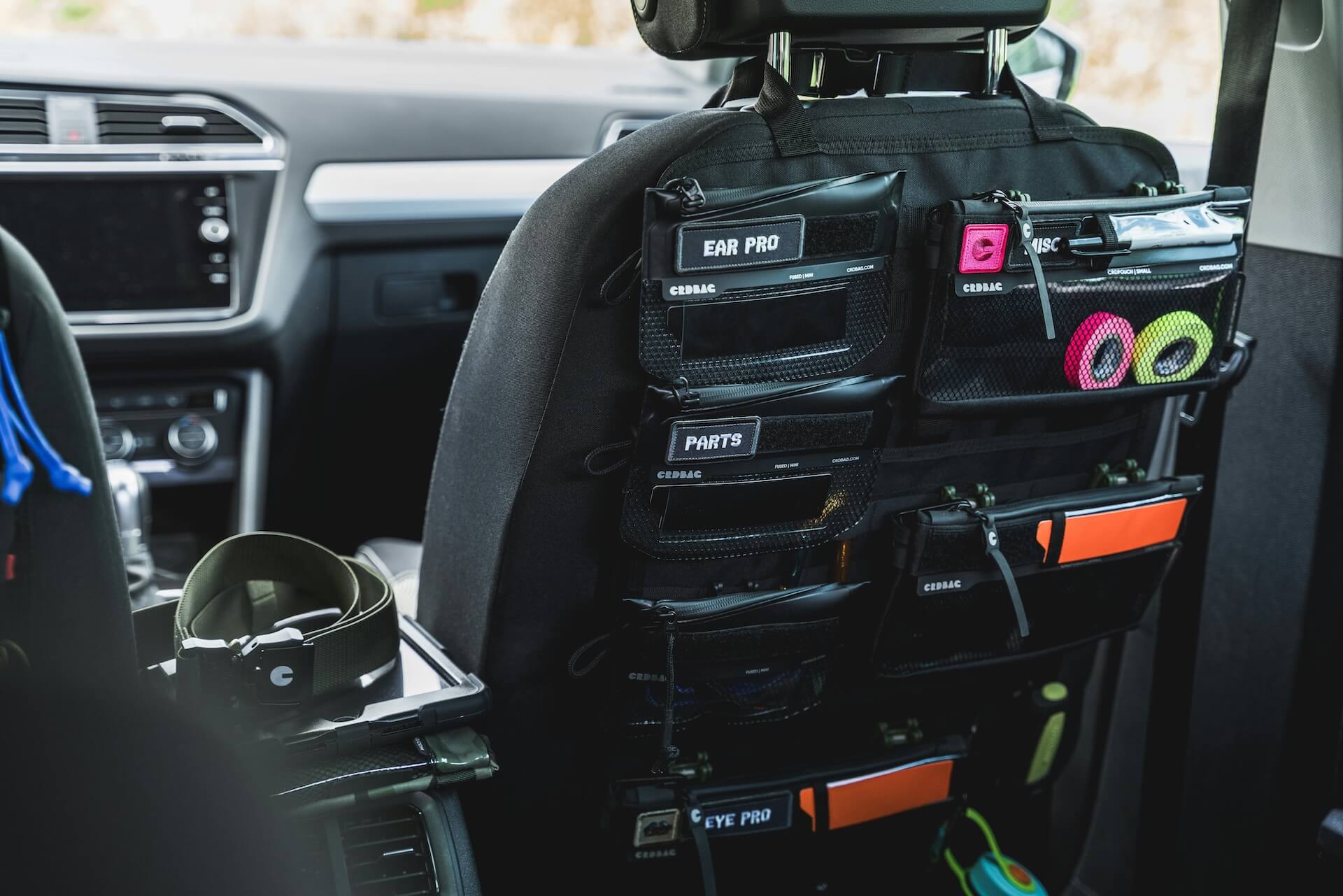
A flat tire on a rainy Tuesday or a dead battery in an empty parking lot turns a routine errand into a stressful ordeal. Securing emergency gear properly ensures that heavy tools remain exactly where they belong, rather than becoming dangerous projectiles during a sudden stop. Organizing a vehicle’s cargo space with the right mounting hardware transforms a cluttered trunk into a reliable, ready-to-go emergency kit.
Quick Fist Clamps: For Gripping Just About Anything
Quick Fist clamps are the gold standard for those who need a versatile, rubber-based solution that conforms to odd shapes. These are ideal for securing fire extinguishers, flashlights, or even heavy garden tools that might otherwise roll around the back of an SUV.
Because they are made from heavy-duty rubber, they absorb vibrations and remain secure even on bumpy roads. They do not rust or scratch delicate surfaces, making them a safer bet for newer vehicles where protecting the interior finish is a priority.
These clamps are best suited for smaller, lighter items rather than massive recovery equipment. Consider them the perfect entry point for someone looking to organize a trunk without committing to complex metal framing.
Bracketeer Bracket: For Under-Seat Fire Safety
Fire safety gear is often relegated to the deep recesses of a trunk, making it inaccessible when every second counts. The Bracketeer bracket mounts directly to the seat rails of most vehicles, positioning a fire extinguisher within arm’s reach of the driver or front passenger.
This mount is particularly valuable for sedans or compact cars where trunk space is at a premium and every inch of cargo area is precious. Since it utilizes the seat track bolts, it generally requires no drilling into the vehicle floor, which is a major advantage for those who lease their cars.
Installation is straightforward, but one should verify the bolt pattern compatibility before purchasing. Prioritizing accessibility over aesthetics ensures that emergency equipment serves its purpose during a genuine crisis.
Hi-Lift Jack Mount: For Storing Your Heavy Lifter
A Hi-Lift jack is a heavy, awkward piece of equipment that is nearly impossible to store safely without a dedicated mount. Dedicated metal brackets prevent the jack from sliding or clattering against the body of the vehicle, which can cause significant cosmetic damage over time.
Most of these mounts are designed for exterior attachment to a roll bar, roof rack, or tailgate hinge. While this keeps the interior clear, it does expose the jack to the elements, requiring more frequent lubrication and maintenance to prevent rust.
Choose a mount that includes a locking mechanism if the jack is stored externally to prevent theft. Durability is the primary factor here; choose heavy-gauge steel mounts that can withstand the weight and constant vibration of the road.
Kolpin Rhino Grips: For Holding Axes and Shovels
When clearing brush or handling roadside debris, having an axe or shovel secured to a rack is essential for efficiency. Kolpin Rhino Grips feature a rugged design with a flexible, ratcheting strap that locks tools firmly into place.
These grips are highly adjustable, allowing for different handle thicknesses without needing to swap out hardware. They provide excellent security for tools that might be used on a family farm or a camping trip, ensuring gear is ready for immediate deployment.
For those who prioritize utility, these grips offer a great balance between cost and performance. Keep in mind that heavy-duty use over several years may cause the rubber straps to wear, so check them periodically for signs of dry rot.
Smittybilt Axe & Shovel Mount: A Rugged Combo
For those who carry dedicated recovery gear, a pre-fabricated combo mount is often more space-efficient than two separate systems. The Smittybilt mount is designed for heavy-duty use and typically integrates with roof racks or rear tire carriers.
This is a robust solution for homeowners who frequently haul landscape materials or live in areas where road conditions vary wildly. The steel construction provides structural integrity that plastic mounts simply cannot match, though it comes at the expense of added weight.
This hardware is best for those with a permanent utility vehicle or truck setup. If the vehicle is primarily used for light city commuting, the weight and visibility of this mount might be overkill.
MORryde Universal Mount: For Your Jerry Can
Fuel storage is a critical, often overlooked aspect of roadside safety for those traveling in rural areas or long distances. A universal Jerry can mount ensures that heavy fuel containers remain upright, preventing leaks and keeping fumes out of the passenger cabin.
When installing a fuel mount, verify that the placement does not obstruct rear visibility or tailgate function. Safety dictates that fuel containers should be stored away from potential heat sources or exhaust pipes.
Steel construction is non-negotiable for this type of mount given the weight of a full gas can. Ensure the mount is bolted to a structural part of the vehicle, such as a roof rack or a heavy-duty bumper, to safely manage the load.
Maglite Mounting Brackets: Keep a Light Handy
A sturdy flashlight is the most used tool in any roadside emergency kit, yet it is often the first thing to get lost. Dedicated mounting brackets for large-format flashlights allow the tool to be stored in the trunk or under the dashboard, ready for a power failure or a dark evening repair.
Simple plastic or metal clips are inexpensive and highly effective for keeping lights accessible. For a clean look, mount them on the side panels of the trunk or the rear interior wall.
Always pair a mounted light with a fresh set of batteries kept in a nearby waterproof pouch. A mount is only as good as the reliability of the tool it holds, so opt for high-quality, weather-resistant flashlights.
Where to Mount Your Brackets: Trunk, Cab, or Roof?
Selecting the right location depends entirely on the frequency of use and the cargo capacity of the vehicle. Interior cabin mounting provides maximum protection from theft and weather but reduces passenger legroom.
Trunk mounting is the most common approach for general emergency gear, as it keeps items contained but accessible. Use vertical wall space in the trunk to maximize floor area for groceries or luggage.
Roof mounting is reserved for heavy recovery gear, but be mindful of the added vehicle height. Ensure all rooftop mounts are low-profile to minimize wind noise and maintain fuel efficiency during highway driving.
Drill vs. No-Drill: How to Install Your Mounts
The decision between permanent and temporary installation is a major factor for vehicle owners. No-drill mounts, such as those that attach to seat rails or use straps, are ideal for renters or those who prefer to keep the vehicle in its original state.
Drill-in mounts are more secure and can handle significantly heavier loads, such as recovery jacks or spare tires. If drilling into the vehicle body, always apply a touch of touch-up paint to the holes to prevent corrosion, and use rubber gaskets to seal against leaks.
Always prioritize the structural integrity of the mounting point. Never drill into thin sheet metal without reinforcing the back of the panel with a backing plate or large washers to distribute the load.
Checking Your Gear: A Simple Pre-Trip Safety List
Even the most secure mounting bracket is useless if the gear it holds is broken or missing. Before every major road trip, perform a quick visual inspection of the mounting hardware for loose bolts or signs of metal fatigue.
Take a moment to ensure that fire extinguishers are still pressurized and flashlights are operational. A standard checklist kept in the glove box can help prevent forgetting essential items during the chaos of packing for a trip.
Consistency is the key to emergency preparedness. By checking brackets and gear at the same time as an oil change or tire rotation, the process becomes an easy, stress-free habit.
Investing time in proper vehicle organization pays dividends when the unexpected happens on the road. By choosing mounting solutions that match specific needs—whether for heavy recovery gear or basic safety items—drivers can gain peace of mind and improve the functionality of their vehicles. Start with one or two essential mounts to see how they integrate into daily routines, then expand the setup as necessary for complete road readiness.
