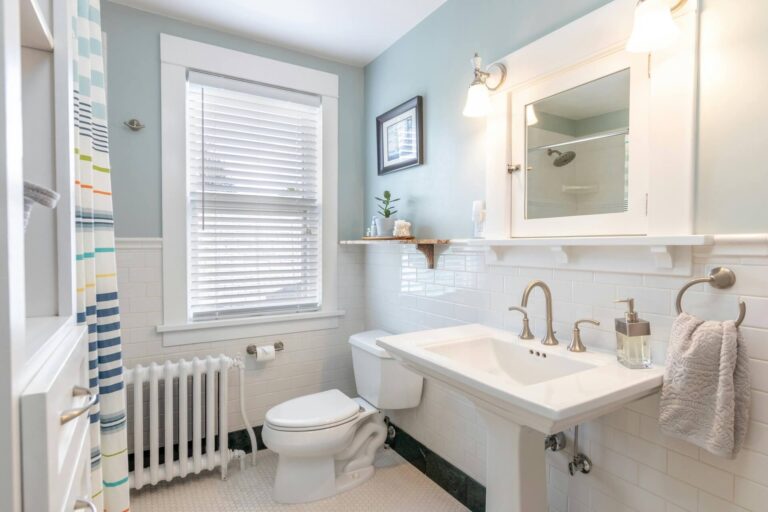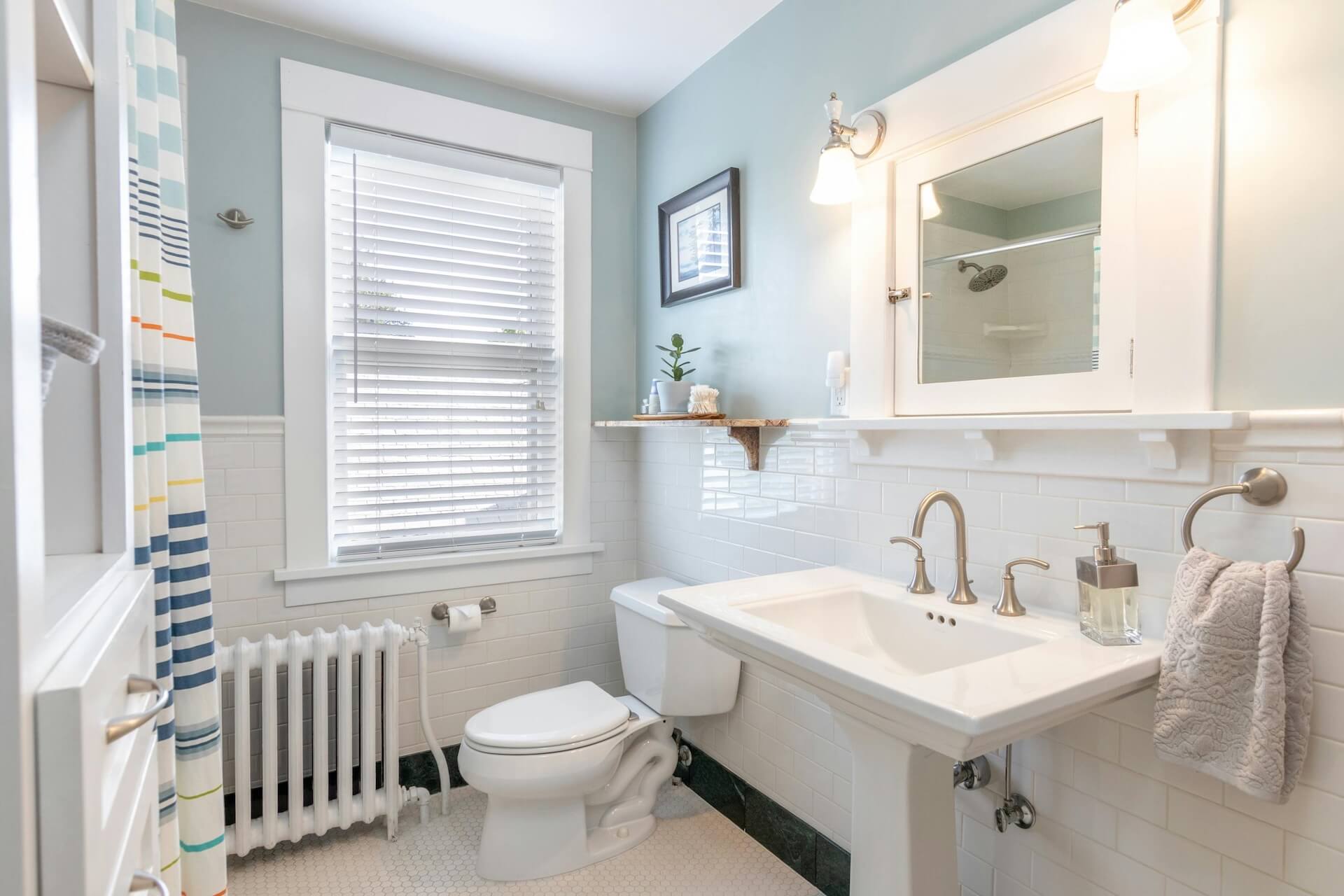
7 Best Bathroom Wall Protector Panels for Splash Zones
Protect your walls! Discover 7 best vinyl wall protectors for bath splash zones. Keep your bathroom pristine. Shop now!
Stepping out of a shower often leaves behind more than just a refreshing feeling; it frequently leaves behind moisture that wreaks havoc on bathroom drywall and baseboards. Over time, recurring splashes lead to peeling paint, unsightly water stains, and even mold growth in the most vulnerable corners of the home. Investing in a reliable vinyl wall protector serves as a practical, low-maintenance barrier that preserves the integrity of bathroom walls without requiring a full-scale renovation.
Wall-Defender Plus: Best for High-Traffic Baths
Busy households with multiple users often find that walls near a shower or vanity take a significant beating. The Wall-Defender Plus is engineered with an extra-thick vinyl composition designed to withstand constant moisture exposure and the occasional stray splash from a boisterous morning routine. Its rigidity ensures it stays flat against the wall, preventing the common “bubbling” seen with thinner, inferior adhesives.
This option is particularly effective in shared family bathrooms where constant humidity and high usage are the norms. The material is resistant to common household cleaning agents, meaning it can be wiped down daily without losing its finish or structural integrity. While the price point sits higher than basic liners, the longevity it offers in a high-traffic environment makes it a sound investment.
The bottom line remains: if the goal is to stop water damage in a bathroom that sees constant activity, this heavy-duty option provides the necessary resilience. Avoid using harsh abrasive scrubbers on this surface to ensure the protective layer stays intact for years to come.
SimpleShield Peel & Stick: Easiest DIY Install
For those who view home improvement as a weekend project rather than a construction career, ease of installation is often the deciding factor. SimpleShield utilizes a high-tack adhesive backing that adheres to most clean, smooth surfaces without the need for additional glues, caulk, or specialized tools. It allows for a near-instant upgrade to any bath area, making it ideal for renters looking to protect their security deposit.
The installation process is straightforward: clean the wall thoroughly, measure, cut to size with a utility knife, and apply firm pressure to bond the adhesive. Because it is lightweight, one person can easily manage the alignment without needing a second pair of hands. This simplicity does not sacrifice functionality, as the surface is fully waterproof and prevents deep-seated moisture damage.
Keep in mind that the adhesive is designed for semi-permanent use, which is perfect for most applications. If the goal is a quick, stress-free weekend fix, this is the most reliable path to achieving a watertight seal.
Aqua-Tough Textured Panel: Hides Wall Blemishes
Bathroom walls that have suffered through years of moisture often bear the marks of wear in the form of texture unevenness or minor surface dings. The Aqua-Tough Textured Panel features a subtle, embossed finish that effectively masks these imperfections while providing a high-performance moisture barrier. This is a clever way to avoid the time-consuming process of sanding and patching drywall before adding protection.
The texture also adds a bit of aesthetic variety, moving away from the “plastic” look often associated with standard vinyl protectors. It creates a matte finish that diffuses light, making the bathroom appear more polished and intentional. Despite the added texture, the material remains easy to wipe clean, as the grooves are shallow enough to prevent soap scum buildup.
For bathrooms that need both protection and a cosmetic facelift, this choice kills two birds with one stone. Focus on applying a thin bead of silicone caulk along the edges for the most seamless, professional-grade finish.
DuraPanel Value Pack: Best Budget-Friendly Choice
Replacing wall protection across several bathrooms or outfitting a large guest space can quickly become expensive. The DuraPanel Value Pack offers a sensible alternative by bundling multiple panels, significantly lowering the cost per square foot. It provides the same foundational moisture protection as higher-end brands, proving that effective home maintenance does not always require a premium price tag.
These panels are thinner than luxury options, which makes them incredibly easy to trim using heavy-duty household scissors. While they may not offer the same heavy-duty impact resistance as thicker boards, they are perfectly suited for low-to-medium traffic areas where the primary concern is moisture rather than physical bumps. It is an excellent solution for secondary bathrooms, basement baths, or utility rooms.
Prioritize this option when the objective is to protect multiple areas on a modest budget. Ensure the wall surface is completely dry and free of dust before application to get the most out of the included adhesive backing.
CleanSeam Interlocking Tile: The Grout-Free Look
Many homeowners crave the look of a tiled bathroom but dread the inevitable maintenance associated with scrubbing moldy, porous grout lines. CleanSeam offers a clever workaround with an interlocking vinyl system that mimics the appearance of individual tiles. Once clicked into place, the seams are tight enough to be nearly invisible and completely impervious to water.
This system provides a high-end visual result without the heavy lifting or professional labor costs of traditional tiling. Because the material is vinyl, it remains flexible and won’t crack or chip like ceramic tile if something is dropped against it. It is particularly effective for creating a “wet wall” aesthetic around a bathtub perimeter.
Use this system if the goal is to achieve a custom look without the high maintenance of traditional grout. Always use a level during the initial row installation to ensure the interlocking pattern stays perfectly aligned as the project progresses.
FlexiGuard Trim-to-Fit: For Awkward Bath Spaces
Not every bathroom follows a perfect rectangular footprint; many homes feature tight corners, odd nooks, and vanity-adjacent walls that require a custom touch. FlexiGuard is designed with a softer, more pliable vinyl compound that is easily cut and folded to fit around corners or irregular obstacles. It eliminates the frustration of trying to force a rigid board into a space where it simply does not want to go.
This flexibility makes it the top choice for DIYers working in older homes with non-standard wall configurations. Because it is highly adaptable, it can be wrapped around edges for a clean, cohesive look that protects vulnerable corners from accidental splashes. It is effectively a “measure once, cut twice” type of product that forgives minor calculation errors.
Choose this option if the workspace involves complex angles or tight spots where a rigid panel would fail. The slight sacrifice in thickness is well worth the gain in versatility.
American Standard Passage: Trusted Brand Reliability
When peace of mind is the priority, sticking with a brand that has decades of industry history is a common and effective strategy. The American Standard Passage line brings a level of manufacturing consistency that takes the guesswork out of the purchasing process. It offers a balance of durability, chemical resistance, and ease of cleaning that has been tested in countless residential applications.
These panels are designed to hold their color and finish over years of use, resisting the yellowing that can sometimes plague cheaper vinyl products. The brand provides detailed guidance on installation, reducing the likelihood of errors during the application process. It is a predictable, high-quality choice for those who prefer to “buy it once and forget it.”
While the price reflects the brand reputation, the longevity often saves money in the long run by delaying the need for replacement. For a worry-free, long-term solution, rely on this established standard.
How to Measure Your Space for the Perfect Fit
Accuracy in measuring is the single most important step in preventing leaks and ensuring a clean aesthetic. Always measure the height and width of the splash zone at the narrowest point to account for any slight bowing in the wall. It is better to have an extra inch of material to trim away than to be short by a fraction of an inch, which leaves the drywall exposed.
- Height: Measure from the top of the baseboard or tub deck to at least 24 inches up the wall, which is the standard splash zone for most sinks and showers.
- Width: Extend measurements at least two inches beyond the width of the sink or tub to ensure full coverage of the “spray zone.”
- Corners: When measuring for wraps, add an extra inch to each side of the corner to ensure the panel can be bent or overlapped properly.
Using a tape measure and a straight edge, mark the cut lines clearly on the back of the vinyl before cutting. A sharp utility knife and a steady hand are essential for clean edges, especially when trimming around outlet plates or light switches.
Cleaning and Maintaining Your New Wall Protector
The beauty of vinyl wall protection lies in how little effort is required to keep it looking brand new. A simple wipe-down with a damp microfiber cloth and a mild soap solution is usually sufficient for daily upkeep. Avoid using abrasive scouring pads or steel wool, as these will scratch the surface and create microscopic grooves where soap scum and bacteria can hide.
For areas that see heavy soap usage, such as inside a shower surround, a weekly application of a non-abrasive bathroom cleaner helps maintain the sheen. Always dry the wall protector after a particularly steamy shower to prevent hard water deposits from forming, which can dull the surface over time. If the protector features an interlocking seam, keep an eye on these areas to ensure no moisture is seeping behind the panels.
If the adhesive ever begins to lose its grip at the edge, a small, discreet bead of clear, waterproof silicone caulk can re-seal the area. This simple maintenance step adds years to the life of the product and keeps the wall behind it perfectly dry.
Vinyl Protector vs. Tile: A Practical Comparison
The choice between vinyl wall protectors and traditional tile often comes down to a battle between aesthetics and utility. Tile offers a premium, timeless look that can potentially increase a home’s resale value, but it comes with the heavy burden of grout maintenance. Grout is porous, meaning it requires regular sealing and deep scrubbing to prevent mold growth, which is a major drawback for busy homeowners.
Vinyl protectors offer a “set it and forget it” alternative that is completely non-porous, making it superior for preventing water damage behind the wall surface. It is significantly cheaper, faster to install, and easily replaced if the homeowner decides on a style change in the future. While it lacks the tactile heft of ceramic or stone, modern vinyl finishes are increasingly sophisticated and can be quite visually appealing.
Ultimately, tile is a long-term architectural decision, while vinyl is a practical, high-performance maintenance solution. For high-moisture zones where performance is the priority, vinyl frequently wins on cost-effectiveness and ease of use.
Whether you are looking to fix a specific water damage issue or simply want to minimize your weekly bathroom cleaning time, adding a vinyl wall protector is one of the most effective ways to safeguard your home. By selecting a product that fits your specific wall configuration and installation skill level, you can keep your bathroom looking fresh and protected for years to come.