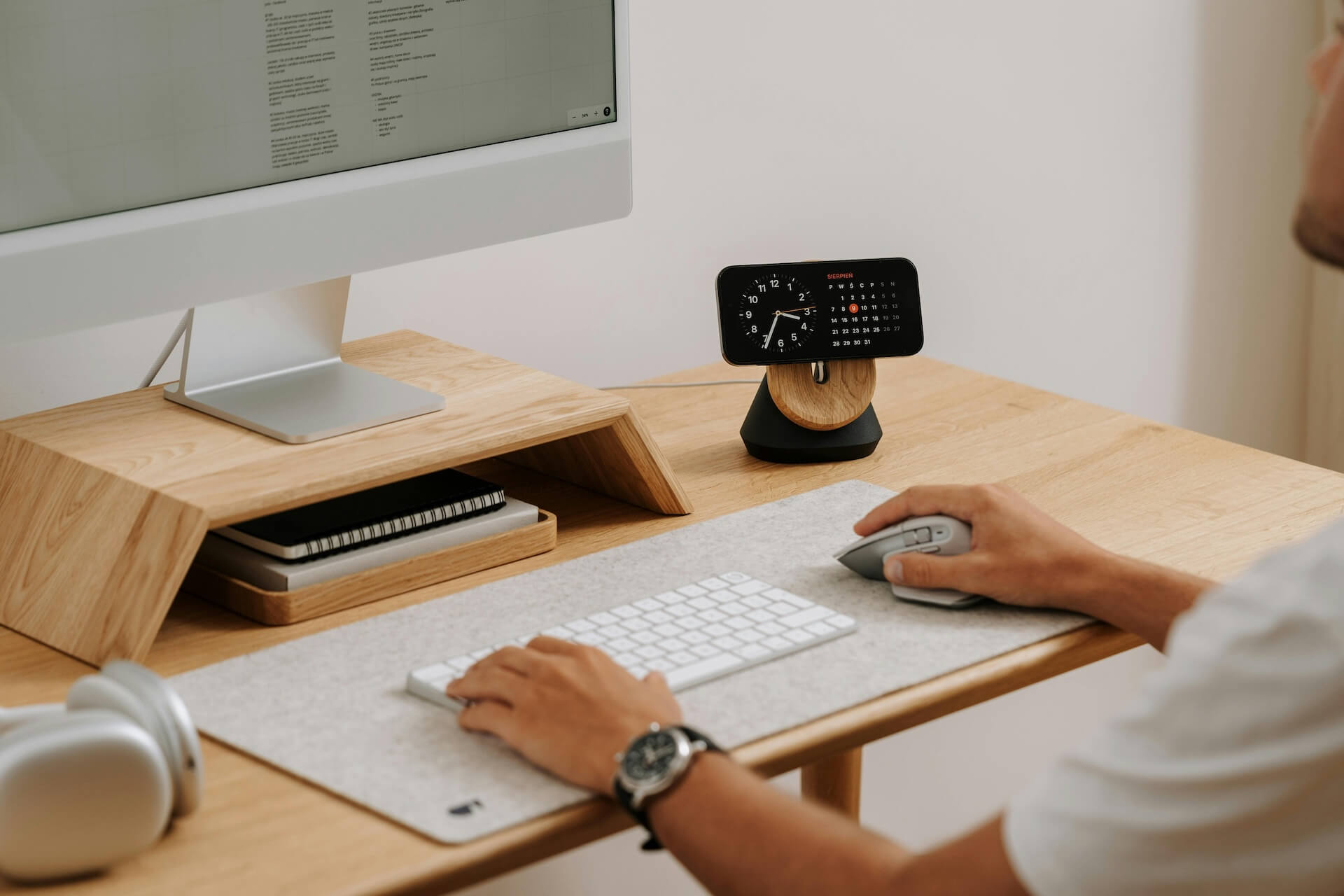
7 Best wooden monitor stands for improved posture
Improve your posture with the 7 best wooden monitor stands. Find the perfect one to elevate your workspace today!
Hours spent hunched over a laptop or desktop monitor often result in persistent neck strain and lower back discomfort. Raising a screen to eye level transforms the workspace from a source of physical fatigue into a zone of daily productivity. Choosing the right wooden stand balances ergonomic necessity with the existing aesthetic of a home office or shared living space.
Aothia Wood Riser: Best for a Simple, Clean Look
For households where the desk serves double duty as a dining table or a family command center, visual clutter is the primary enemy. The Aothia Wood Riser offers a minimalist solution that disappears into the background of a room, allowing the focus to remain on the workspace rather than the equipment. It provides a sturdy, elevated platform without unnecessary hinges or complex hardware.
The design relies on the natural warmth of wood, which blends seamlessly with traditional, farmhouse, or modern decor styles. Because it lacks drawers or partitions, it is incredibly easy to keep clean with a simple microfiber cloth. This makes it an ideal choice for households that prioritize low-maintenance surfaces.
While this model lacks storage, its footprint is exceptionally small. It works perfectly for tight setups where every square inch of desk surface counts toward keeping the home organized. If the priority is a clean, unobstructed aesthetic, this stand is a reliable, cost-effective winner.
Samdi Wood Stand: Ideal for Limited Desk Space
Apartment living or shared home offices often leave little room for expansive monitor setups. The Samdi Wood Stand utilizes a curved, bent-wood construction that creates a sleek, compact profile. Its rounded edges offer a softer, more inviting look than sharp-cornered metal risers, which is helpful in smaller rooms where space-saving furniture needs to feel approachable.
The space beneath the stand provides a convenient garage for a keyboard or a mouse when they are not in use. This simple habit creates extra room for paperwork or crafting supplies during the day. It is an excellent way to reclaim a cluttered desk without needing to buy a new piece of furniture.
However, the fixed height means it does not accommodate all users equally. It is best suited for those who need a moderate boost rather than a significant adjustment. When desk real estate is at a premium, the Samdi stand is a smart, budget-friendly compromise.
Kirigen Rustic Riser: Best for Farmhouse Style
Homeowners who favor a cozy, traditional interior often struggle to find office equipment that doesn’t look like sterile plastic. The Kirigen Rustic Riser features a distressed wood finish that brings character to a home office or den. It looks more like a decorative piece of furniture than a tech accessory, fitting perfectly alongside bookshelves and family photos.
Beyond the aesthetics, the solid wood construction offers substantial durability for heavier, legacy monitors that might overwhelm lighter, mass-produced stands. It brings a grounded, high-quality feel to the desk. This choice is perfect for those who want their home office to feel like a natural extension of their living space.
Because of the rustic nature of the wood, it requires slightly more attention to prevent moisture damage or scratches. Use a coaster for drinks and avoid placing damp items directly on the finish. For those who value style and sturdy construction, this stand is worth the investment.
Vaydeer Stand with Drawers: Best for Organization
A desk that lacks built-in drawers can quickly become a graveyard for pens, sticky notes, and loose cables. The Vaydeer Stand integrates storage directly into the riser, providing a specific home for the small items that usually clutter a workspace. This is an essential pick for students or home-based professionals who manage multiple projects at once.
The inclusion of drawers makes it easier to perform a quick “reset” at the end of the day. Simply clearing the desk surface into the drawers keeps the area ready for the next morning. It turns a chaotic workspace into a professional, controlled environment.
While it is functional, the added weight and size may require a larger desk surface. Be sure to measure the depth of the desk to ensure the stand doesn’t hang over the edge. For those who need to tame a messy desk, this is a highly practical investment.
Ever-Lift Adjustable Stand: For Finding Your Fit
Not everyone requires the same monitor height, especially when sharing a desk with family members of different statures. The Ever-Lift Adjustable Stand allows for incremental height changes, which is a major advantage for households with multiple users. Achieving the perfect ergonomic alignment is much easier when the stand can adapt to the person rather than forcing the person to adapt to the stand.
The mechanical adjustment process is straightforward, requiring no specialized tools or heavy lifting. This makes it a great choice for those who value utility and flexibility over a specific design motif. While it may look slightly more technical than a solid wooden block, the health benefits of proper posture are well worth the trade-off.
The adjustability makes this a long-term solution as household needs evolve. It can move from a child’s study desk to a parent’s workstation with ease. If ergonomic comfort is the primary goal, this stand provides the most customized fit.
Oak Knoll Two-Tier Shelf: Best for Dual Storage
When desk space is truly limited, vertical storage becomes the only viable option. The Oak Knoll Two-Tier Shelf acts like a mini bookshelf for the desktop, elevating the monitor on the top shelf while keeping notebooks or supplies on the lower level. This maximizes the utility of a single footprint, which is ideal for small home nooks or cramped guest rooms.
Having items within arm’s reach prevents the need to constantly stand up or dig through deep desk drawers. The sturdy wooden construction ensures the unit remains stable even when loaded with heavy items. It effectively turns a cramped surface into a tiered, efficient command center.
Because it is taller than a single-tier stand, it is important to place it in a location where it does not obstruct natural light. It works best against a wall or in a corner setup. This is the ultimate choice for the organized minimalist who needs to store more in less space.
The Office Oasis Dual Stand: For Two-Screen Setups
For those who manage a dual-monitor setup, finding a single stand that covers both screens is a common headache. The Office Oasis Dual Stand offers a wide, unified surface that keeps screens aligned perfectly. This prevents the “seam” between monitors from becoming an ergonomic issue, keeping the eyes level across both displays.
The sleek design is built for stability, ensuring that both monitors stay firmly in place without wobbling. It creates a cohesive look across a desk, making the office appear intentionally designed rather than a collection of mismatched parts. It is a must-have for anyone performing data entry, graphic design, or complex project management.
While it commands a larger desk footprint, it eliminates the need for two separate, smaller stands. This simplifies the cleaning process and creates a more professional aesthetic. For a dual-screen setup, this stand is the most reliable, long-term solution.
Finding the Right Height for Comfortable Posture
The goal of any monitor stand is to align the top third of the screen with the eyes while the head remains in a neutral, forward-facing position. To test the necessary height, sit upright in the desk chair and look straight ahead. The center of the screen should be roughly 15 to 20 degrees below the horizontal eye line.
Avoid the temptation to raise the screen too high, as this forces the neck to tilt upward and causes fatigue. If the chair height is adjustable, always set the chair first and the monitor stand second. Many homeowners find that a height of three to five inches is the “sweet spot” for most standard desks and seating arrangements.
Consider the following factors when selecting height: * Seating height: Does the chair have an adjustable gas lift? * Monitor base: Does the existing monitor stand have its own built-in height adjustment? * Desk depth: A deeper desk may allow for a slightly lower stand, whereas a shallow desk might benefit from a higher placement.
How to Care For and Clean Your Wooden Monitor Stand
Wooden accessories are durable, but they require proper care to maintain their finish and structural integrity. Dust the stand weekly with a soft, dry cloth to prevent particles from settling into the wood grain. For deeper cleaning, use a slightly damp cloth with mild soap, but immediately follow up with a dry cloth to prevent moisture absorption.
Avoid using harsh chemical cleaners or furniture polishes that contain silicone, as these can leave an oily residue that attracts more dust. If the stand is made of raw, unfinished wood, consider applying a thin coat of mineral oil once a year to keep the wood from drying out or cracking. This simple maintenance routine will ensure the stand lasts for years to come.
- Avoid liquid spills: Keep drinks away from the stand to prevent water rings.
- Watch the weight: Do not exceed the manufacturer’s recommended weight capacity, as this can cause bowing over time.
- Direct sunlight: If possible, avoid placing the stand in direct, harsh sunlight, which can fade or discolor certain wood finishes.
Stand Storage: Drawers, Shelves, or a Simple Rise?
Choosing between storage types often comes down to the frequency of use for the items on the desk. Drawers are ideal for loose items that need to be hidden away to maintain a clean appearance. Shelves are best for items that are used daily, such as a notebook, a planner, or a tablet, as they allow for quick access without opening and closing compartments.
A simple rise is best for those who use the space underneath for cable management or housing a keyboard, keeping the desk surface completely clear. Think about the “landing zone” of the desk; if the desk is currently cluttered with small gadgets, prioritize a model with drawers. If the desk is clear but the monitor feels low, a simple rise is the most efficient fix.
Ultimately, the best choice aligns with the daily workflow. A student with many supplies needs different features than a professional who only keeps a laptop and a mouse on the desk. Focus on the primary reason for the purchase—be it storage or height—and select the model that solves that specific frustration.
Investing in a high-quality wooden monitor stand is one of the most effective ways to improve daily comfort and desk organization. By selecting a model that matches the specific needs of the workspace, anyone can create a more sustainable and pleasant environment for work or study. Consistent care and a focus on ergonomic alignment will ensure the workspace remains a reliable, comfortable part of the home for years to come.