
7 Best Airtight Labels For Pantry Organization That Last
Organize your pantry with the 7 best airtight labels that last. Discover durable solutions and keep food fresh. Shop now!
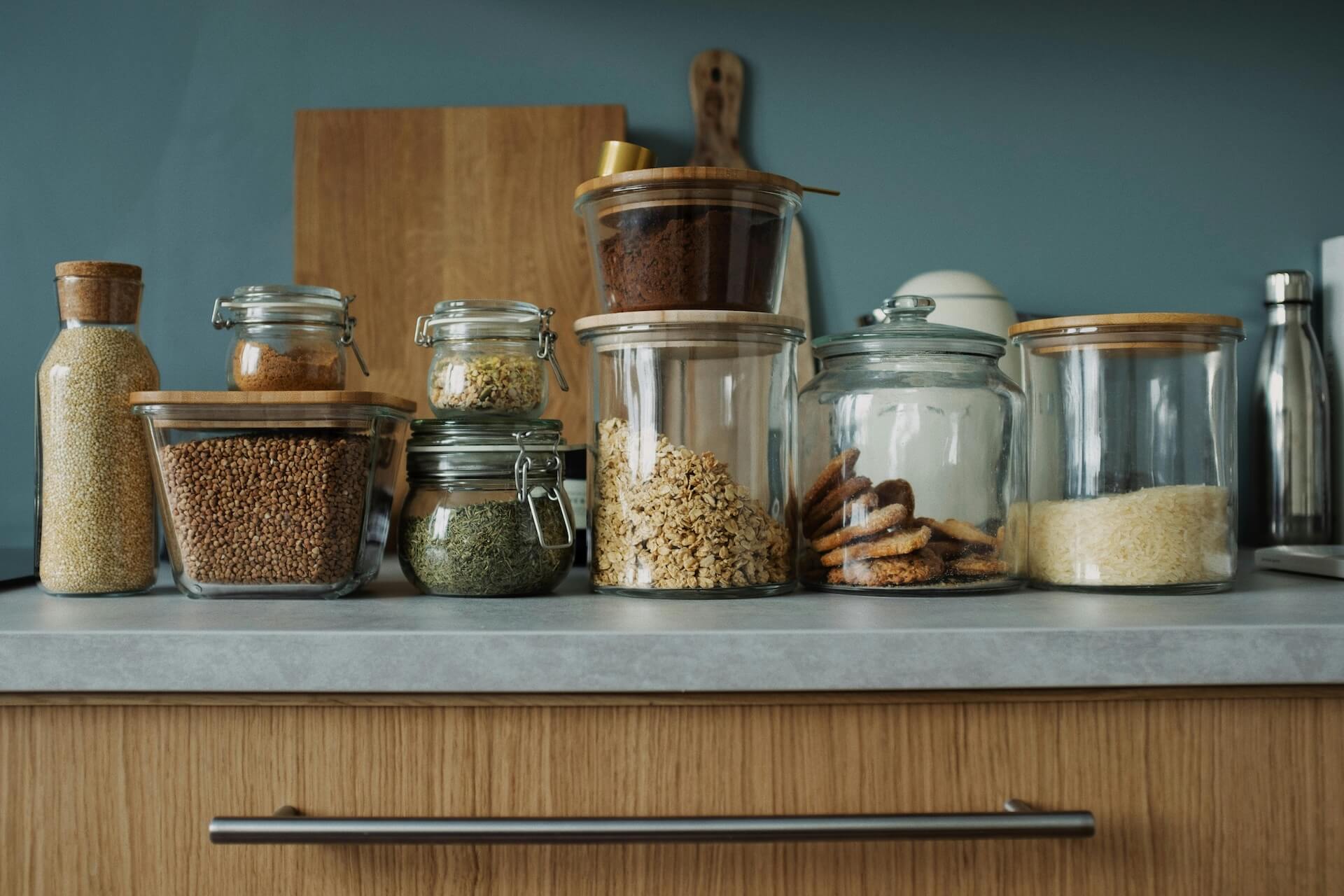
Opening the pantry to find a row of uniform, clearly marked containers is more than an aesthetic win; it is a way to streamline dinner prep and prevent food waste. When ingredients remain visible and clearly labeled, household members stop over-purchasing items already hiding in the back of the shelf. Selecting the right labels ensures this order remains intact, even in humid kitchens or high-traffic households.
KitchenCraft Pro Pantry Labels: Best Overall Pick
Busy families often require a balance between professional polish and simple application. KitchenCraft Pro labels offer a clean, high-contrast look that remains legible from across the room, making them ideal for high-traffic zones like the main flour or sugar canisters. These labels provide a classic aesthetic that fits almost any interior style, from farmhouse kitchens to modern apartments.
The adhesive backing is designed to withstand the varying temperatures of a kitchen, resisting peeling even near stoves or refrigerators. Because they are pre-printed with common pantry staples, they save significant time compared to creating custom designs. These are the go-to for homeowners who value consistency and want their storage system to look intentional without hours of labor.
Best for: Large households with multiple people accessing the pantry daily. Bottom line: An excellent, reliable middle-ground choice that balances durability with a clean, professional finish.
Brother P-touch Cube: Best for Ultimate Durability
For households that prefer custom names for specific items, such as “Specialty Gluten-Free Flour” or “Bulk Coffee Beans,” a label maker provides total control. The Brother P-touch Cube allows for varied fonts and sizes, printed on laminated tape that is essentially waterproof and oil-resistant. This level of customization ensures that even the most oddly shaped containers can receive a perfectly sized identification tag.
Unlike adhesive decals that might fade or tear over time, laminated thermal printing remains sharp for years. While the initial investment is higher due to the hardware requirement, the cost per label remains low, especially for those who label throughout the entire house. It is the most robust solution for those who demand a permanent, industrial-grade result.
Best for: Households requiring highly specific labels or those who plan on labeling beyond just the pantry. Bottom line: A higher upfront cost, but unrivaled when it comes to longevity and customization.
Talen-Art Vinyl Decals: Best for Glass Canisters
Glass canisters are a staple in many pantries, but they require a delicate touch to maintain a polished look. Vinyl decals by Talen-Art offer a sophisticated, “scripted” appearance that mimics hand-lettering without the risk of messy paint pens. These decals adhere exceptionally well to smooth, non-porous glass surfaces and resist moisture common in humid climates.
Because these are individual decals, they allow for flexible placement, which is helpful if a container has embossed branding or irregular geometry. They bring a decorative, intentional feel to the kitchen, elevating standard clear bins. Owners should apply them carefully once, as re-positioning vinyl can sometimes compromise the adhesive bond.
Best for: Those seeking a designer look for open-shelving pantries. Bottom line: A beautiful choice that prioritizes aesthetics, provided they are applied to clean, dry glass.
The Pioneer Woman Chalkboard Labels: Best for Style
For those who enjoy a cozy, rustic, or farmhouse-inspired kitchen, these chalkboard-style labels provide warmth and charm. They act as a focal point, turning simple plastic or glass storage into part of the decor. The benefit here is the ability to change the contents of the jar frequently and simply wipe the surface clean to write a new name.
These labels often come with a rustic aesthetic that hides smudges well, making them great for busy pantries where perfection is less important than function. However, the chalk markers used on these labels can smear if they come into direct contact with water. Use these in areas where containers are handled primarily by adults or older children.
Best for: Kitchens with a traditional or farmhouse theme. Bottom line: High on charm and versatility, but consider using permanent chalk ink if you want to prevent smearing.
Chalky-Finish Reusable Labels: Best for Budgets
Budget-conscious shoppers or those who frequently cycle through different bulk ingredients often prefer labels that can be swapped without replacement. Chalky-finish labels are highly affordable and allow for total flexibility in naming. They are particularly useful for bulk bins or containers used for seasonal rotation, such as holiday baking supplies or loose-leaf teas.
These labels are inexpensive to replace if they do eventually lose their stickiness. While they may not provide the same professional, rigid look as a printed vinyl decal, they offer the best value for money. They represent a practical solution for someone building an organization system one shelf at a time.
Best for: Renters or families on a budget who need a flexible, low-commitment solution. Bottom line: The most economical path to an organized pantry, offering the greatest flexibility for changing ingredients.
Mainstays Printed Spice Set: Best Pre-Printed Kit
Spices are notoriously difficult to label because of their small, narrow containers. The Mainstays pre-printed sets include almost every common kitchen herb and spice, taking the guesswork out of consistency. These kits are specifically designed for the standard jars found in most suburban kitchens, ensuring a uniform look from front to back.
The labels are usually sized to fit the lid or the side of standard spice jars perfectly. Buying a complete kit is far more efficient than printing individual labels, as it includes common names that might be overlooked otherwise. It is a time-saver for anyone looking to overhaul their spice rack in a single afternoon.
Best for: Rapidly organizing a large collection of spices. Bottom line: The ultimate time-saver for achieving a clean, uniform spice collection without any design effort.
OXO Good Grips Removable Labels: For All Containers
Sometimes, the best label is the one that can be removed cleanly when the container needs to go into the dishwasher. OXO’s removable labels are engineered for this exact purpose, utilizing a specialized adhesive that leaves zero residue behind. This is a game-changer for homeowners who rotate bulk grains and worry about labels becoming damaged during cleaning.
These are particularly useful for pantry items that are not kept in permanent rotation. If you frequently change your snack storage or bulk grain selection, having a label that releases easily is vital. They strike a balance between holding tight during daily use and releasing cleanly when it is time to refresh your storage bins.
Best for: Homeowners who value ease of maintenance over absolute permanence. Bottom line: A smart, functional choice for those who need flexibility and easy cleaning.
Printed vs. Handwritten: Which Label Is Right for You?
Choosing between printed and handwritten labels often comes down to the desired look and the available time. Printed labels provide a clean, high-contrast, and uniform appearance that is easy to read from a distance. They are ideal for high-use staples where consistency reduces visual clutter in a busy kitchen.
Handwritten labels, conversely, allow for total customization and a personal touch. If you prefer a unique style or have a specific handwriting aesthetic, chalk or paint markers offer more creative freedom. However, handwritten labels can be prone to smudging and may lack the “professional” polish of pre-printed alternatives.
Decision Framework: * Choose Printed if the pantry is visible to guests or you want a perfectly uniform, “store-bought” look. * Choose Handwritten if you frequently change your inventory or enjoy a more eclectic, personal kitchen vibe.
How to Prep Jars and Bins for Better Label Adhesion
Even the most expensive, high-quality labels will fail if the surface is not properly prepared. The most common cause of peeling labels is a film of cooking oil or dust on the container surface. Before applying any label, wipe the surface down with a cloth dampened with isopropyl alcohol to strip away hidden grease.
Allow the container to dry completely before applying the label. If you are applying a label to a curved surface, avoid stretching the sticker; instead, work from the center outward to push out trapped air bubbles. If the container is cold or was recently taken out of the dishwasher, let it reach room temperature first to ensure the adhesive sets correctly.
Removing Old Labels Without Damaging Your Containers
Removing old, stubborn labels often results in a sticky residue that is harder to remove than the label itself. To clear this, warm the residue with a hairdryer on a low setting for about thirty seconds; the heat softens the adhesive, allowing it to be peeled away in one piece. For any remaining tacky spots, a small amount of vegetable oil or a dedicated adhesive remover works wonders.
Avoid using metal scrapers or abrasive steel wool, as these will permanently scratch glass and plastic canisters. Once the residue is gone, wash the container thoroughly with warm soapy water to ensure no oil or cleaning product remains. This creates a clean slate, ensuring your new labels adhere smoothly and last significantly longer.
Selecting the right labels is an investment in your kitchen’s long-term functionality and ease of use. By prioritizing the specific needs of your household—whether that is durability, style, or the ability to frequently change contents—you can transform your pantry from a cluttered mess into a streamlined workspace. Choose the method that best fits your daily routine, and enjoy the lasting order of a well-labeled home.

