

7 Best Emergency Supply Kit Labels With Contents Lists
Organize your gear with our top 7 emergency kit labels. Learn which essential items to include to ensure you are fully prepared for any unforeseen crisis.
Imagine waking up in the middle of a power outage, scrambling through a dark closet for your emergency supplies, only to find a jumble of unidentifiable containers. Properly labeling your emergency kits turns a moment of high-stress panic into a calm, efficient retrieval process. This guide explores the best labeling solutions to ensure your household is prepared for any unexpected event.
Ready America Emergency Kit Labeling System


When you are managing a household with children or elderly family members, simplicity is your greatest asset. Ready America offers a system designed specifically for the layperson, focusing on color-coding and clear, bold text that is easy to read under duress.
These kits often come with pre-printed categories like "First Aid," "Food," and "Light," which eliminates the guesswork for anyone helping you during an emergency. While they might lack the customization of industrial labels, they provide a standardized look that works perfectly for residential closets or garage shelves.
The primary trade-off here is flexibility; you are limited to the categories provided in the kit. However, for most homeowners, this "plug-and-play" approach is far more effective than trying to design a custom system from scratch.
Labelmaster Pre-Printed Hazard Safety Labels

If you are storing chemical supplies, fuel for generators, or heavy-duty batteries, standard office labels simply won’t cut it. Labelmaster provides industrial-grade hazard labels that communicate risks clearly, which is vital if emergency responders ever need to enter your home.
These labels are designed to withstand extreme temperatures and moisture, ensuring that your warning signs don’t peel off when you need them most. They are an excellent choice for basement storage areas or detached sheds where humidity levels fluctuate throughout the year.
Because these are industrial products, they can be slightly more expensive and harder to source than standard stationery. Use them specifically for high-risk items and rely on simpler labels for your basic food and water supplies.
Avery Durable Waterproof ID Sticker Sheets
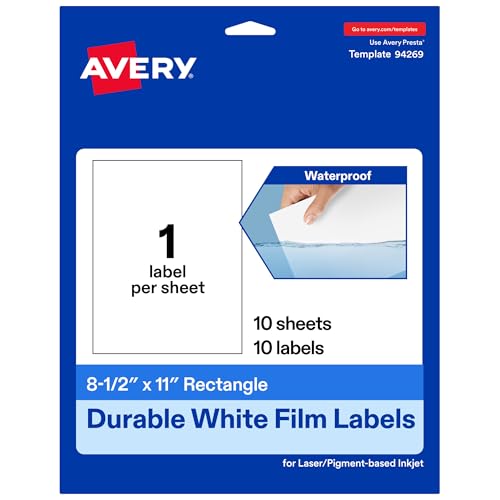
Avery is a household name for a reason, and their durable, waterproof sticker sheets are the gold standard for DIYers who want a professional look. You can print your own content lists at home using their free templates, allowing for highly specific inventory tracking.
These are perfect for renters who need to move their kits frequently; the adhesive is strong enough to hold, but the material is thin enough not to bulk up your storage bins. You can easily print out a list of expiration dates and quantity counts, which makes seasonal inventory checks much faster.
The main challenge is that you need access to a printer and a bit of patience to align the sheets correctly. If you have a large family and need to label dozens of individual bins, this is the most cost-effective way to maintain a clean, organized system.
Fix-It-All Heavy Duty Vinyl Storage Labels
For those living in apartments or homes with limited storage, you likely use stackable plastic bins that get moved around often. Fix-It-All vinyl labels are designed to grip onto rough plastic surfaces that standard paper stickers would fall off of within weeks.
The vinyl material is highly resistant to tearing and fading, which is crucial if your emergency kit is stored in a garage or a semi-exposed area. They provide a clean, high-contrast surface that remains legible even in low-light conditions.
While they are excellent for durability, they are generally sold in pre-set themes, meaning you might have to buy multiple packs if you have a wide variety of items. They are a solid "set it and forget it" solution for long-term storage setups.
Brady B-595 Industrial Grade Safety Tags
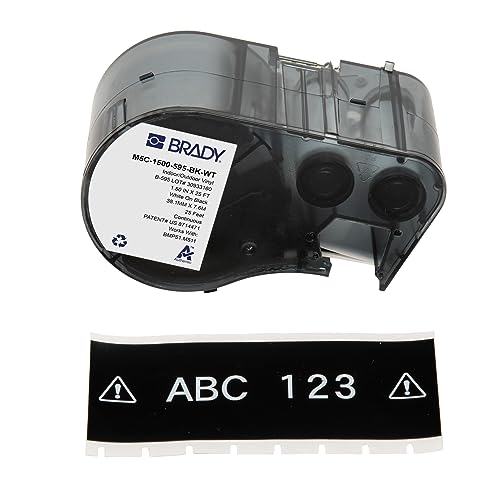
If you are serious about long-term disaster preparedness, Brady B-595 tags offer a level of resilience that is unmatched by consumer-grade options. These are essentially permanent markers for your storage containers, built to resist chemicals, oils, and UV light.
These are best used for "master" kits that aren’t accessed until a true emergency occurs. Because they are so durable, they are ideal for labeling the outside of heavy-duty trunks or metal cabinets that might be stored in an attic or crawlspace.
The downside is that they are permanent; if you change the contents of your bin, you will likely need to cover the old tag rather than remove it. Reserve these for your most critical, unchanging supplies to get the best value for your investment.
Brother P-Touch Laminated Labeling Tape
Create durable, professional labels with this 2-pack of Brother P-Touch TZe-231 tape. Featuring 7-layer lamination, these ½” black-on-white tapes are resistant to water, fading, and extreme temperatures for lasting legibility on any surface.

The Brother P-Touch system is a staple in many homes because it offers the perfect balance between professional organization and household convenience. The laminated tape is resistant to water, heat, and abrasion, making it ideal for everything from water jugs to flashlights.
One of the biggest advantages is the ability to print out specific expiration dates or "last checked" dates right on the label. This keeps your inventory rotation on schedule, ensuring you aren’t stuck with expired food or dead batteries when the power goes out.
The initial cost of the label maker is an investment, but the per-label cost is very low over time. It is a fantastic choice for families who want to keep their emergency supplies looking neat while maintaining a strict maintenance schedule.
National Marker Co. Custom Facility Labels

Sometimes, you need a label that explains a process rather than just naming an object. National Marker Co. allows for custom text, which is perfect for creating "how-to" instructions for your emergency gear, such as how to operate a water filter or a portable stove.
These are particularly useful for households with teenagers or guests who might not be familiar with your emergency protocols. Having clear, written instructions attached to the equipment can prevent accidents during the chaos of a power outage or evacuation.
These are professional-grade products, so they are priced higher and often sold in larger quantities. Consider splitting a pack with a neighbor or a community group to keep costs down while ensuring your home is fully equipped with instructional signage.
Essential Items to Include in Every Kit
Regardless of which label you choose, the content list itself is what matters most during an emergency. At a minimum, every kit should list the quantity of water, the number of non-perishable food items, and the status of any essential medications.
Include a "Last Inspected" date on every label to ensure you aren’t relying on stale supplies. For a household of four, your list should clearly distinguish between shared supplies and individual items like spare glasses or specific dietary needs.
Keep the list concise; you don’t need a paragraph, just a quick reference. Use bullet points for items like "3 Flashlights," "6 Sets of Batteries," and "1 First Aid Kit" to make the inventory check a thirty-second task.
Best Materials for Long-Term Label Durability
When selecting your labeling material, prioritize water resistance and adhesive strength over aesthetic design. In a basement or garage, moisture is the enemy of paper labels, which will peel and become unreadable within a single season.
Vinyl and laminated polyester are your best bets for longevity in non-climate-controlled environments. If you are labeling fabric bags or soft-sided emergency packs, look for iron-on labels or heavy-duty fabric tape that won’t flake off when the bag is compressed.
Avoid masking tape or standard office stickers, as the adhesive will dry out and fail over time. Spending a few extra dollars on specialized materials now will save you from having to re-label your entire emergency inventory in a year.
How to Organize Kits for Rapid Accessibility
Organization is about more than just the label; it’s about the placement of the item in relation to the label. Place your most critical items—like flashlights and first-aid kits—at eye level or in the most accessible part of your storage area.
Use a "master list" on the wall near your storage area that mirrors the labels on your bins. This allows anyone in the house to see exactly what is available without having to open every single container to check the contents.
Finally, keep your kits grouped by function rather than size. It is much more intuitive to have a "Medical" bin and a "Food" bin than to have a "Big Bin" and a "Small Bin" where items are mixed together randomly.
Taking the time to label your emergency supplies is one of the most practical steps you can take to protect your family. By choosing durable materials and clear, concise lists, you ensure that help is always within reach regardless of the circumstances. Start small, stay consistent, and rest easy knowing your home is truly prepared.

