7 Best Seed Packet Envelopes for Gardening Storage
Organizing seeds is vital for garden success. We review 7 top-rated, durable seed packet envelopes that ensure long-term storage and optimal moisture control.
Every spring, I watch homeowners struggle with half-opened, spilled seed packets that seem to lose their viability before the next planting season. Proper storage isn’t just about being tidy; it’s about protecting your investment and ensuring your garden thrives year after year. These seven envelope options offer practical ways to organize your stash, whether you’re gardening on a tiny apartment balcony or managing a sprawling backyard plot.
Seed Needs Kraft Paper Envelopes for Durability
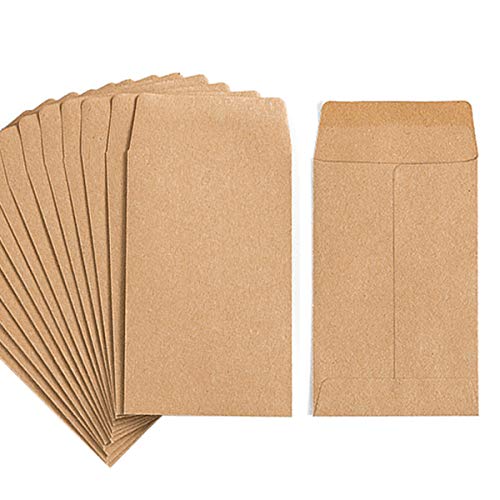

If you are the type of gardener who likes to toss your seed collection into a metal tin or a shoebox, you need something that won’t tear at the seams. Kraft paper is the workhorse of the stationery world, offering a rugged, tear-resistant surface that holds up well to repeated handling.
These envelopes are ideal for those who frequently trade seeds with neighbors or move their storage containers between the shed and the kitchen table. Because they are opaque, they provide a dark environment that protects seeds from light-induced degradation.
The trade-off here is the lack of visibility, meaning you must be diligent with your labeling. However, for a gardener who prioritizes longevity over aesthetics, the durability of kraft paper is hard to beat.
Gardeners Supply Co. Seed Packets for Longevity
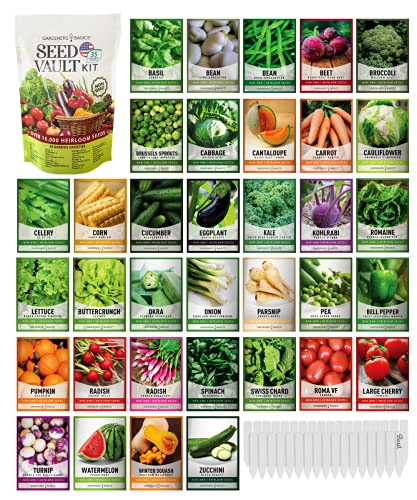
When you invest in high-quality heirloom seeds, you want storage that reflects that value. These packets are specifically designed for the home gardener, offering a professional feel that keeps your collection looking organized and intentional.
They are particularly useful for those living in smaller spaces where your seed stash doubles as a decorative element on a shelf. The paper weight is substantial, preventing the "crush" factor that often happens when you stack multiple packets together.
While they may cost a bit more than generic office supplies, the peace of mind they provide is worth the investment for your favorite varieties. They are a great middle-ground choice for those who want a blend of function and form.
PlantGoodSeed Mini Envelopes for Easy Labeling
Small-space gardeners know that every square inch of shelf space counts, and large envelopes can quickly become cumbersome. Mini envelopes are a game-changer for those who grow a high variety of crops in small quantities, such as herbs or microgreens.
The surface area on these envelopes is perfectly sized for a quick label, making it easy to jot down the variety and the year of harvest. Because they are smaller, you can fit a larger number of them into a standard index card box.
They are an excellent choice for beginners who are just starting to save seeds and don’t want to be overwhelmed by bulky packaging. Just be aware that their small size makes them unsuitable for larger seeds like beans or peas.
Seed Savers Exchange Coin Envelopes for Storage
If you have ever visited a seed swap, you have likely seen these envelopes in action. They are the gold standard for long-term storage because they are designed to be sealed tight, keeping your seeds secure and organized.
These are perfect for the serious home gardener who keeps detailed records of their harvest dates and germination rates. The adhesive on the flap is generally reliable, ensuring that even the smallest seeds don’t leak out into the bottom of your storage box.
They are often sold in bulk, making them a very cost-effective solution for households that save seeds on a large scale. They might not be the flashiest option, but they are undeniably reliable for year-round preservation.
BetterThanPaper Glassine Bags for Seed Moisture
These 100 glassine wax paper bags offer an eco-friendly packaging solution for food, treats, and small items. Their translucent, writable surface allows for easy labeling and a glimpse of contents, perfect for bakeries, parties, and everyday use.

One of the biggest enemies of stored seeds is humidity, which can cause mold or premature sprouting. Glassine bags are semi-transparent and moisture-resistant, making them an excellent choice for those living in humid climates or basements.
The transparency is a huge advantage, as it allows you to see the contents without opening the bag and exposing the seeds to air. This is particularly helpful when you have multiple varieties of similar-looking seeds.
Keep in mind that glassine is thinner than kraft paper, so you should store these bags within a secondary container to prevent punctures. They offer a sophisticated, clean look that appeals to those who value a tidy, minimalist storage system.
Uline Kraft Coin Envelopes for Bulk Seed Saving

For the gardener who manages a large property and harvests seeds by the handful, buying retail-sized packs is simply not efficient. Uline-style coin envelopes are the go-to for bulk storage because they are inexpensive and incredibly sturdy.
These are best suited for the "homestead" approach to gardening, where you aren’t worried about branding or aesthetics. They are essentially industrial-grade storage that will protect your seeds from physical damage during long-term storage.
While you might have to buy them in large quantities, the price per unit is significantly lower than specialty garden packets. If you have a large family or a shared community garden, splitting a box of these with friends is a very smart move.
Avery Small Gift Envelopes for Seed Organizing

Sometimes the best solution for your garden is found in the office supply aisle rather than the garden center. Avery-style gift envelopes are often overlooked, but their consistent sizing and easy-to-write-on surface make them surprisingly effective for seed storage.
They are perfect for the casual gardener who wants to keep things simple and avoid the hassle of specialty ordering. You can find these at almost any local store, making them an accessible option for renters who need a quick organizational fix.
Because they aren’t specifically designed for seeds, they may not be as moisture-resistant as glassine or heavy-duty kraft. However, if you store them in a cool, dry place like a closet or a drawer, they will perform perfectly fine for several seasons.
Why Moisture Control Matters for Seed Longevity
Seeds are living embryos that remain in a state of dormancy until they encounter the right conditions. If your storage envelopes allow moisture to seep in, you risk triggering that dormancy prematurely or, worse, encouraging fungal growth.
Regardless of which envelope you choose, the goal is to maintain a stable, low-humidity environment. This is why many experienced gardeners place their envelopes inside a sealed glass jar with a small desiccant packet.
Think of your envelopes as the first line of defense, but remember that they are not a vacuum seal. By choosing materials that breathe just enough to prevent rot but block enough to keep humidity out, you maximize the lifespan of your garden.
Best Methods for Labeling Your Stored Seeds
A seed packet without a label is a mystery that usually ends in disappointment come planting time. Always include the plant variety, the date of harvest, and any specific notes about the plant’s performance in your garden.
I recommend using a fine-tip permanent marker so the ink doesn’t smudge if the envelope happens to get a little damp. If you are using dark kraft paper, consider using a white paint pen or a small adhesive label for better readability.
Consistency is key, so find a labeling format that works for you and stick to it across all your envelopes. When you open your storage box in the spring, you will be thankful for the clear, organized information you left for your future self.
Ideal Storage Conditions for Seed Preservation
The best envelopes in the world won’t save your seeds if you store them on a sunny windowsill or near a radiator. Seeds thrive in "cool, dark, and dry" conditions, which usually means a closet or a pantry away from exterior walls.
If you are a renter with limited space, a dedicated shoebox kept under the bed or in the back of a hallway closet is often the most stable environment. Avoid kitchens or bathrooms where temperature and humidity fluctuate wildly throughout the day.
For long-term preservation, some gardeners even utilize the refrigerator, but ensure your envelopes are inside an airtight container to prevent condensation. Ultimately, consistency of temperature is more important than finding the "perfect" cold spot.
Choosing the right seed envelope is about balancing the scale of your garden with the space you have available in your home. Whether you opt for the industrial durability of kraft paper or the visibility of glassine, the most important step is simply getting your seeds organized and protected. Start with what you have, keep your storage cool and dry, and you’ll enjoy a much more successful planting season next year.