

7 Best Seed Starting Cell Inserts for Healthy Starts
Boost your garden’s success with our top 7 seed starting cell inserts. Discover the best durable, eco-friendly, and efficient options for strong, healthy starts.
Starting your own garden from seed is one of the most rewarding ways to reclaim your kitchen and save on grocery bills throughout the season. Choosing the right cell inserts can turn a frustrating, messy chore into a streamlined process that fits perfectly into your busy home routine. With the right gear, you’ll find that nurturing tiny seedlings is far more manageable than you ever imagined.
Bootstrap Farmer Heavy Duty 1020: Best for Longevity
These extra-strength, BPA-free 1020 trays are designed for robust seed starting and microgreen cultivation. Their hole-free construction ensures easy planting and efficient drainage, fitting seamlessly with other Bootstrap Farmer equipment.
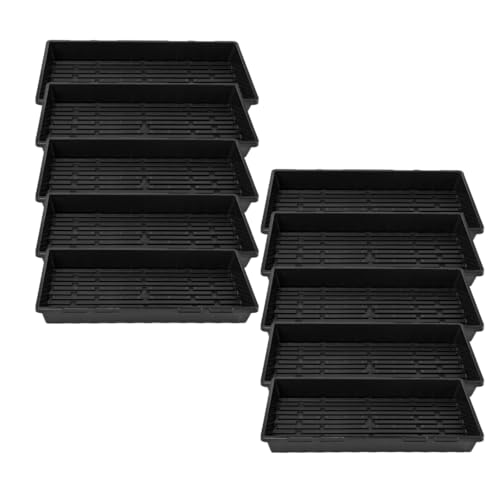

If you are tired of flimsy plastic trays that crack after a single season, the Bootstrap Farmer series is likely the solution you need. These are designed for the serious home gardener who views seed starting as a multi-year investment rather than a disposable task.
Because they are made from thick, BPA-free plastic, they won’t buckle when you carry them from the sink to your grow lights. While the initial price point is higher than standard nursery trays, you won’t have to worry about replacing them every spring.
If you have a dedicated basement or garage setup, these will last for years of heavy use. Just be aware that their rigid nature requires a bit more storage space during the off-season compared to collapsible options.
Burpee SuperSeed Starting Tray: Best for Beginners

When you are just starting out and don’t want to commit to professional-grade equipment, the Burpee SuperSeed system offers a user-friendly entry point. These kits typically come with everything you need, including the cells, a tray, and a clear humidity dome.
The main advantage here is simplicity; you don’t have to hunt for compatible parts because the system is sold as a cohesive unit. It’s perfect for the kitchen windowsill gardener who only wants to start a few herbs or tomatoes for a small patio garden.
Keep in mind that these are often made of thinner plastic, so they aren’t meant for heavy-duty, long-term reuse. For someone testing the waters of gardening, this is a low-risk, high-reward purchase.
Park Seed Bio Dome: Best for High Germination Rates
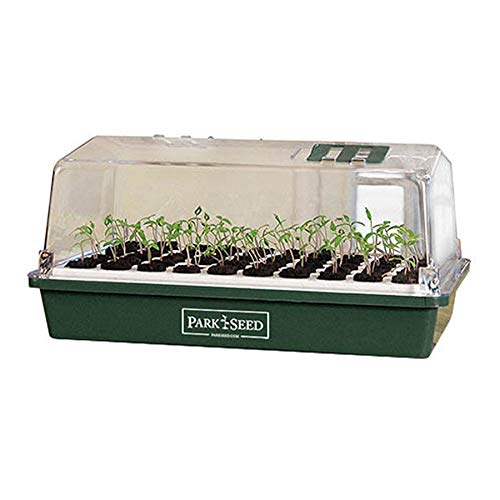
The Bio Dome is a favorite for those who struggle with seeds that just won’t seem to sprout. Its unique design uses pre-formed sponges that provide the perfect balance of moisture and aeration, which is often where traditional soil-based methods fail.
The dome is exceptionally well-engineered to maintain a consistent microclimate, reducing the need for constant monitoring. If you are starting expensive or rare seeds, the extra cost is justified by the significantly higher success rate.
This system is ideal for busy households where you might forget to water for a day or two. The trade-off is that you are locked into buying their specific sponge refills, which adds to the long-term cost.
Gardener’s Supply Silicone Trays: Best for Easy Prep
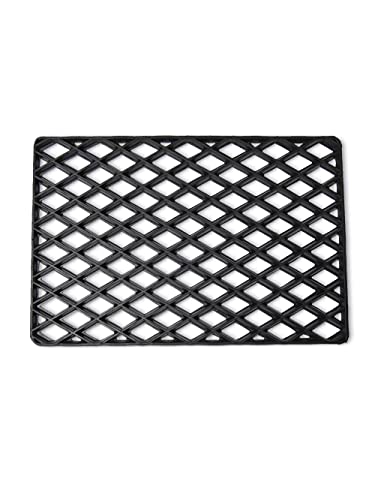
Removing seedlings from rigid plastic cells can be a nerve-wracking experience, especially when you’re worried about damaging delicate roots. Silicone trays solve this problem by allowing you to pop the plants out with a gentle squeeze from the bottom.
These are particularly useful if you have limited dexterity or simply want a frustration-free transplanting day. They are also incredibly easy to clean, as they can often be tossed in the dishwasher or rinsed off in the sink without fear of cracking.
Since they are flexible, they do require a sturdy base tray underneath to provide support when moving them. For a renter with limited space, these are excellent because they are flexible enough to store in a small drawer or bin.
Jiffy Professional Greenhouse: Best for Convenience

The Jiffy Greenhouse is the classic "just add water" solution that has been a staple in homes for decades. It comes with peat pellets that expand when hydrated, eliminating the need to buy and store bulky bags of seed-starting mix.
This is the ultimate choice for someone living in an apartment who doesn’t have a place to store potting soil or messy supplies. It keeps your workspace clean and makes the planting process incredibly fast.
However, be aware that peat pellets can dry out quickly once the seedlings are established. You will need to keep a close eye on moisture levels as your plants grow, or consider transplanting them into larger pots sooner than you would with a soil-filled tray.
Epic Gardening Seed Cells: Best for Root Health
Grow stronger seedlings with these durable, reusable 6-cell seed starter trays. Featuring air pruning slots for healthy roots and effortless finger-push removal, they simplify transplanting and promote vibrant plant growth.
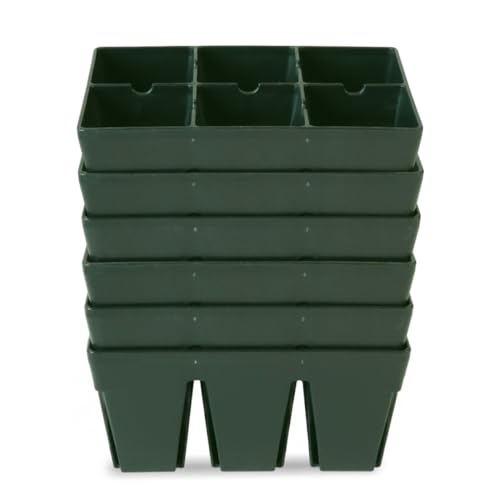
Root health is the secret to a vigorous garden, and these cells are designed to promote "air pruning." This process prevents roots from circling the bottom of the cell, which can lead to stunted plants that struggle once they hit the garden bed.
The design encourages a dense, fibrous root system that is ready to explode with growth upon transplanting. If you notice your seedlings usually suffer from "transplant shock," these cells are a game-changer.
They are built to be durable and modular, fitting well into standard 1020 tray footprints. While they are a premium option, the health of your final harvest often reflects the care you put into the root development phase.
Anderson Pots Plastic Inserts: Best for Bulk Value
If you are planning a large-scale garden or have a community project that requires dozens of trays, Anderson Pots are the industry standard for value. They are lightweight, stackable, and designed to fit standard nursery flats perfectly.
You aren’t paying for fancy bells and whistles here; you are paying for efficient, functional plastic that gets the job done. They are the go-to choice for gardeners who prefer to buy in bulk and replace trays every few years.
Because they are thinner, they are best suited for gardeners who have a permanent shelf or tray support system. They are an economical way to scale up your operation without breaking your budget.
Choosing the Right Cell Depth for Your Seedlings
Not all plants have the same requirements, and choosing the wrong cell depth can lead to root rot or stunted growth. Shallow cells are perfectly fine for small seeds like lettuce or flowers that don’t need much time before heading outdoors.
However, if you are starting peppers or tomatoes that will spend six to eight weeks indoors, you need deeper cells. A deeper cell allows for a larger root mass, which translates to a stronger, more resilient plant when it finally hits the soil.
- Shallow (1–2 inches): Best for fast-growing greens and herbs.
- Deep (3+ inches): Essential for slow-growing vegetables and heavy feeders.
- Rule of thumb: If the plant will be indoors for more than a month, give it more room for roots to expand.
Plastic vs. Silicone: Which Material Lasts Longer
Plastic trays are the traditional choice, but their longevity depends entirely on the thickness of the material. Heavy-duty plastic can last nearly a decade if stored away from direct sunlight, while thin "flimsy" trays are often one-and-done.
Silicone is the newcomer, offering superior flexibility and ease of removal, but it can be more expensive upfront. Silicone also doesn’t degrade from UV light as quickly as cheap plastic, though it can occasionally hold onto stubborn mineral deposits from hard water.
If you value durability, look for high-density, BPA-free plastics or food-grade silicone. Always consider how you will store these in the off-season, as rigid plastic requires more shelf space than flexible silicone.
Essential Tips for Cleaning and Reusing Your Trays
Cleaning your trays is not just about aesthetics; it is a vital step in preventing soil-borne diseases from killing your next batch of seedlings. After the season ends, scrub your trays with a soft brush and a mild soap solution to remove all leftover soil and organic matter.
To ensure they are truly sanitized, soak them in a solution of one part bleach to nine parts water for about ten minutes, then rinse thoroughly. This step is non-negotiable if you had any issues with damping-off or mold during the previous season.
- Dry completely: Always let your trays air dry in the sun before stacking them for storage.
- Labeling: Use a permanent marker on the side of the tray to track what was planted, but wipe it clean with rubbing alcohol before the next use.
- Storage: Keep your trays in a cool, dark place to prevent the plastic from becoming brittle over time.
Finding the right seed starting system is all about balancing your available space, your budget, and the scale of your gardening goals. Don’t feel pressured to buy the most expensive equipment when a simple, well-maintained tray can produce just as many healthy plants. Choose a system that makes the process enjoyable for you, and you’ll find yourself looking forward to every planting season.
