7 Best Closet Pole Socket Hardware for Repairs Durable
Restore your wardrobe’s stability with our top 7 closet pole sockets. Discover durable hardware picks that ensure long-lasting support for your heavy clothes.
We have all experienced that sudden, jarring thud of a closet rod collapsing under the weight of winter coats or a growing wardrobe. Choosing the right closet pole socket is the difference between a reliable, stress-free morning routine and a recurring home repair headache. This guide will help you navigate the hardware aisle to find a durable solution that fits your specific closet setup.
Everbilt Heavy-Duty Steel Closet Pole Sockets


If you are dealing with a closet that constantly feels overloaded, these steel sockets are a workhorse solution. They are designed for homeowners who prioritize raw strength over aesthetic flair, making them perfect for heavy-duty storage in mudrooms or primary bedroom closets.
The steel construction resists the bending that often plagues thinner, cheaper hardware when faced with heavy winter gear. Because they are typically finished with a simple coating, they are utilitarian and functional rather than decorative.
Bottom line: These are the best choice for high-traffic, high-weight closets where you need peace of mind more than a polished look.
Prime-Line Closet Rod Flanges for Added Support
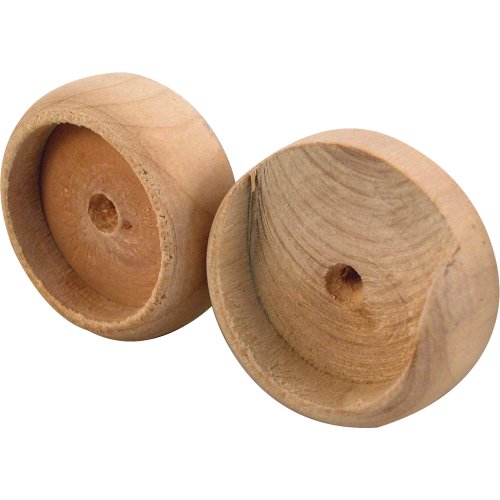
Sometimes, you need a little extra security for a rod that spans a wide, awkward closet space. Prime-Line flanges are excellent for situations where you need to anchor a rod firmly against a side wall to prevent shifting or wobbling.
These are particularly useful in older homes where wall studs might not be perfectly aligned or where the closet configuration is non-standard. The extra mounting holes provide a wider distribution of weight, which helps protect your drywall from crumbling under pressure.
Bottom line: Choose these when you need to stabilize a rod that feels loose or prone to sliding out of place.
Design House Satin Nickel Rod End Supports
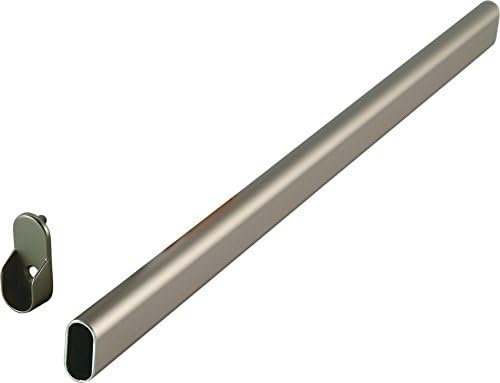
If your closet is visible from the bedroom or you simply appreciate a cleaner, more finished aesthetic, these supports are a great upgrade. They offer a modern, polished look that elevates the feel of a standard reach-in closet without breaking the bank.
Beyond the style, the satin nickel finish is generally resistant to the minor scratches that occur when you are constantly moving hangers back and forth. They strike a nice balance between "home improvement store" utility and a more intentional, designed appearance.
Bottom line: These are perfect for homeowners who want their closet hardware to look as good as it functions.
Knape & Vogt Adjustable Closet Pole Sockets
Adjustable sockets are a lifesaver for renters or those living in older apartments where the closet width might not be perfectly uniform. These allow for minor tweaks in positioning, saving you from the frustration of cutting a rod to the exact millimeter.
They are incredibly convenient if you plan to move or if you think your storage needs might change in the future. While they may not be as rigid as a fixed-position steel socket, the convenience factor makes them a top contender for versatile, changing households.
Bottom line: Use these if you are working with a space that isn’t perfectly square or if you anticipate needing to adjust your rod length later.
Stanley Hardware Die-Cast Pole End Brackets

Stanley is a household name for a reason, and their die-cast brackets offer a reliable, mid-range option for most standard closets. The die-cast material is sturdy enough for everyday clothing loads, like shirts, dresses, and light jackets.
They are easy to install and usually come with all the necessary hardware, which is a big plus for a quick weekend project. They aren’t designed for heavy, wet winter coats, but for a standard bedroom closet, they are perfectly adequate.
Bottom line: These are a solid, no-nonsense choice for the average household closet.
OOK Heavy-Duty Closet Rod Support Hardware

When you have a long span of closet rod that is bowing in the middle, you need more than just end sockets. OOK’s heavy-duty support hardware is designed to take the strain off the ends and distribute it more evenly across the length of the rod.
These supports are essential for long reach-in closets where a single rod has to carry a massive amount of weight. Installing a center support can effectively double the lifespan of your closet rod and end sockets by preventing the rod from drooping.
Bottom line: If your rod is sagging, don’t just replace the sockets—add a center support to solve the root cause of the failure.
Richelieu Hardware Chrome Closet Rod Sockets
Chrome is a classic choice for a reason; it is incredibly durable and easy to clean. If you have a damp basement closet or live in a humid climate, the chrome plating provides an extra layer of protection against rust and oxidation.
These sockets are often a bit sleeker and more compact than heavy-duty steel versions, making them ideal for tight spaces. They look professional and clean, fitting in well with wire shelving systems or traditional wood closet rods.
Bottom line: Opt for chrome if you want a long-lasting finish that resists moisture and looks bright and clean.
How to Measure Your Closet Rod for Proper Fit
Before you buy, you must measure the diameter of your rod, as "standard" sizes can vary between 1-inch, 1-1/4 inch, and 1-3/8 inch. Using a tape measure, wrap it around the rod to get the circumference, or better yet, use a caliper for precision.

Always account for the thickness of the socket walls when measuring the total width of your closet space. If the rod is too tight, it will be impossible to install, but if it is too loose, it will rattle and eventually fail.
Bottom line: Measure twice, buy once, and always check the socket’s internal diameter before heading to the store.
Materials Comparison: Steel vs. Zinc vs. Plastic
Steel is the king of durability, offering the highest weight capacity for heavy winter coats and dense storage. Zinc, often used in die-cast hardware, is a great middle-ground that is affordable and strong enough for daily use, though it can be brittle under extreme stress.
Plastic sockets are generally best avoided for main closet rods, as they tend to crack and warp over time. However, they can be acceptable for very light-duty storage, like a small child’s closet or a temporary guest room setup.
Bottom line: For long-term reliability, stick with metal; avoid plastic unless you are on a very strict budget or the weight load is minimal.
Tips for Installing Sockets into Drywall Studs
The most common cause of closet failure isn’t the hardware—it’s the wall. Always try to screw your sockets directly into a wall stud rather than relying on drywall anchors, which will eventually pull out under the weight of a full closet.
If the studs don’t align with your rod length, use a piece of 1×4 wood mounted to the studs first, then attach the sockets to that wood backing. This creates a rock-solid foundation that will hold up for years, regardless of where your studs are located.
Bottom line: Always prioritize a wood-to-wood connection to ensure your closet rod stays exactly where it belongs.
A well-organized closet starts with hardware you can trust to hold the weight of your daily life. By choosing the right material and ensuring a secure connection to your wall studs, you can prevent future repairs and enjoy a stress-free storage space. Take your time with the measurements, and don’t be afraid to invest in the right support for your specific needs.