7 Best Mini Ironing Boards for Quilting Piecing
Discover the top 7 mini ironing boards for quilting. Learn how these compact, stable surfaces improve your piecing precision and save valuable workspace area.
Precision quilting requires a dedicated workspace where every seam is pressed flat for perfect block alignment. A quality mini ironing board acts as an extension of your sewing machine, allowing you to chain-piece without trekking to a full-sized board. Choosing the right surface can make the difference between a frustrating project and a smooth, professional finish.
Reliable Ironing Board for Precision
When you are working on intricate quilt blocks, you need a surface that stays put while you apply pressure. A reliable, weighted board ensures that your fabric doesn’t shift, which is critical when you are trying to match up tiny points or corners.
Look for boards that feature a solid base rather than flimsy wire legs. While these might take up a bit more room on your table, the stability they offer is worth the extra footprint.
Bottom line: If your quilting style involves heavy starching and firm pressing, prioritize a board that feels substantial and resists wobbling under pressure.
Dritz Ezy-Press Tabletop Board for Small Spaces
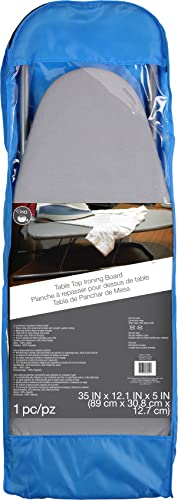

If your sewing area is tucked into a corner of a bedroom or a shared living space, you likely don’t have room for a permanent station. The Dritz Ezy-Press is a classic choice for those who need to transform a kitchen table into a sewing studio in seconds.
Its compact design is perfect for apartments where every square inch counts. Because it sits low to the table, you can easily press blocks without having to reach up, which reduces wrist fatigue during long piecing sessions.
Takeaway: This is an ideal entry-level option for quilters who value portability and don’t need a large surface area for their projects.
Honey-Can-Do Tabletop Board for Easy Storage
Storage is often the biggest hurdle for quilters living in smaller homes. The Honey-Can-Do tabletop board is designed with a foldable frame that allows it to slide behind a door or sit neatly on a closet shelf when not in use.
The simplicity of its design means there are fewer parts to break or wear out over time. It provides a decent surface area for pressing individual squares, though you might find it slightly less rigid than professional-grade boards.
Bottom line: Choose this model if your sewing room doubles as a guest bedroom or home office and needs to be cleared away quickly.
Polder Tabletop Ironing Board With Retractable

Retractable features are a game-changer for those who find traditional ironing board legs cumbersome. The Polder model offers a clever design that allows the legs to tuck away completely, leaving you with a sleek, flat surface that is easy to stash in a drawer.
This is particularly useful if you have a dedicated sewing desk with limited surface area. Being able to retract the legs means you can also use the board as a flat pressing mat on top of a cutting mat, providing versatility for different stages of your project.
Takeaway: If you hate the look of bulky equipment, this board offers a clean, minimalist solution that hides away effectively.
Whitmor Tabletop Ironing Board for Quick Pressing
Iron clothes efficiently with this tabletop board featuring a durable steel mesh top for faster wrinkle removal. Its foldable legs and retractable hook ensure easy storage and stability.
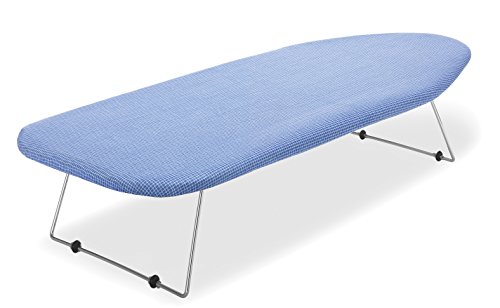
Sometimes you just need to press a quick seam before moving to the next step of your quilt. The Whitmor tabletop board is lightweight and functional, making it a great companion for those who prefer to keep their iron hot and ready right next to their sewing machine.
Because it is so light, it is very easy to move around your workspace as your project evolves. However, keep in mind that its lighter weight may require you to hold the board down with one hand if you are using a heavy steam iron.
Bottom line: This is a budget-friendly, no-frills tool that gets the job done without taking up unnecessary space.
Household Essentials Tabletop Board for Quilters

Quilters often look for boards that offer a bit more surface area than a standard shirt-pressing board. Household Essentials offers models that are wider, providing the extra width needed to press long strips or larger quilt blocks without having to reposition the fabric constantly.
The wider surface also helps prevent "crease lines" that can occur when you have to fold fabric over the edge of a narrow board. For those working on modern quilts with larger geometric shapes, this extra room is a significant advantage.
Takeaway: Invest in a wider board if you find yourself getting frustrated by having to shift your blocks multiple times during the pressing process.
Sunbeam Tabletop Ironing Board for Easy Travel

If you attend quilting retreats or local sewing guilds, you need a board that can handle the commute. The Sunbeam tabletop board is a favorite for its durable construction and manageable size, making it easy to toss into a project bag or the trunk of a car.
It strikes a good balance between weight and stability, ensuring that it won’t collapse during a workshop. While it may not be as large as a home-based station, it provides a consistent, familiar surface wherever you are sewing.
Bottom line: This is the perfect choice for the social quilter who needs a reliable, portable setup for classes and retreats.
Key Features to Consider for Quilting Pressing
When shopping, look for a thick, heat-resistant pad that won’t show the imprint of the board’s metal mesh through your fabric. A smooth cover is essential because textured covers can leave unwanted patterns on your quilt blocks.
Consider the height of the board relative to your chair. You want to be able to press comfortably without hunching your shoulders, which can lead to aches after a few hours of work.
Finally, check the feet of the board for non-slip rubber caps. These are vital for protecting your table surface and keeping the board from sliding while you press.
Why Surface Stability Matters for Piecing Work
In quilting, precision is everything. If your ironing board shifts even a fraction of an inch while you are pressing, your seam allowance can become distorted, leading to blocks that don’t fit together correctly.
A stable surface allows you to use firm, downward pressure, which is necessary to "set" the seams properly. When your board is rock-solid, you can focus on the accuracy of your piecing rather than fighting with your equipment.
Bottom line: A wobbly board is a quilter’s enemy; always test the stability of a board on a hard surface before committing to it.
Maintaining Your Ironing Board Cover Over Time

Over time, your ironing board cover will inevitably collect starch residue and dust. Regularly wiping the cover with a damp cloth can extend its life, but eventually, the padding will compress and lose its bounce.
Consider adding a layer of cotton batting underneath your existing cover to provide extra cushioning and heat reflection. If the cover becomes scorched or stained, don’t hesitate to replace it, as these imperfections can transfer onto your light-colored quilting fabrics.
Bottom line: A well-maintained surface is an inexpensive way to ensure your quilt blocks remain clean and crisp for years to come.
Finding the right mini ironing board is about matching your specific space constraints with the demands of your quilting projects. Whether you prioritize portability for retreats or a wide surface for large blocks, there is a solution that fits your routine perfectly. Remember that a stable, clean surface is a vital partner in creating beautiful, professional-looking quilts.