

7 Best Camping Hammers For Tent Stakes That Last
Tired of bent stakes? Discover our top 7 durable camping hammers designed for reliability. Learn which heavy-duty tools ensure your tent stays put all trip.
There is nothing more frustrating than arriving at a campsite after a long drive only to find your tent stakes won’t penetrate the sun-baked earth. A reliable camping hammer is the unsung hero of your gear kit, turning a tedious chore into a quick, stress-free setup. Investing in the right tool now ensures your shelter stays secure through wind, rain, and years of family adventures.
Snow Peak Pro Hammer: The Gold Standard Choice


If you are a frequent camper who values gear that lasts a lifetime, the Snow Peak Pro Hammer is often the final purchase you will ever need to make. Its heavy, forged steel head provides exceptional striking power, while the integrated hook makes pulling stubborn stakes out of the ground effortless.
This hammer is admittedly an investment, but its build quality justifies the price for those who camp several times a year. It features a replaceable copper head option, which helps absorb shock and reduces the jarring vibration that can tire out your wrists during a long setup.
For families with large, multi-room tents that require dozens of stakes, this tool is a game-changer. It is built to handle heavy-duty steel pegs that would snap a lesser tool in half.
MSR Stake Hammer: Lightweight Yet Extremely Tough
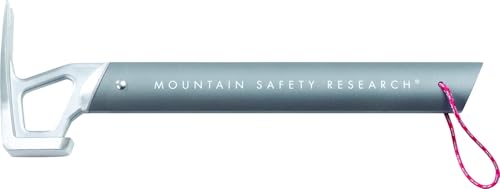
Space is often at a premium in your trunk or rooftop carrier, especially if you are packing for a family of four. The MSR Stake Hammer offers a fantastic balance of weight and performance, making it an ideal choice for those who want to keep their gear load light without sacrificing durability.
This hammer is designed with a sleek, minimalist profile that slides easily into a small gear bag or the side pocket of a backpack. Despite its compact appearance, the head is engineered to drive stakes into hard-packed soil with surprising efficiency.
It is a smart pick for weekend warriors who prioritize mobility and efficiency. You won’t find yourself struggling with a bulky, heavy tool, and the integrated stake puller is a thoughtful touch for quick campsite breakdowns.
Coleman Steel Camp Mallet: Best Budget Essential

Not every camper needs a professional-grade tool to enjoy a weekend in the woods. The Coleman Steel Camp Mallet is the quintessential "keep it in the garage" tool that performs reliably year after year without breaking the bank.
This mallet is straightforward, durable, and gets the job done without any unnecessary bells and whistles. It is perfect for the occasional camper or families who are just starting to build their camping inventory and need to allocate their budget toward other essentials like sleeping bags or stoves.
While it lacks the vibration-dampening tech of high-end hammers, its solid construction is more than sufficient for standard tent stakes. It is a practical, no-nonsense choice that proves you don’t need to overspend to be prepared.
Coghlans Rubber Mallet: Ideal for Soft Ground Use

If your preferred camping spots are mostly grassy meadows or sandy coastal sites, a heavy steel hammer might be overkill. The Coghlans Rubber Mallet provides a gentler touch, preventing you from bending your aluminum stakes when you hit softer, loamy earth.
Rubber mallets are also significantly quieter, which is a major benefit if you are arriving at a busy campground late in the evening. You can secure your tent without waking up the neighbors or creating a loud, rhythmic clanging sound that disrupts the tranquility of nature.
Keep in mind that these are not designed for rocky terrain or frozen ground. If you try to force them into hard soil, the rubber head will eventually wear down or split, so save this tool for softer, forgiving environments.
Gear Aid Tenacious Hammer: Best Multi-Tool Option

For those who live in apartments or small homes where storage space is tight, multi-functional tools are always the superior choice. The Gear Aid Tenacious Hammer combines essential hammering capabilities with integrated features that help you manage your campsite setup more effectively.
This tool is designed for the camper who likes to keep their kit streamlined and efficient. By combining a hammer, a stake puller, and sometimes even a bottle opener or wrench, it eliminates the need to carry multiple loose items in your gear box.
It is a smart, space-saving solution that keeps your camping bin organized and lightweight. While it might not have the raw power of a dedicated heavy-duty mallet, its versatility makes it a standout for general-purpose camping.
Barebones Living Hammer: Rustic Steel Durability

There is something to be said for tools that feel substantial in the hand and look good while doing the work. The Barebones Living Hammer features a classic, rustic design with a heavy-duty steel head and a comfortable wooden handle that offers a natural grip.
This hammer is built for longevity and is a favorite for those who appreciate gear with a timeless aesthetic. The weight distribution is excellent, allowing gravity to do most of the work when you are driving stakes into moderately firm ground.
Because of the wooden handle, you should store this tool in a dry place to prevent the wood from swelling or cracking over time. With basic care, this hammer will develop a nice patina and remain a reliable companion for decades of camping.
Williams 16-Ounce Hammer: Best for Rocky Terrain
Sometimes you end up at a campsite that is little more than a pile of gravel and hard-packed clay. In these situations, a standard rubber or lightweight mallet will simply bounce off the ground, leaving your tent stakes sitting uselessly on the surface.
A traditional 16-ounce claw hammer, like those offered by Williams, provides the concentrated force necessary to drive heavy-duty steel stakes into challenging terrain. The steel face can handle the impact against rocks without deforming, and the claw end is perfect for prying stakes out of deep, stubborn soil.
This is a "pro-tip" choice for seasoned campers who know their destination might be rugged. It may not be specifically marketed as a camping tool, but its performance in harsh conditions is unmatched by most specialized gear.
How to Choose the Right Hammer for Your Soil Type
Choosing a hammer is less about the brand and more about the ground you expect to encounter. If you are a casual camper visiting maintained state parks, you will likely encounter soft grass and soil, making a rubber or lightweight steel mallet perfectly adequate.
If you are a backcountry enthusiast or frequent rocky mountain campsites, you must prioritize head density and durability. A lightweight tool will only lead to frustration and bent stakes in these conditions, so look for a solid steel head that can handle repeated high-impact strikes.
Always consider the weight of the hammer relative to your own strength and the size of your stakes. A hammer that is too heavy will tire you out quickly, while one that is too light will require double the effort to secure your shelter.
Steel vs. Rubber: Which Head Material Is Best?
The choice between steel and rubber comes down to the trade-off between power and material preservation. Steel heads are the workhorses; they are virtually indestructible and provide the force needed to penetrate hard, rocky, or root-filled soil.
Rubber heads, conversely, are designed to protect your gear. They are excellent for driving aluminum or lightweight titanium stakes that might buckle under the force of a steel hammer.
Ultimately, many experienced campers carry a hybrid setup or choose based on their specific stake material. If you use heavy-duty steel rebar stakes, stick with steel; if you use lightweight wire stakes, rubber is your best friend.
Essential Tips for Maintaining Your Camping Hammer
Your camping hammer will last for years if you treat it with basic respect after you get home. After a trip, wipe the head clean of dirt and moisture to prevent rust, especially if you have been camping near the coast or in rainy conditions.
If you have a hammer with a wooden handle, check it periodically for splinters or signs of drying out. A light coat of linseed oil can keep the wood supple and prevent it from becoming brittle over time.
Finally, keep your hammer stored in a dedicated gear bin rather than tossing it loosely in the trunk. This prevents the head from damaging other gear and ensures you always know exactly where it is when it’s time to pack for your next adventure.
Selecting the right camping hammer is about matching your tool to the realities of your typical campsite. Whether you choose a high-end steel mallet for rocky terrain or a simple rubber one for soft grass, the right choice makes every trip easier. Keep your tool clean and dry, and it will be ready to help you set up camp for years to come.
