

7 Best Property Tax Record Notepads for Organization
Stay organized this tax season with our top 7 property tax notepads. Discover durable, efficient tools designed to simplify your record-keeping and filing.
Managing property tax records can feel like a daunting end-of-year chore that piles up on your kitchen counter. Finding the right physical logbook transforms this stressful stack of papers into a manageable, organized system for your home. These seven notebook recommendations offer practical solutions to keep your financial history secure and accessible.
Moleskine Classic Notebook for Tax Log Accuracy
Capture your thoughts with this classic Moleskine notebook, featuring a durable hard cover and ivory ruled pages perfect for any writing tool. Its elastic closure keeps your notes secure, making it ideal for journaling, planning, or everyday use.


If you are the type of homeowner who appreciates a clean, minimalist approach to bookkeeping, the Moleskine Classic is a reliable staple. Its thread-bound construction ensures that pages won’t fall out over time, which is critical when you are tracking tax-deductible home improvements over several years.
The paper quality is consistent, preventing ink bleed-through even if you use a fountain pen or a heavy marker to highlight specific tax codes. Because it is compact, it fits easily into a desk drawer or a small home office bin without taking up precious space.
Keep in mind that the paper is relatively thin, so it isn’t ideal for heavy-duty adhesive attachments. Use this for recording dates, expense descriptions, and reference numbers rather than gluing in bulky receipts.
Leuchtturm1917 Medium A5 for Detailed Records
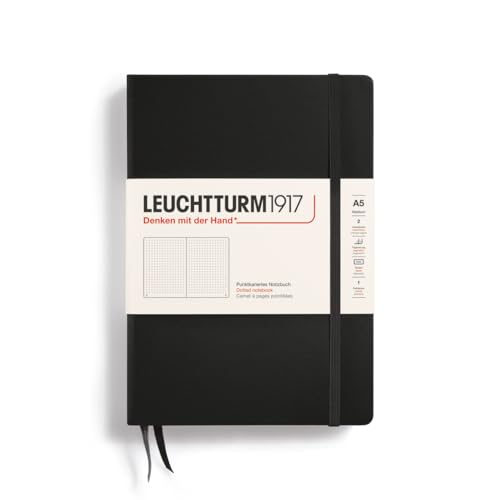
For those who manage multiple properties or complex home renovations, the Leuchtturm1917 offers superior organizational features right out of the box. It comes with a pre-printed table of contents and numbered pages, allowing you to index your tax entries by year or category.
The inclusion of an expandable back pocket is a game-changer for storing small, loose tax receipts that haven’t been filed yet. It acts as a temporary holding zone, ensuring that nothing gets lost between your mailbox and your filing cabinet.
While it is priced higher than a standard spiral notebook, the durability of the hard cover makes it a long-term investment. It is the perfect choice for someone who wants a permanent, archival-quality record of their home’s financial history.
Mead Five Star Advance for Filing Efficiency

If your household is busy and your tax tracking needs to be quick and functional, the Mead Five Star Advance is a practical workhorse. Its movable plastic dividers allow you to section off different types of expenses, such as property taxes, insurance premiums, and maintenance costs, all in one place.
The notebook features a durable plastic cover that resists the occasional coffee spill or accidental desk clutter. This is an excellent choice for families or busy households where the notebook might be moved from the kitchen table to a home office frequently.
The trade-off here is the aesthetic; it lacks the professional look of a leather-bound journal. However, for sheer utility and the ability to reorganize sections as your tax situation changes, it remains a top-tier functional choice.
Rocketbook Core for Digital Tax Documentation
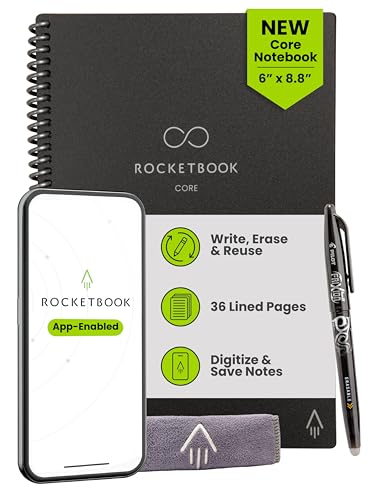
Living in a small apartment means you likely don’t have room for rows of physical filing cabinets. The Rocketbook Core allows you to handwrite your tax notes and then scan them directly to cloud services like Google Drive or Dropbox.
Once you have digitized your entries, you can wipe the pages clean with a damp cloth and reuse the notebook indefinitely. This is a brilliant solution for those who prefer the tactile feel of writing but want the convenience of digital searchability.
Be aware that you must use specific Pilot FriXion pens, which is an additional recurring cost. If you are comfortable with a hybrid digital-physical workflow, this is the most space-efficient method available.
Oxford Spiral Notebook for Categorized Tracking
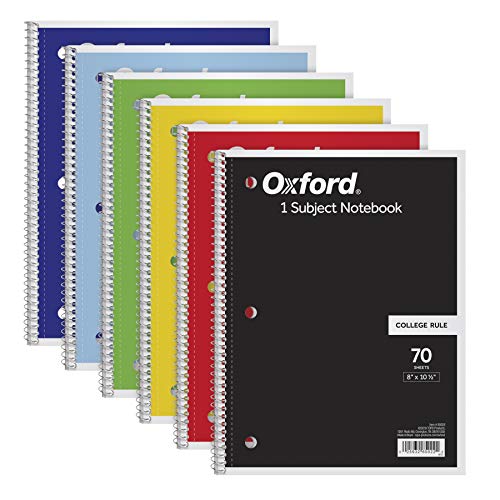
Sometimes, the best tool is the one that is readily available and inexpensive. The Oxford spiral notebook is a no-frills, reliable option for tracking property taxes in a straightforward, chronological log.
Because these are so affordable, you can dedicate one notebook to each tax year without breaking the bank. This makes your annual tax preparation much easier, as you aren’t flipping through five years of data to find one specific receipt.
They are lightweight and flexible, making them easy to stow in a bookshelf or a narrow desk organizer. If you tend to lose things or prefer a "use it and recycle it" approach, this is your best bet.
Rite in the Rain Memo Book for Durability
If your home office is also a construction zone or a workshop where you track renovation costs, you need something tougher than standard paper. The Rite in the Rain memo book is water-resistant and tear-proof, designed to survive harsh conditions.
This is an excellent choice if you frequently track outdoor property maintenance or taxes on a secondary property that requires site visits. You won’t have to worry about humidity or accidental spills ruining your records.
The paper texture feels slightly synthetic, which can be an adjustment if you are used to traditional stationery. However, for sheer peace of mind regarding the longevity of your data, the durability is unmatched.
Rhodia Webnotebook for Premium Record Keeping

The Rhodia Webnotebook is for the homeowner who finds satisfaction in a high-quality writing experience. With its smooth, heavy-weight paper, it is a pleasure to use when sitting down to reconcile your end-of-year tax statements.
The elegant, sturdy cover protects your records from wear and tear, ensuring the notebook stays in good shape even after years of shelf storage. It provides a sense of permanence that makes the chore of tax documentation feel a bit more rewarding.
It is definitely a premium purchase, so it is best suited for someone who plans to keep their records in a dedicated, permanent archive. It is less about "quick notes" and more about creating a beautiful, lasting ledger of your home expenses.
How to Organize Your Property Tax Receipts
The secret to organized taxes is establishing a "landing zone" for your receipts the moment they enter your home. Whether it is a dedicated accordion folder or a simple envelope, keep all tax-related documents in one place to prevent them from scattering.
Once a month, take ten minutes to record the data from these receipts into your chosen notebook. This prevents the overwhelming pile-up that happens in April and ensures you have a clear, chronological narrative of your spending.
Always note the date, the amount, and the purpose of the expense clearly. If the receipt is thermal paper, remember that it will fade; taking a quick photo or a photocopy is a smart safety measure for long-term storage.
Best Methods for Categorizing Annual Expenses
Categorization should be simple enough that you actually stick to it, rather than overly complex. Start with broad buckets like "Property Taxes," "Home Improvements," "Insurance," and "Maintenance Repairs."
If you own a rental property, keep those expenses strictly separated from your primary residence records. Using a different colored notebook or a distinct tab in your binder can help prevent accidental cross-contamination of tax files.
Be consistent with your naming conventions throughout the year. If you label a repair as "Plumbing" in January, don’t label it "Kitchen Fix" in June; consistency makes your tax filing much faster when the deadline approaches.
Essential Tips for Long-Term Tax Record Storage
Most tax authorities suggest keeping records for three to seven years, so your storage solution needs to be climate-controlled. Avoid storing your notebooks in damp basements or hot attics, as moisture and extreme heat will degrade paper and ink over time.
Label the spine of every notebook with the tax year and the property address if applicable. This allows you to pull the exact record you need without having to open and check every single volume on your shelf.
Finally, consider keeping a digital backup of your most important summaries. Even if you love your physical notebooks, having a scanned copy of your annual totals provides a vital safety net in case of fire, flood, or accidental loss.
Choosing the right notebook is a personal decision that balances your budget, your available storage space, and your preferred organizational style. By settling on a system that is easy to maintain, you remove the friction that makes tax season so stressful. Pick a method that works for your specific home environment and stick with it for a more organized financial year.

